Fury returns in 2026: possible rematch with Usyk and what it means for Ukrainian boxing
Tyson Fury has officially announced the end of his hiatus following his defeats to Oleksandr Usyk. This is not merely a sporting sensation — the potential bout carries significance for the prestige of the Ukrainian boxer and the image of Ukrainian sport worldwide.

By Tetiana Suchkova-Ladik
January 5, 2026 · 2 min read
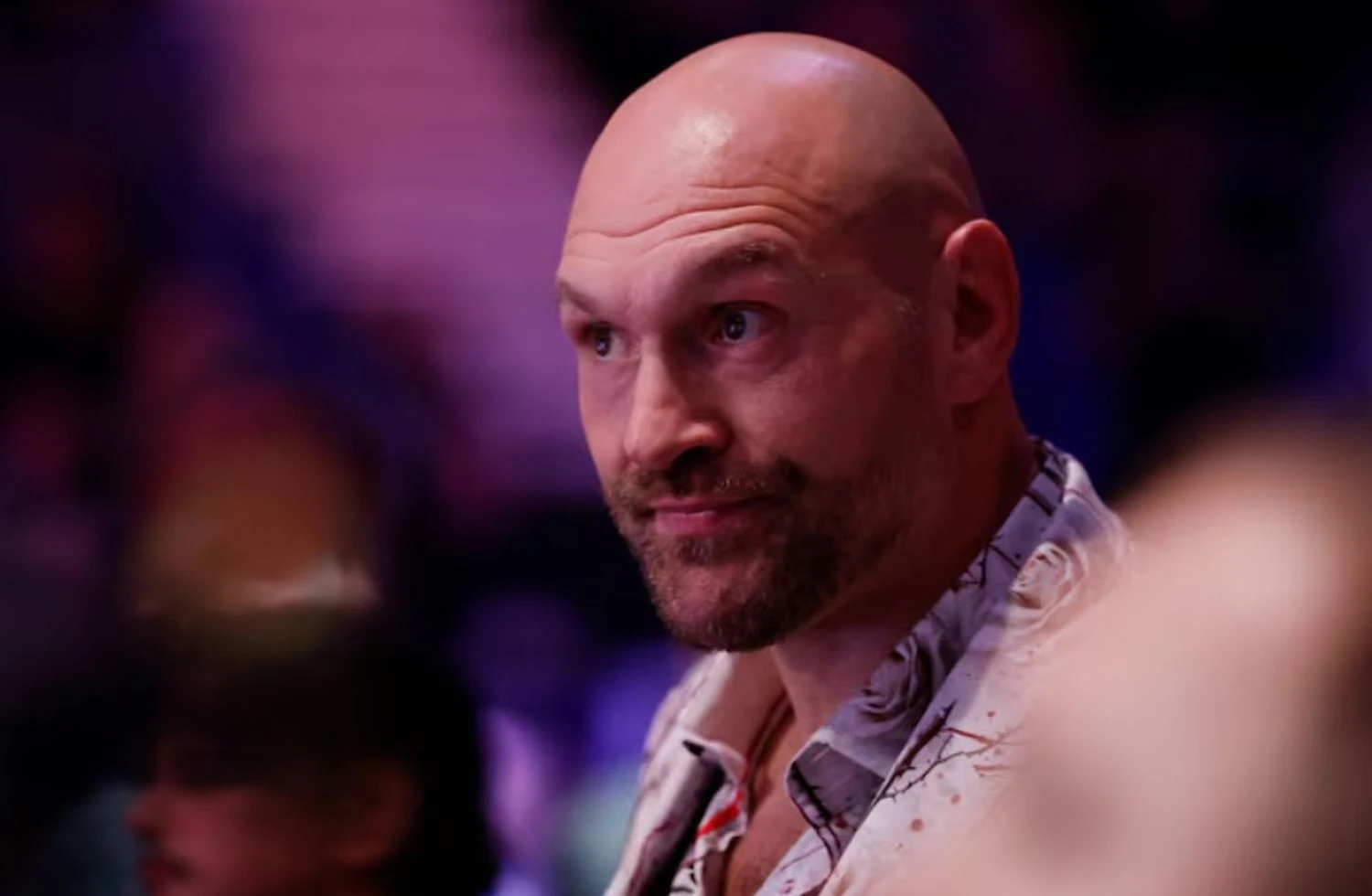
In big‑league boxing, decisions are made not only in the ring — they carry consequences for reputation, money and national prestige. According to Reuters and UNN, Tyson Fury has confirmed he will return to professional fights in 2026 after a one‑year break prompted by defeats to Oleksandr Usyk in 2024 and early 2025.
"2026 is the year. Mac's return. I was away for a while, but now I'm back, I'm 37 and I can still hit. There's nothing better than punching people in the face and getting paid for it."
— Tyson Fury, Instagram post (quoted by Reuters/UNN)
What is known
Fury, 37, has a career record of 34 wins, two losses and one draw. His recent defeats — to Oleksandr Usyk — have called the Briton's dominance in the heavyweight division into question. The comeback will begin after a year‑long pause; there are no official announcements yet on a date or an opponent.
Why this matters for Usyk and Ukraine
Fury's losses to Usyk have made the Ukrainian the focal point of world boxing attention. According to The Ring, Usyk holds the #1 spot in the overall pound‑for‑pound (P4P) rankings, boosting his influence as an ambassador for Ukrainian sport. A third fight with Fury is not just a sporting rematch; it is also a geocultural marker: a big stage, heavy media attention, and an opportunity to confirm Usyk's status as one of the best boxers on the planet.
Potential opponents: Joshua or Usyk?
Anthony Joshua is named as the leading candidate to face Fury — his public calls and a recent knockout of Jake Paul have raised public and promoter interest. At the same time, boxing circles are actively discussing a third meeting with Usyk; the press has floated April 18, 2026 at Wembley as a possible date, but there are no official confirmations from the fighters' teams. Additionally, Joshua's preparation could be complicated by a recent car crash in Nigeria — details are still emerging, according to specialist outlets.
The economic and media side
Such a bout is big business: tickets, broadcasts, sponsorships. Sports analysts note that commercial interest often determines whether a fight happens, sometimes more than sporting logic. For the Ukrainian side, this is a chance to turn a sporting victory into a long‑term media advantage and to bolster the country's image on the international stage.
What next?
For now we have Fury's official announcement of his intent to return and a number of press reports about potential opponents. The likelihood of a third fight with Usyk will depend on agreements between promoters, scheduling and, of course, audience interest. For Ukraine this is another important marker: can the country turn international attention into a strong narrative about producing world‑class champions?
Analytical forecast: the coming months will be about negotiations and shaping fight cards. A question to readers and the sporting community: are we ready to use the opportunity that international attention provides to strengthen Ukrainian boxing not only in the ring, but beyond it?