Geraskevich and CAS: Disqualification over the "Memory Helmet" Raises Questions About IOC Policy
This dispute is not about one athlete's kit, but about the boundaries of memory, the politicization of sport, and an athlete's rights. A hearing at the CAS could set a precedent for all Ukrainian athletes at the 2026 Olympics.

By Tetiana Suchkova-Ladik
February 13, 2026 · 2 min read
What it's about
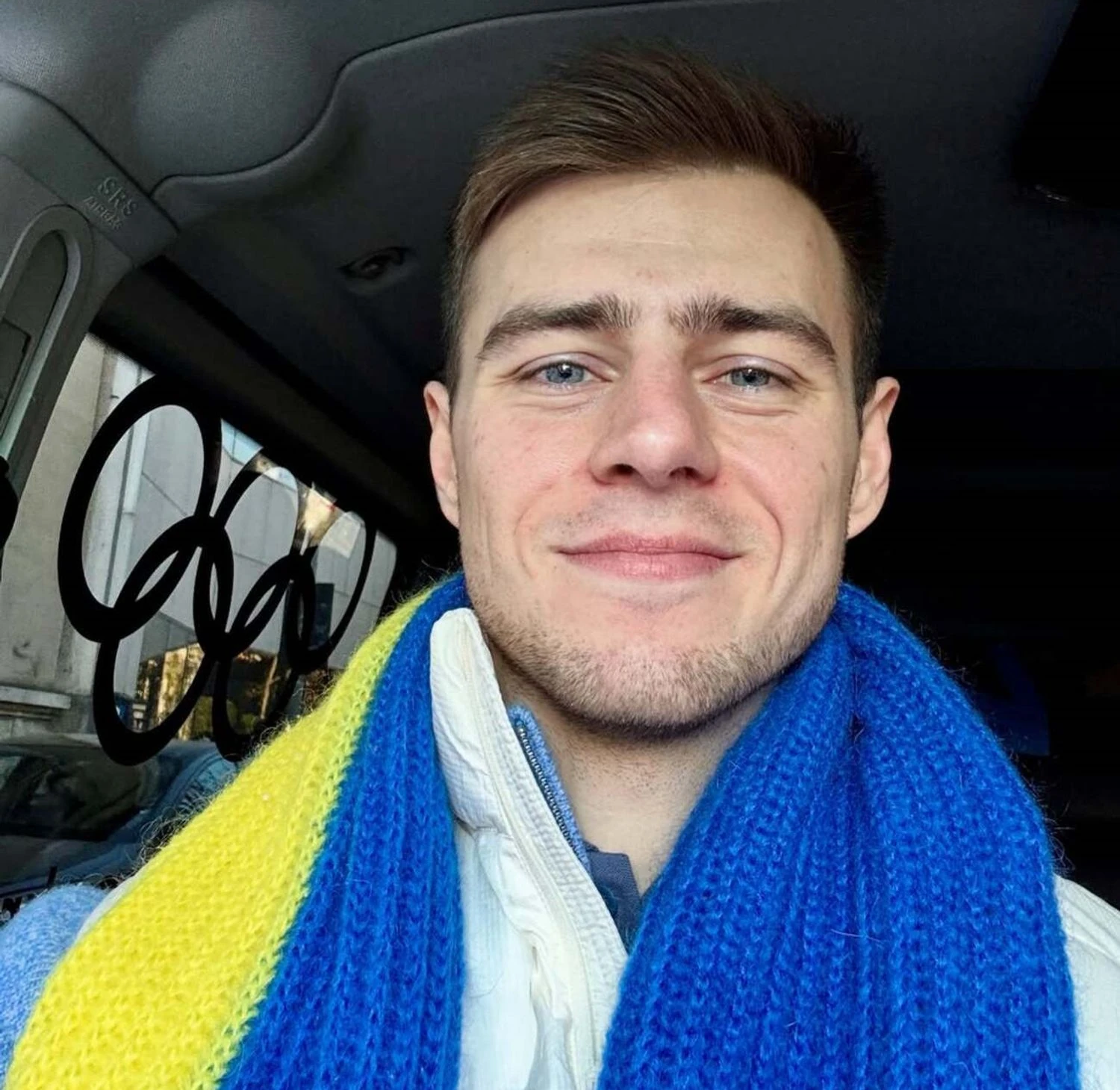
Ukrainian skeleton racer Vladyslav Heraskevych reported on Instagram that a hearing at the Court of Arbitration for Sport (CAS) regarding his disqualification at the 2026 Olympics will begin very soon. Heraskevych stresses that he did not break IOC rules and considers the decision to suspend him unjust. The athlete's post was reported by UNN.
“The fight for the truth continues. In a few minutes the hearing at the Court of Arbitration for Sport (CAS) will begin. I am confident that I did not violate IOC rules, so I consider my disqualification completely unjustified. I see all your support — and it inspires me boundlessly.”
— Vladyslav Heraskevych, skeleton racer (Instagram, via UNN)
Context and reasons for the dispute
The IOC disqualified Heraskevych before the first run because the athlete intended to take to the start wearing a “helmet of remembrance” — as a sign of respect for fallen Ukrainian athletes and all our Heroes. The dispute touches on a rule that limits political or expressive declarations at official starts, but nuances are important in assessing the situation: is this a form of protest, or a personal act of commemoration?
Reaction of official institutions
Head of the Ministry of Foreign Affairs Andrii Sybiha sharply condemned the IOC decision, calling it a “shameful moment” and a betrayal of the principles of the Olympic Charter. Such a reaction amplifies the political dimension of the conflict and adds diplomatic pressure to the CAS process.
Why this matters for Ukraine and for sport in general
The case should be viewed not only as an individual appeal. The CAS decision could define the limits of what is permitted in expressing national remembrance during international competitions, affect athletes’ rights and the interpretation of IOC rules (in particular those on political expressions). Sports law experts note that CAS precedent decisions shape future practice in applying rules and influence the balance between the neutrality of the Games and the right to commemorate.
What to expect next
The CAS hearing is swift but only one stage. Two basic scenarios are possible: CAS overturns the disqualification and allows Heraskevych to compete, or it upholds the IOC decision — in which case the precedent would strengthen a stricter interpretation of bans on political or memorial symbols during the Games. In any event, the ruling will affect diplomatic relations around sporting events and the morale of the Ukrainian community, which sees this case as a matter of dignity.
Summary
This is not only a dispute between an athlete and an institution — it is a test for international sporting bodies: where is the line between Olympic neutrality and the right to human remembrance. The next step is the CAS decision; its reasoning will determine far more than the participation of a single athlete.