Heraskevych: IOC disqualified not me, but Ukraine — what this means for sport and the country's image
Skeleton racer Vladyslav Heraskevych is contesting a disqualification over the "memory helmet." This is more than an individual case — it's about symbolism, precedent, and the prospect of an appeal to the Court of Arbitration for Sport (CAS).

By Tetiana Suchkova-Ladik
February 13, 2026 · 2 min read
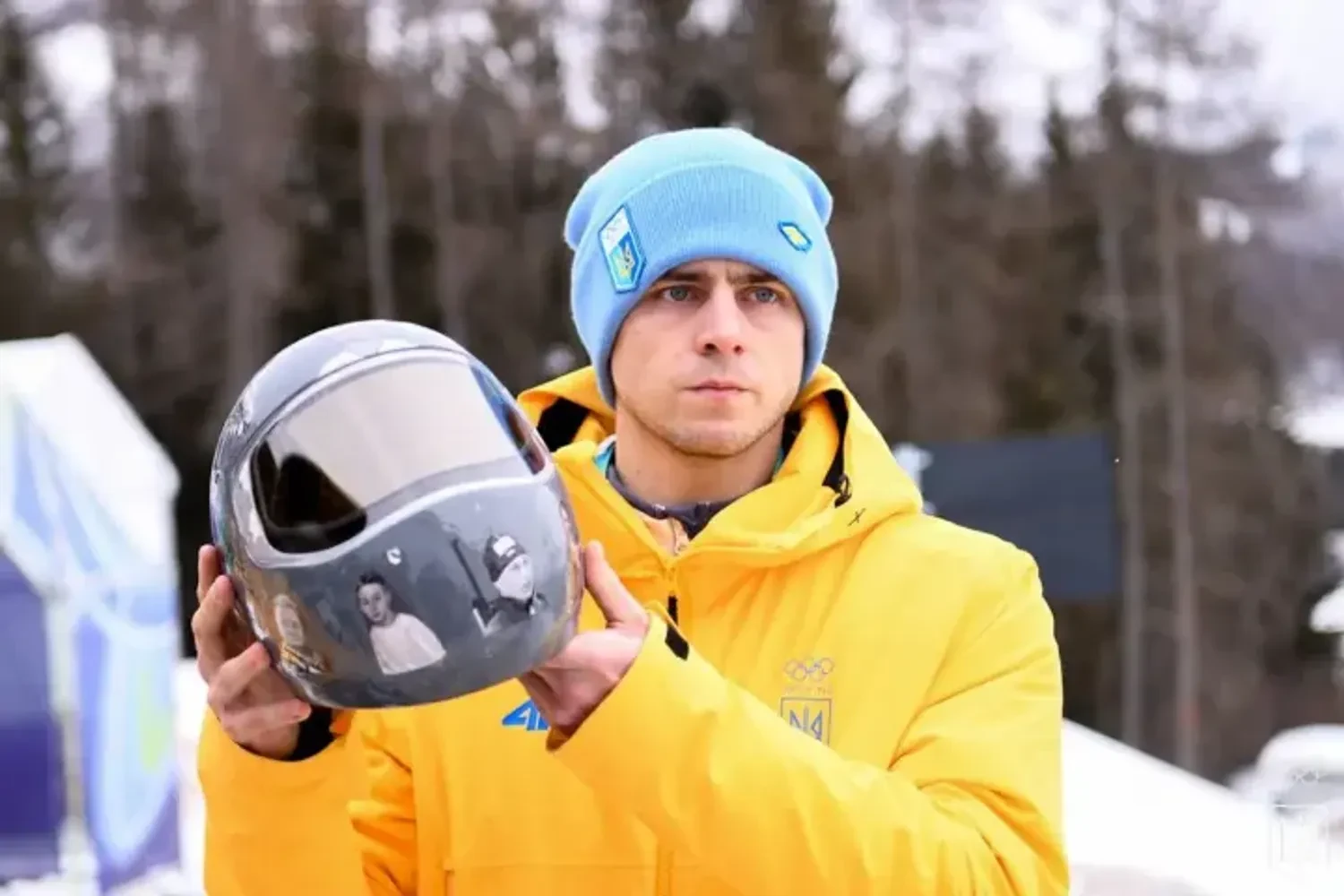
Athlete's stance
Ukrainian skeleton racer Vladyslav Heraskevych, after the appeal hearing regarding his disqualification, said the International Olympic Committee's decision has a broader impact: in his view, the disqualification is a blow to national dignity, not just to one person's career. The athlete's comment was reported by UNN.
"I'm not here today because they stripped me of medals, not because they deprived me of the opportunity to compete. I'm here because I respect these athletes. I believe they had the right to be on that helmet. I believe this is not a violation. And I believe the IOC's actions were discriminatory. They didn't suspend me, they suspended Ukraine."
— Vladyslav Heraskevych, skeleton racer
Reason for disqualification
According to the IOC's decision, Heraskevych was suspended before the first run at the 2026 Olympics because he intended to start in a "memory helmet" — a symbol honoring fallen Ukrainian athletes and soldiers. The organizers drew the line given the rules on neutrality of symbolism in the competition arena.
What happened in court and next steps
The procedure against the IOC and IBSF concluded on 13 February in an expedited format. Heraskevych himself told journalists he will appeal the decision to the Court of Arbitration for Sport (CAS). CAS is the key venue for determining whether the IOC's actions involved procedural violations or discrimination.
Why this matters for Ukraine
This story goes beyond a personal case: it touches on three dimensions. First, symbolism — as an expression of national memory — increasingly intersects with sporting regulations. Second, the precedent will determine how strictly international bodies interpret neutrality rules during wartime. Third, there is an image effect: the decision will resonate among athletes, federations, and the patriotic public.
Experts in international sports law point to the potential weight of the precedent: if CAS finds the IOC's actions lawful, that will support a stricter interpretation of the rules; if CAS sides with the athlete, reviews of approaches to symbolism and clearer exceptions in the rules can be expected.
Summary
This is not just about one helmet — it's about balancing the rules of international sport and the right to national remembrance during wartime. Now it's up to CAS: will Heraskevych's appeal become a legal precedent that changes how international bodies handle similar cases?