Heraskevych appeals disqualification to the CAS — a swift case testing the limits of sporting memory
A Ukrainian skeleton racer has filed an emergency appeal: a hearing at the Court of Arbitration for Sport (CAS) could take place within 24 hours. This is not just about one start — it is a test of the IOC’s rules and an athlete’s right to honor the fallen.

By Tetiana Suchkova-Ladik
February 12, 2026 · 2 min read
What happened
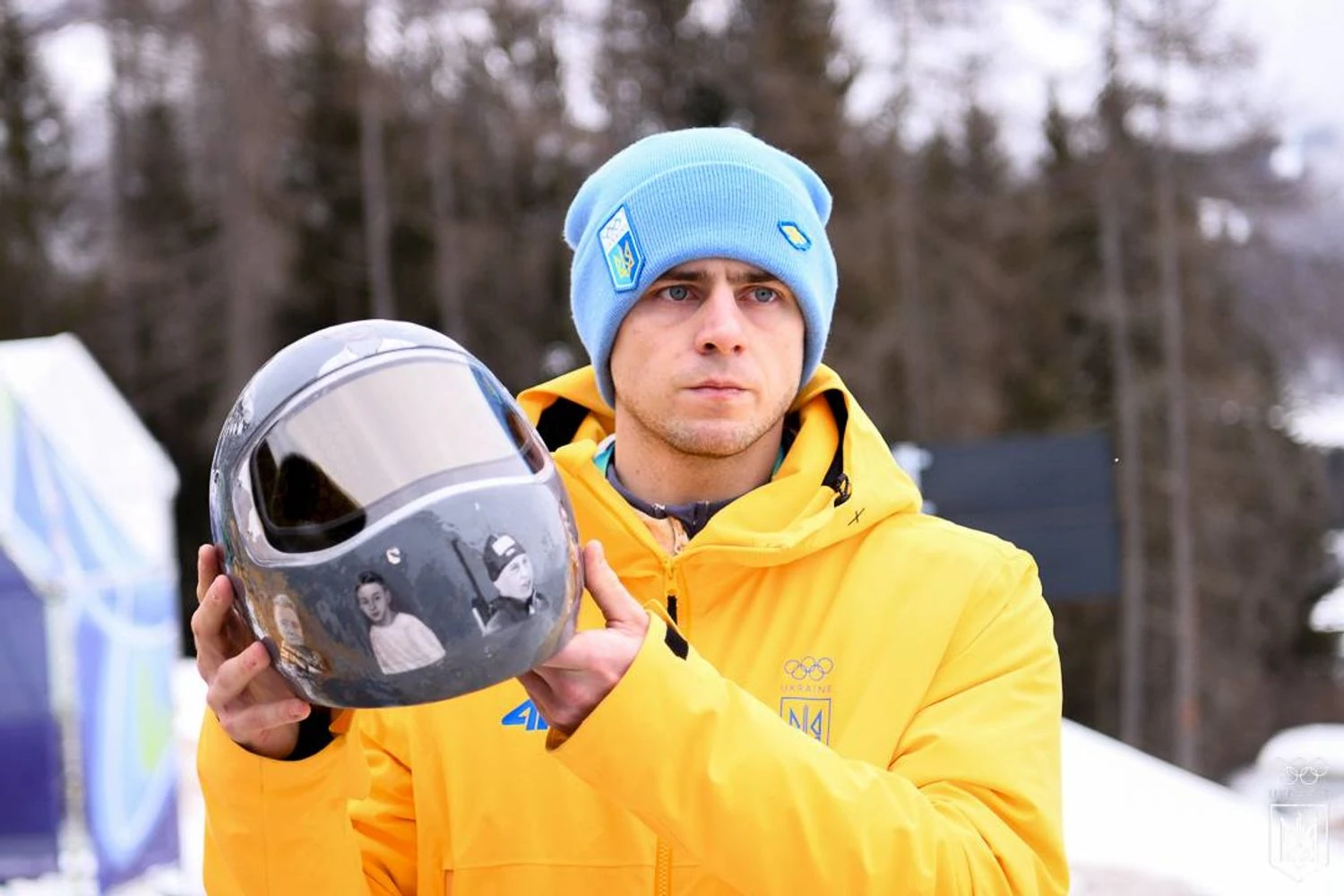
Ukrainian athlete Vladyslav Heraskevych has appealed his disqualification at the Olympics and filed an appeal with the Court of Arbitration for Sport (CAS). According to his lawyer Yevhen Pronin, the appeal was submitted under a special expedited procedure, a CAS panel is currently operating in Milan, and the hearing could take place within 24 hours. The lawyer's statement was distributed by UNN.
Why it matters
The disqualification occurred before the first skeleton run. Heraskevych was due to start wearing the so‑called "memory helmet" — as a sign of respect for fallen Ukrainian athletes and our Heroes. The IOC's decision affects more than an individual performance: it raises questions about the limits of permitted symbolism on the international stage and about the weight of uniformity rules compared with an athlete's right to public commemoration.
"Feeling a profound legal, sporting and historical injustice, and in agreement with Vladyslav and in his interest I filed an appeal under the special expedited procedure for challenging decisions during the Olympic Games — the procedure for cases at the Court of Arbitration for Sport (CAS), which can be heard within 24 hours"
— Yevhen Pronin, Heraskevych's lawyer
The athlete himself publicly described the disqualification as "a price of dignity." This phrasing emphasizes that for him the matter is not only competitive but also moral and commemorative in nature.
Context and consequences
An expedited CAS hearing could set a precedent: if the appeal is upheld, it would strengthen the position of athletes who seek to publicly honor the dead in ways that do not contradict the essence of competition. If denied, the IOC would reinforce its priorities regarding uniformity and symbolism during the Games. For Ukraine the issue carries additional symbolic weight: it is about the right to express national remembrance even at international events.
"We expect an expedited consideration of the case and hope for a lawful, fair and reasoned decision. Vladyslav deserves a chance to participate in these Olympic Games"
— Yevhen Pronin, Heraskevych's lawyer
Now the ball is in CAS's court: whether the tribunal will manage to hear the appeal on an expedited basis, and whether its decision will signal how future disputes between athletes' right to self‑expression and IOC regulations are resolved. The question is both legal and symbolic — and the answer will affect not only one athlete but the tone of rules in elite sport.