Heraskevych vs. the IOC and IBSF: expedited hearing ends — arbitrator’s decision could set a precedent for remembrance in sport
The expedited judicial procedure is over: lawyers have presented their arguments, and now the CAS arbitrator has the floor. This is not just about one athlete — it's a test of the rules that govern what may be honored on the international stage.

By Tetiana Suchkova-Ladik
February 13, 2026 · 2 min read
Briefly
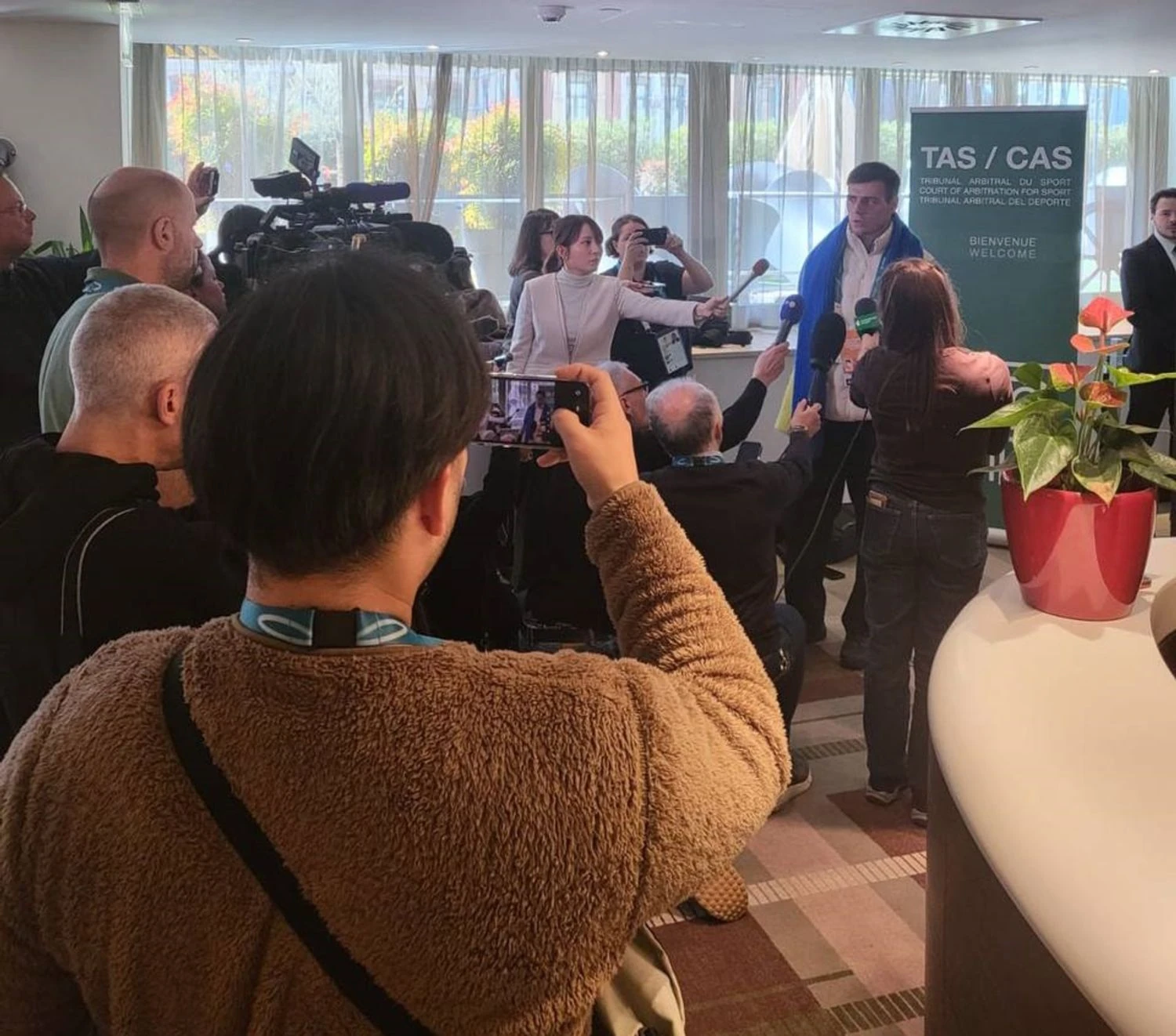
A fast legal procedure in the case of Ukrainian skeleton racer Vladyslav Heraskevych against the International Olympic Committee (IOC) and the International Bobsleigh and Skeleton Federation (IBSF) has concluded. Lawyer Yevhen Pronin reported on Telegram that the hearing lasted about two and a half hours — written and oral arguments have been fully presented. Now the decision rests with the arbitrator. UNN reports.
Legal substance and the parties' positions
Heraskevych was disqualified before his first run at the 2026 Olympics because the athlete took the start wearing the so‑called “memory helmet” — a symbol honoring fallen Ukrainian athletes and Heroes. The athlete himself and his defense argue that IOC rules were not violated and that the disqualification is unlawful.
“We set out the entire legal argument in full, both in writing and orally. Vladyslav devoted to this process all the energy he should have given on the sporting arena, but he was deprived of that right. The next word belongs to the arbitrator. We await the decision.”
— Yevhen Pronin, lawyer and advocate
Reaction in Ukraine and international statements
Official Ukrainian figures reacted sharply. Foreign Minister Andriy Sybiha called the decision shameful and contrary to the spirit of the Olympic Code. President Volodymyr Zelensky described the disqualification as “horrible from a moral point of view.” Head of the Office of the President Kyrylo Budanov thanked the athlete for his principled stance, emphasizing that sport should not be above conscience and dignity. Speaker of the Verkhovna Rada Ruslan Stefanchuk, according to MP Yaroslav Zheleznyak, suggested inviting Heraskevych to parliament.
“Rules are a priority, despite the importance of messages of remembrance.”
— Kirsty Coventry, IOC President
Why it matters
This case is more than an individual disciplinary episode. It raises the question of the balance between the universal safety rules and the Olympic movement’s policy of neutrality and an athlete’s right to express remembrance and conscience. A CAS ruling could set a precedent: either confirm a strict interpretation of the rules or open the door to a more flexible approach to symbols of remembrance.
What’s next
Heraskevych has already announced his intention to appeal to the Court of Arbitration for Sport (CAS). The timing of a ruling is unknown — the arbitrator may issue a decision quickly or with delay. The consequences will be practical: from immediate changes in regulations to political debates about the role of sport in times of war.
Conclusion
This story combines law, morality and international institutions. The wait for a CAS decision is a moment when declarations about neutrality and respect for memory must receive a concrete legal interpretation. Will international organizations have the sensitivity and clarity to resolve this conflict without undermining trust in sporting rules? The answer will show where the balance between rule and conscience stands on the international stage.