Heraskevych in the Verkhovna Rada after IOC disqualification: "Memory Helmet" as a test for international sport
Ukrainian skeleton racer Vladyslav Heraskevych was disqualified before the start of the 2026 Olympics over a helmet commemorating the fallen. Afterward he was offered a seat in the session hall — why this incident is more important than it seems.

By Tetiana Suchkova-Ladik
February 13, 2026 · 2 min read
What happened and why it matters
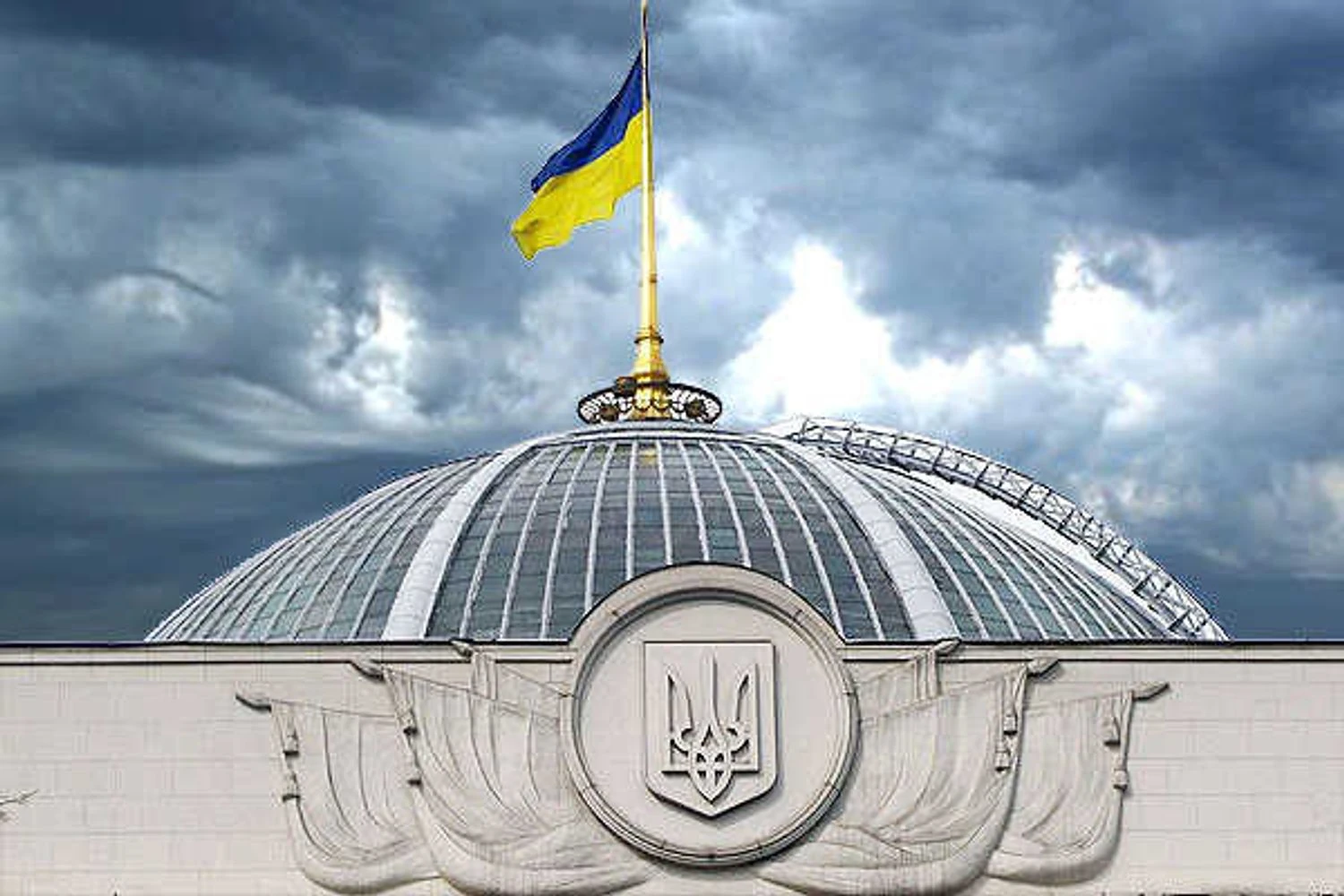
According to UNN, Member of Parliament Yaroslav Zheleznyak relayed words from the parliament speaker Ruslan Stefanchuk: after Vladyslav Heraskevych returns to Ukraine “he will be welcome in the plenary hall of the Verkhovna Rada.” This is a response to the International Olympic Committee’s (IOC) decision to disqualify the athlete before the first run of the 2026 Olympics.
The IOC justified the disqualification by saying that Heraskevych intended to start wearing a “helmet of remembrance” — a symbol honoring fallen Ukrainian athletes and soldiers. The decision provoked a number of official reactions in Ukraine and international commentary about prioritizing rules over messages of remembrance.
What key figures say
“After his return we will be glad to see Vladyslav Heraskevych in the plenary hall of the Verkhovna Rada of Ukraine”
— Ruslan Stefanchuk, Speaker of the Verkhovna Rada (quote cited by MP Yaroslav Zheleznyak)
The athlete himself said he will appeal the disqualification to the Court of Arbitration for Sport (CAS) — an institution that effectively sets precedents in sports law. Heraskevych insists he did not violate IOC rules.
“This decision is a shameful moment and a betrayal of the Olympic Code”
— Andriy Sybiha, Minister of Foreign Affairs of Ukraine
President of Ukraine Volodymyr Zelensky described the IOC decision as “horrible from a moral standpoint,” and the heads of defense and intelligence agencies noted the athlete’s principled stance. On the other hand, IOC President Kirsty Coventry stressed that “rules are the priority,” even when it comes to important messages of remembrance.
Context and possible consequences
This incident concentrates several questions at once: how international sporting institutions interpret symbols of remembrance, where the line is between politics and commemoration, and what protection mechanisms an athlete has when norms are interpreted more strictly than expected.
First, CAS is now not just a technical step but a political and legal precedent. The arbitration ruling could influence which symbols will be permitted at international competitions in the future.
Second, the invitation to the Rada has an obvious symbolic function: the state is showing support for athletes who choose to honor the memory of Ukrainians. It is also a signal to partners and domestic audiences that matters of honor and remembrance are on the national agenda.
What’s next
The coming weeks will determine the trajectory: hearings at CAS, possible additional statements from the IOC, and the positioning of state institutions. For Ukraine, this case is another test of its ability to project its values on the international stage, where formal rules often clash with the moral expectations of society.
“Sport can remain outside politics, but never outside conscience, honor and dignity”
— Kyrylo Budanov, Head of the Presidential Office (quote assessing the athlete’s act)
The question for international sport and for Ukraine’s partners is whether the global institution can accept that, for us, this is a matter of remembrance, or whether it will continue to place rules above symbolic truth. The answer will affect not only the career of one athlete but also the framework within which Ukrainian athletes will operate in the coming years.