Hutsulyak returns to Polissya: club's decision a move to benefit the national team
Ukraine's top scorer in 2025 has returned to training with the first team — the president of Polissia explains how the decision affects the chances of qualifying for the World Cup.
By Oleg Bazylewicz
January 19, 2026 · 2 min read
Return in the context of qualifying
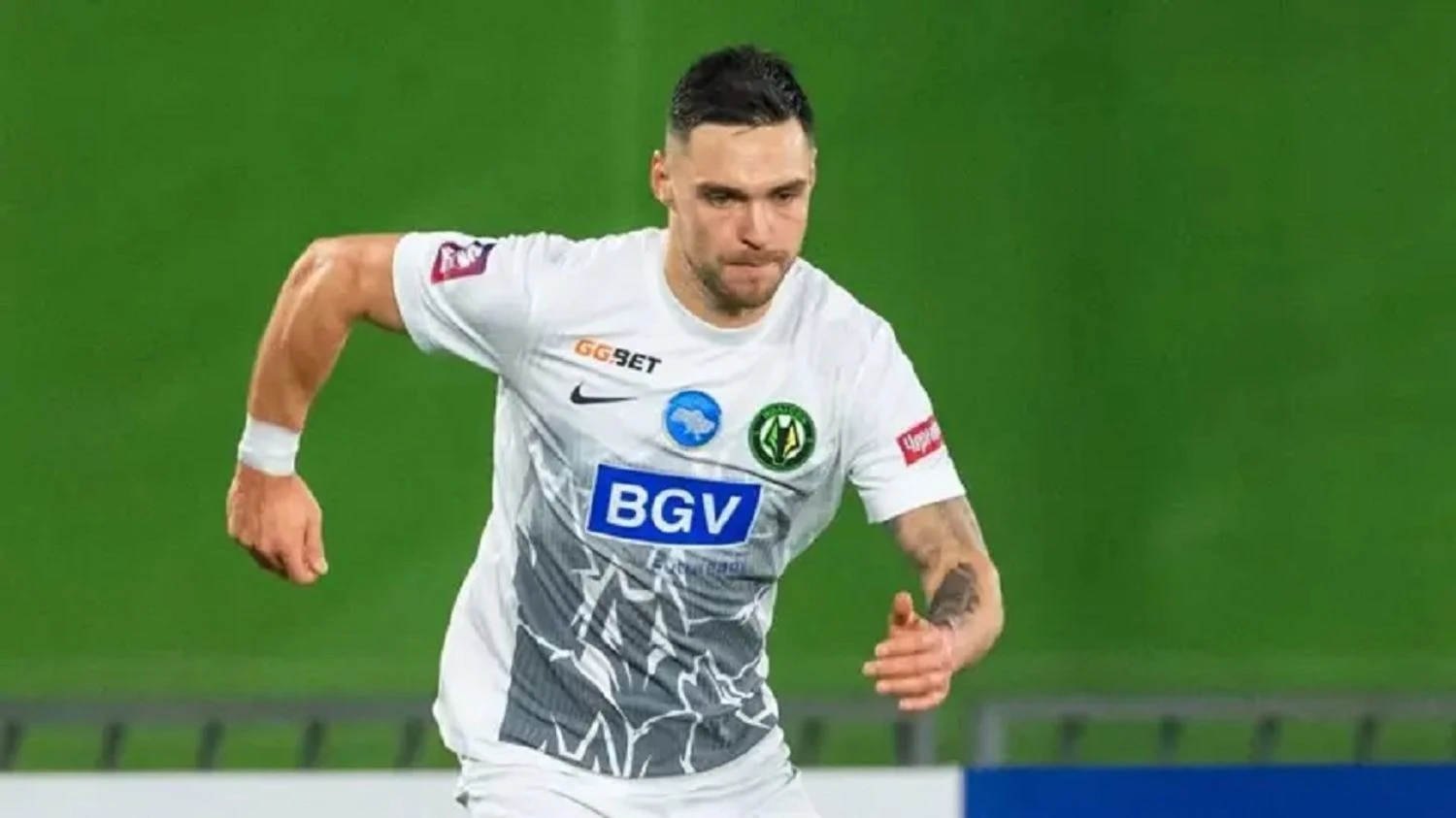
According to the official site of Zhytomyr’s Polissya and UNN, forward Oleksiy Hutsulyak — the Ukraine national team’s top scorer in 2025 — is training with the first team again. This decision, according to the club president, has a clear strategic purpose: to prepare the player for a potential call-up to the national team for the March World Cup qualifying matches.
Why the club made this decision
President Hennadiy Butkevych openly links the player’s return to the national team’s interest. Butkevych says he spoke with the national team coach Serhiy Rebrov, who intends to take Hutsulyak’s form into account when selecting the squad. This is a classic example of a club adjusting internal decisions to external national priorities: the team is closing ranks to strengthen Ukraine’s chances in an important stretch of qualifying.
I decided that Oleksiy should join Polissya’s training camp in Spain. He performs well for the Ukraine national team, and we all understand the important task the country now faces — to make it to the World Cup. I spoke with Serhiy Rebrov, and he said he will consider Hutsulyak’s form. If Oleksiy is in good shape, he could receive a call-up for the March matches. So right now the best decision is to work and prepare together with the team.
What happened at the club: contracts and discipline
Alongside the return to training, the club took personnel steps: defender Serhiy Chobotenko and winger Oleksiy Hutsulyak were temporarily moved to the U-19 team. Polissya explains this by saying the players refused to renew contracts that expire in the summer.
The club claims it offered new contracts with revised salaries, a bonus system, and a clear vision of the players’ roles for several seasons ahead. At the same time, according to Butkevych, a request appeared for a larger sum, “that did not correspond to reality,” and such demands are most often voiced by players’ agents. In the end, the club chose to prioritize the balance of finances and the atmosphere in the dressing room.
Consequences for the national team and the club
Polissya’s decision is a compromise between the club’s and the state’s interests. For the national team, it is a chance to get a player in optimal form; for the club, it is a way to protect team chemistry and financial discipline. Football managers often stress that preparing a player for national tasks is better done systematically rather than episodically — and here Polissya chose that approach.
In brief: Hutsulyak returns to the first team to increase his chances of a national team call-up. At the same time, the club maintains its stance on contracts — a pragmatic approach intended to protect collective interests.
What’s next?
If Hutsulyak confirms his form at the Spain camp, Rebrov may consider him for the March qualifying matches. Another question is whether this move will signal to other clubs: will more club owners adjust personnel decisions to the national team’s requests at critical moments of qualifying? The answer will affect both the transfer market and the tactics for preparing for important international matches.
Sources: Polissya official website, UNN.