IPC allowed Russians and Belarusians to compete under national flags at the 2026 Paralympics — what this means for Ukraine
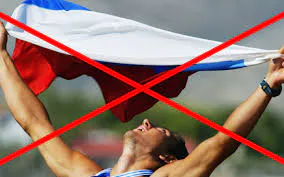
According to Sky News, the International Paralympic Committee has allocated 6 quotas to Russia and 4 to Belarus for the Paralympics in Milan–Cortina. The decision raises questions about the limits of sporting legitimization of an aggressor state and about Ukraine’s next steps on the diplomatic stage.

By Tetiana Suchkova-Ladik
February 17, 2026 · 2 min read
IPC decision: the facts in one paragraph
According to Sky News, the International Paralympic Committee (IPC) has allowed six athletes from Russia and four from Belarus to compete under their national flags at the 2026 Paralympics in Milan‑Cortina. The return of the flags follows a ban of more than three years, imposed after Russia’s full‑scale invasion of Ukraine in 2022.
Quotas by sport
- Russia — 6 slots: 2 in Paralympic alpine skiing (1 man, 1 woman), 2 in cross‑country skiing (1 man, 1 woman), 2 in Paralympic snowboarding (both male).
- Belarus — 4 slots: all in cross‑country skiing (1 man, 3 women).
The Russian Paralympic Committee already names three‑time gold medalist in alpine skiing Oleksiy Bugayev among potential participants.
"Athletes will be treated the same as athletes from any other country"
— International Paralympic Committee (IPC)
Why this matters for Ukraine
The IPC decision has not only a sporting but also a political dimension. Restoring national flags for representatives of the aggressor state removes part of the symbolic isolation — and that symbolism will be used in propaganda. At the same time, it creates a precedent for other international organizations that are weighing the balance between sporting inclusivity and accountability for violations of international law.
Experts in international law and sports diplomacy note: if the return of athletes is not accompanied by clear guarantees of transparency and a refusal of state use of sport for political purposes, the decision will carry more symbolic than ethical weight. Sky News and the IPC are authoritative sources, but the reaction of national committees, sponsors and partner states is important.
What Ukraine can do
Ukraine has several tools of response: diplomatic notes, public statements in international forums, work with federations and sponsors, and demands to the IPC for transparent selection criteria and independent oversight. This is not a matter of emotion — it is a matter of a systematic response to a normalization that could weaken the sanctions and moral pressure on the aggressor.
Now the move is up to the partners: will they turn these quotas into an incentive for better control and conditional reintegration, or will the IPC decision become another element of informational legitimization? The answer depends on how quickly and firmly international institutions and states react.
"This is not the end of isolation, but it is a test for the mechanisms that must protect the integrity of sport from political manipulation"
— expert in international sports law (analysts' comment)