Italy 2026: von Allmen and Karlsson open the medal count — markers of dominance in winter disciplines
The first sets of medals at the XXV Winter Games in Italy confirmed the trends: Switzerland is dominating the downhill speed events, while Sweden shows remarkable depth in skiing. A brief look at the facts, their significance for the tournament, and what to expect next.

By Tetiana Suchkova-Ladik
February 7, 2026 · 2 min read
Start of the Games: facts you should know
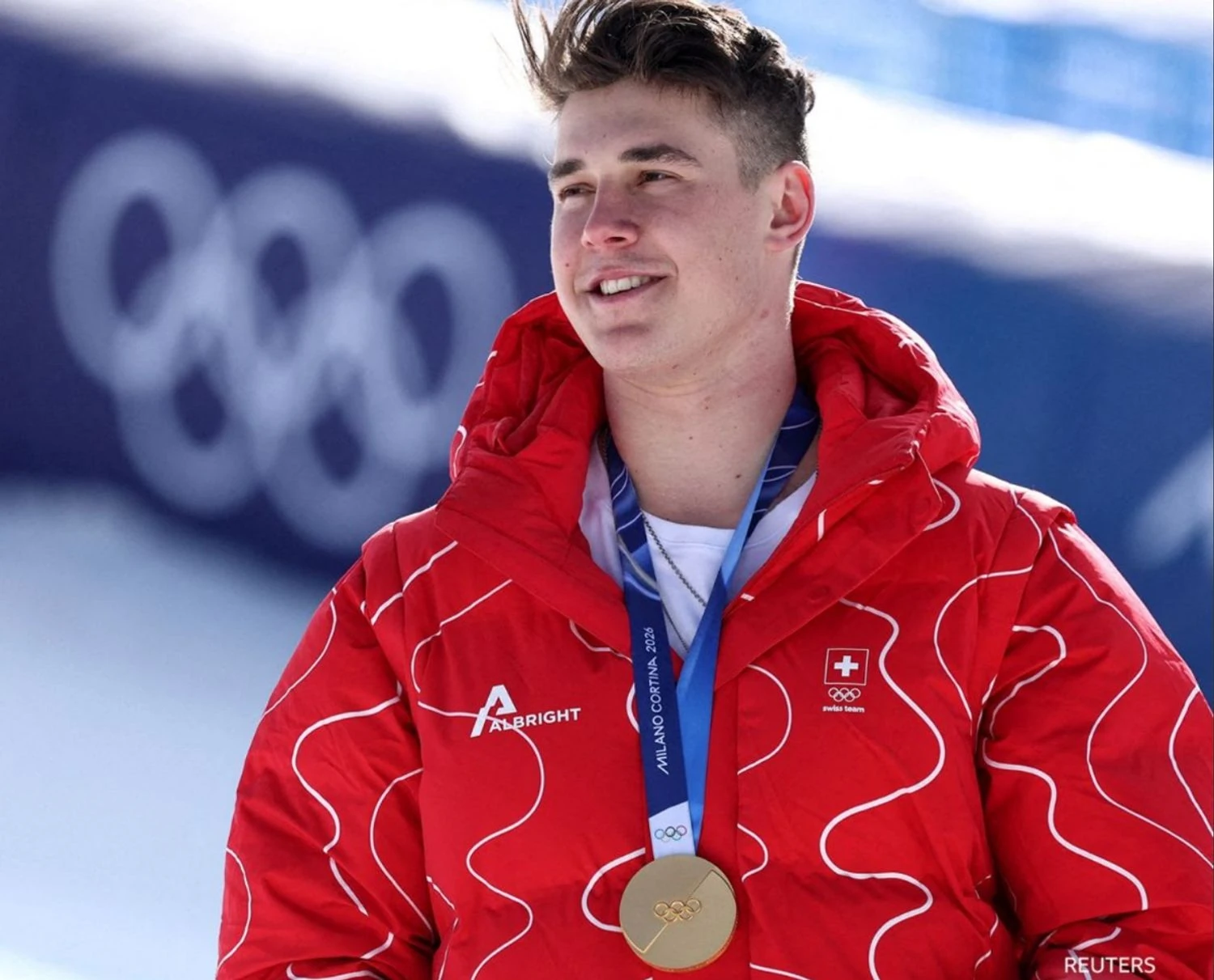
The first sets of medals at the XXV Winter Olympic Games were contested in Milan and Cortina d'Ampezzo. According to BBC and UNN, the first gold medals were won by Swiss Franjo von Allmen in the men's downhill and Swedish Frida Karlsson in the women's skiathlon.
Switzerland on "Stelvio": speed as a brand
24‑year‑old Franjo von Allmen triumphed on one of the world's toughest courses — "Stelvio", reaching speeds of up to 145 km/h and posting a finishing time of 1:51.61. Behind him finished Italians Giovanni Franzoni and Dominik Paris. This result is not an isolated victory but confirmation of the systematic strength of the Swiss school in speed events.
"My secret is to enjoy skiing! In the morning I was very relaxed and tried to keep a good mood"
— Franjo von Allmen, Swiss alpine skier
Sweden in the skiathlon: depth is growing
Frida Karlsson won the women's skiathlon, and the Swedish team completed a double podium — silver for Ebba Andersson. Bronze went to Norwegian Heidi Weng, who added tension in the final part of the distance. This signals that Sweden has not only a leader but also reserve strength for intense competitive battles.
Why it matters: trends and consequences
The first medals often serve as a benchmark of national programs' preparation. The results on Stelvio and in the skiathlon show two things: first, investments and the structure of preparation are producing a tangible effect; second, in the coming days we should expect fierce competition in figure skating, biathlon and short track, where small details will decide medals.
What Ukrainian fans and athletes can take from this
Even if today's winners are not our athletes, these results are important for Ukraine as well: they outline the level that leading teams are targeting. For Ukrainian athletes and coaches, this provides an additional reference for tactics in preparation and for compensating technical shortcomings.
Summary — where the tournament is headed
The opening day set the tone: technique, preparation and team depth matter more today than individual star performances. The next days will show whether these teams will maintain their lead or whether a new wave of favorites will emerge. For the viewer, this guarantees a tight, unpredictable contest that is only gaining momentum.
Sources: BBC, UNN.