Karpaty Move On Without Lupashka: What Will Change for the Lviv Club
After 50 matches and mixed statistics, Karpaty have terminated their cooperation with Vladyslav Lupashko by mutual consent — we examine why this decision is important for the season, the budget, and the club's image.

By Tetiana Suchkova-Ladik
December 31, 2025 · 2 min read
Club's decision — brief and to the point
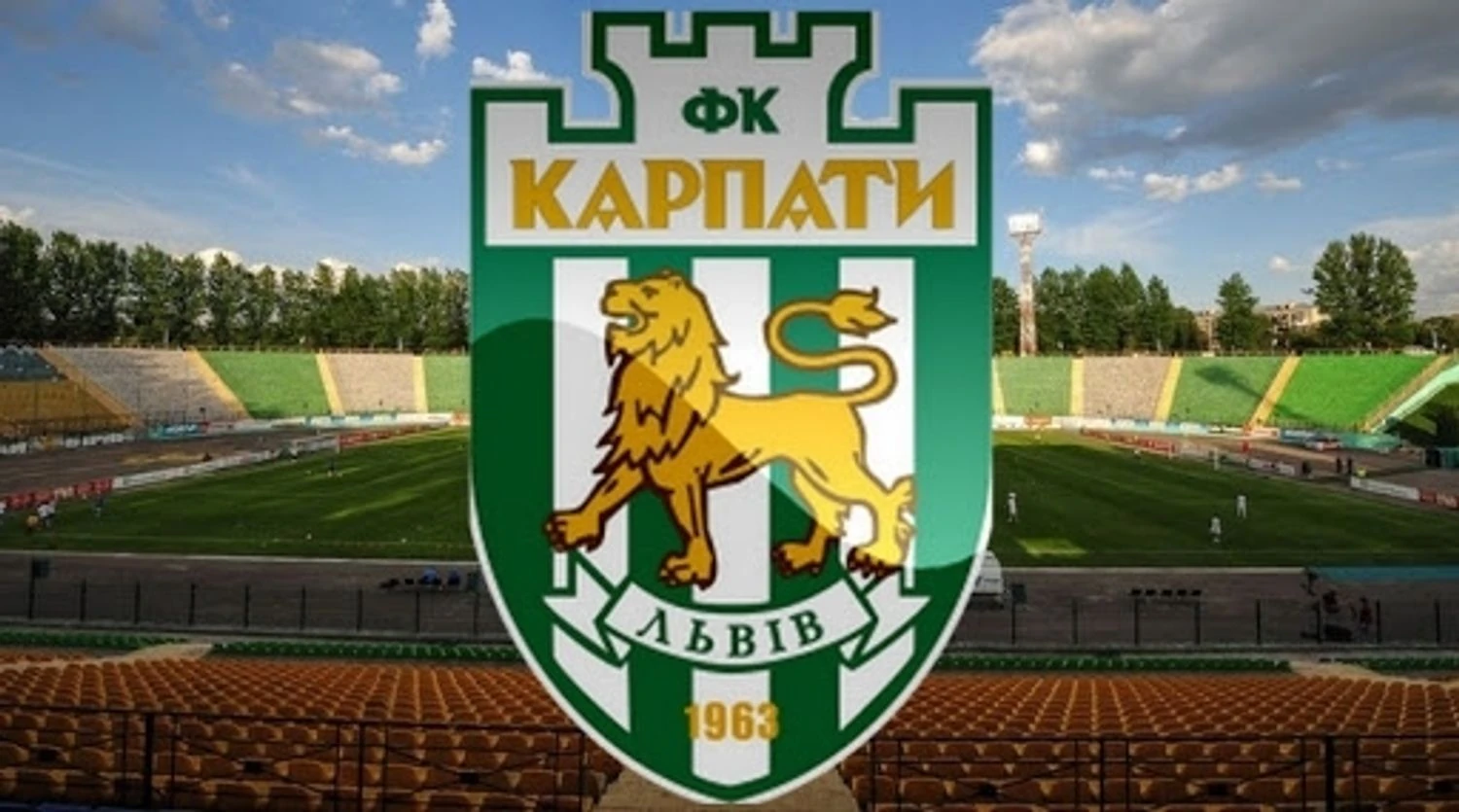
Football club Karpaty has officially ended cooperation with head coach Vladyslav Lupashko by mutual agreement. This was reported by UNN, citing the club's press release. This is not just a personnel rotation — the decision has consequences for the team's sporting trajectory and plans for the second half of the season.
"Football club 'Karpaty' and head coach Vladyslav Lupashko have ended their cooperation by mutual agreement"
— Official statement of FC 'Karpaty'
Statistics and facts
Lupashko took charge of the Lviv side in July 2024. Under his leadership the team played 50 matches, in which it recorded 19 wins, 14 draws and 17 losses. In the current UPL campaign Karpaty are in 9th place with 19 points (4 wins, 7 draws, 5 losses). Among the results are two 3:3 draws against Shakhtar and Dynamo, which demonstrates the team's ability to stand up to the giants in individual matches.
What will change in the near term
The coach's dismissal means a rapid start to the process of finding the next manager, a review of the tactical model and, possibly, adjustments to personnel policy ahead of the winter transfer window. Management will have to choose between a short-term "boost" to results and a long-term strategy of developing the academy and infrastructure.
Why this happened: a simple explanation
The decision appears rational given the mixed results: the team produced bright performances but failed to ensure consistent progress in the league table. Experts and analysts of Ukrainian football point out that in current conditions clubs care not only about points, but also about financial stability, marketing appeal and work with youth — and all this affects the choice of coach.
Note: it is also reported that Ihor Kostyuk has been appointed head coach of FC 'Dynamo' — such personnel moves on the coaching market may change the pool of available candidates for Karpaty.
Conclusion — what's next for Lviv and the club
Karpaty are an important part of Ukraine's sporting map and Lviv's identity. Now the question is not only about replacing one specialist with another, but whether the club's leadership will turn this change into systemic quality: a clear strategy, investment in the future and transparency of decisions. The ball is now in the hands of management and the fans: will this mean a new impulse for development, or merely a temporary recovery of results?