Skeleton World Cup in Winterberg postponed due to inclement weather — what it means for athletes and the safety of the sport
The IBSF has cancelled the Winterberg stage due to the weather forecast: the decision affects the schedule, athletes' preparations and heightens calls for transparent oversight of participation by athletes from aggressor states.

By Tetiana Suchkova-Ladik
January 2, 2026 · 2 min read
Why the competition was moved
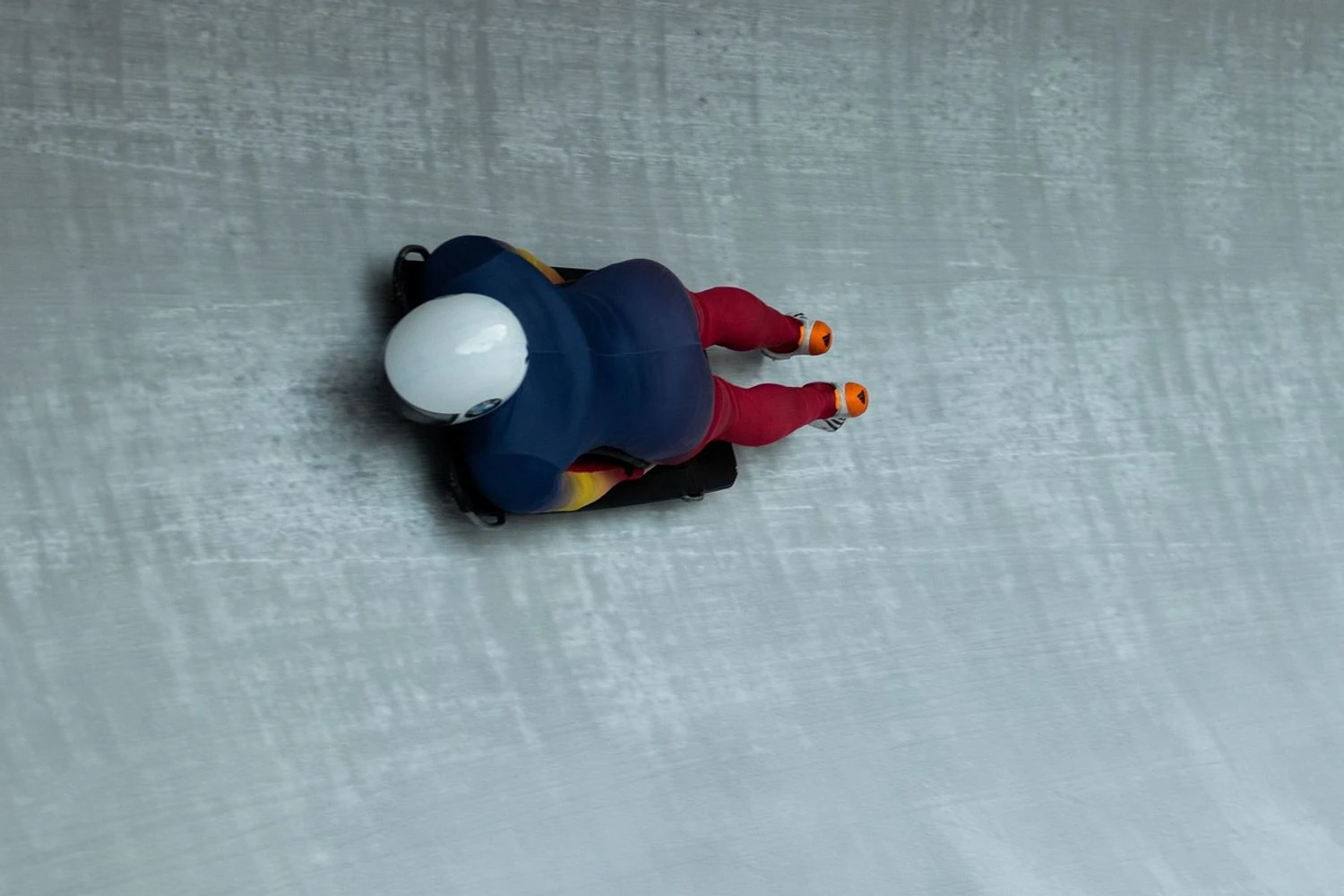
The International Bobsleigh and Skeleton Federation (IBSF) announced the cancellation of the World Cup skeleton stage in Winterberg, Germany, due to adverse weather conditions, UNN reports citing the federation’s press service. In particular, the start of the women's runs, scheduled for 14:00 local time, as well as the mixed team competition at 18:00, were postponed.
"Additional information about the IBSF World Cup skeleton competition for men will be provided later. The IBSF World Cup skeleton competition for mixed teams, which was scheduled for 18:00 local time, was also cancelled due to the weather forecast for Winterberg."
— press service of the International Bobsleigh and Skeleton Federation (IBSF)
Consequences for the schedule, athletes and broadcasts
The short‑term effect is a change of schedule, additional accommodation and logistics costs for teams, and a redistribution of television rights and sponsorship obligations. For athletes, any change in start times disrupts preparation plans and psychological routines, especially ahead of major events or selection trials.
Organizers must weigh weather risks and participant safety. In such cases the priority is safety and equal competition conditions, even if that means extra difficulties for the teams.
Parallel context: safety and the sport’s reputation
While organizers resolve technical details, Ukrainian state agencies reminded of another challenge in international sport. The Main Directorate of Intelligence of the Ministry of Defence and the Ministry of Youth and Sports of Ukraine published information about Russian athletes who, despite supporting the war, are seeking to take part in the 2026 Olympic Games. This issue is not only ethical — it has legal and security implications for international competitions.
Experts note that sports federations must work in coordination with national authorities to verify athletes’ documents, contacts and public positions. Transparency addresses not only the problem of trust but also reduces some of the political pressure on organizers and participants.
What’s next?
The IBSF must publish new timeframes for the postponed runs and coordinate with national federations on logistics. For Ukraine and its athletes the key is to maintain their preparation schedules and ensure that decisions by international bodies are consistent and transparent.
The question for the international community: will federations have the resolve to combine safety, sporting fairness and a clear approach to the participation of athletes from aggressor states? The answer affects not only the competition calendar but also the reputation of world sport.