Kyrylo Marsak sets Ukraine's Olympic record — 86.89 points and the best short-program score since 1998
Debut at the XXV Winter Games in Milan–Cortina: a program dedicated to a father serving in the Armed Forces of Ukraine scored 86.89 points — more than 10 points above the previous record. Why this result is more important than the provisional 11th place and what’s next for Ukraine in figure skating.

By Tetiana Suchkova-Ladik
February 12, 2026 · 2 min read
Debut and a record
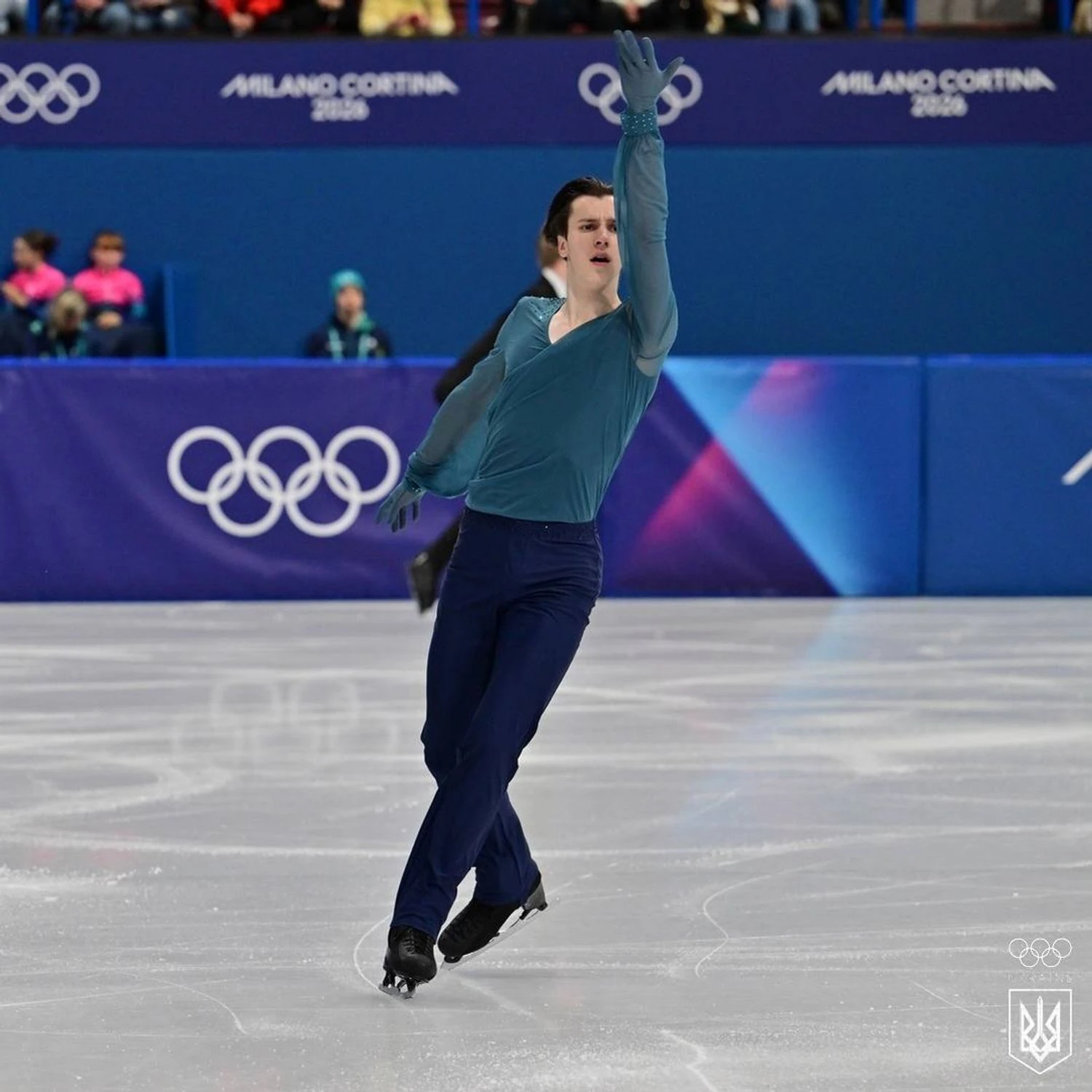
On 10 February Ukrainian figure skater Kyrylo Marsak made his debut in the short program at the XXV Winter Olympic Games in Milan‑Cortina. According to UNN citing the National Olympic Committee of Ukraine, he scored 86.89 points — more than 10 points above his previous personal best and the best result for Ukraine in the short program at the Olympics since 1998. His provisional placing on the scoreboard is 11th.
The performance was 100%. I believe I couldn't have done better that day — it was the maximum. The jumping elements gave the most points, and a Level 4 on the step sequence helped with that. The result showed that we will definitely be competing in the free skate. We'll approach it calmly, just do our best and enjoy everything that's happening here.
— Kyrylo Marsak, Ukrainian figure skater
Why it matters
On paper, 11th place is an interim result, but what matters more is this: the increase in personal and national marks under the pressure of an Olympic debut. Such a performance works on several fronts at once — as a signal to the sporting community that Ukrainian skaters can compete at this level, and as moral support for fans.
Moreover, when a program is dedicated to a close person who is currently serving in the ranks of the Armed Forces of Ukraine, sport gains social resonance: results on the ice become a symbol of resilience and of normalizing life during wartime. Coaches and figure skating analysts watch these performances closely — they assess not only the scores but also the stability of executing basic elements under emotional strain.
My father watched my performance live. He was very happy and proud of me. I had the chance to speak with him a little after the program.
— Kyrylo Marsak, Ukrainian figure skater (interview with the NOC/UNN)
What’s next: the free skate and prospects for Ukrainian skating
Kyrylo will return to the ice on 13 February at 20:00 Kyiv time for the free skate. If he keeps his composure and repeats the quality of the skate shown in the short program, the result could raise his position in the final protocol and draw even more attention from international specialists to the Ukrainian school.
The question is simple but significant: can he consolidate his personal record in the free skate and turn a powerful debut into a consistent result for Ukraine in a new Olympic chapter?
Sources: UNN citing the National Olympic Committee of Ukraine; press interview with the athlete.