Lindsey Vonn breaks left leg at the 2026 Olympics — surgery performed, condition stable
An American alpine skier took the start despite a recent injury and fell on the first turn of the downhill in Cortina. Sky Sport (via UNN) reports on emergency surgery in Treviso — what this means for the athlete and for the safety of the competition.

By Tetiana Suchkova-Ladik
February 9, 2026 · 2 min read
Fall and injury
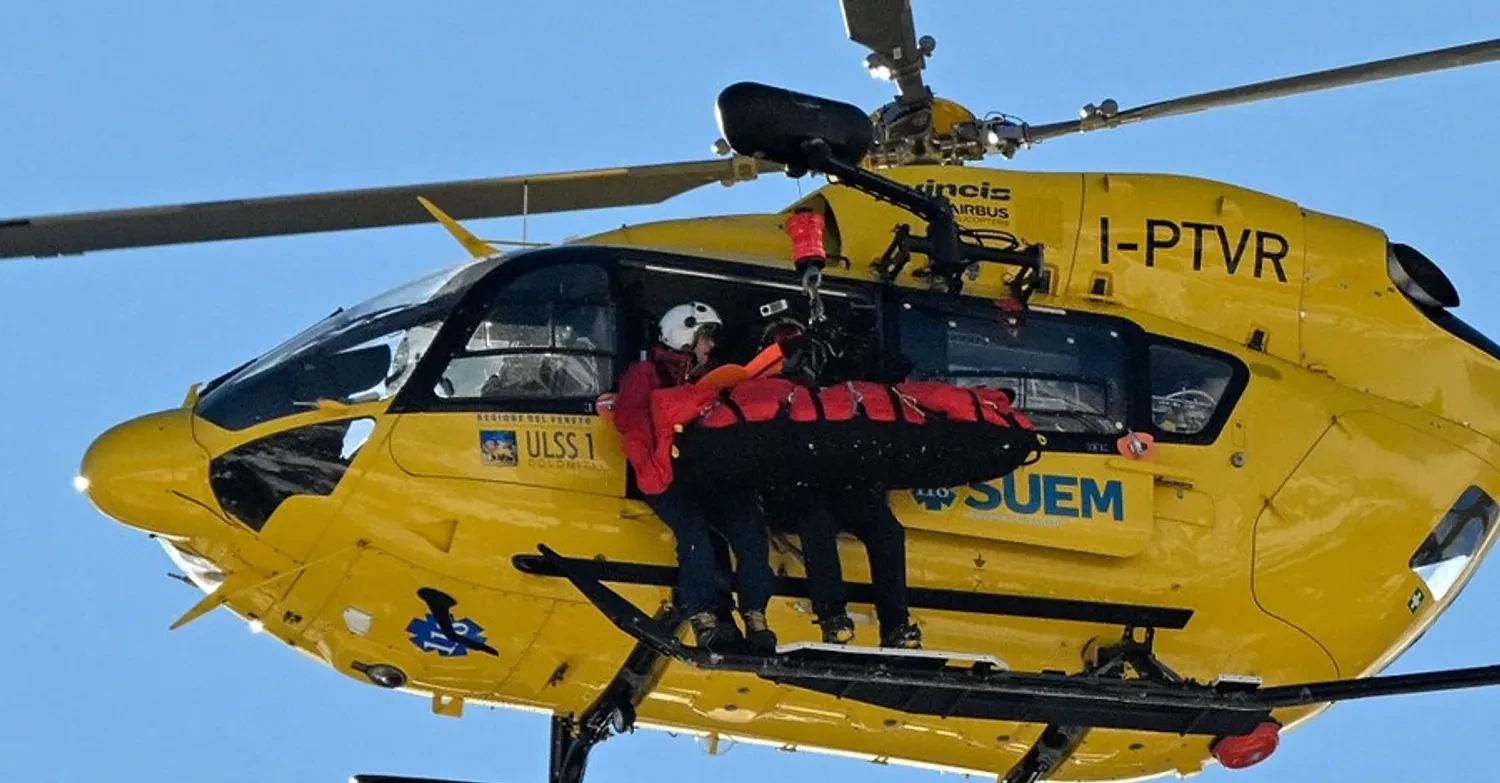
American alpine skier Lindsey Vonn suffered a fracture to her left leg during the downhill at the 2026 Winter Olympic Games in Italy. According to Sky Sport (cited by UNN), Vonn started despite a previous cruciate ligament tear that occurred on January 30 in Switzerland. On the first turn she fell and did not finish the descent; the athlete was airlifted by helicopter to a hospital in Cortina.
Surgery and condition
The hospital Ca' Foncello in Treviso reported that Vonn underwent orthopedic surgery to stabilize the fracture in her left leg. The athlete's team and doctors confirmed that she is in a stable condition and under the care of American and Italian specialists.
"The Ca' Foncello hospital in Treviso reported that Vonn underwent orthopedic surgery to stabilize the fracture in her left leg. Her team confirmed that she is in stable condition and in the reliable hands of a team of American and Italian doctors."
— Ca' Foncello (statement via Sky Sport/UNN)
"She will be fine, but recovery will take some time."
— Anouk Patti, head of sport at the U.S. Ski and Snowboard Federation
Context and consequences
This case serves as a reminder of two important things: first, the level of risk athletes assume by starting after recent injuries; and second, how crucial quality and rapid medical care is — from helicopter evacuation to multinational cooperation among medical teams.
Against the backdrop of a standout day for the Italian team, which set a national record for the number of medals in a single day on the second competition day of the Games, questions of athlete safety and the criteria for deciding on participation become especially pressing for federations and organizers.
What next?
Doctors warn that recovery will take time, and a quick return to competition is unlikely. The question for coaches and federation leaders is whether it is worth risking an athlete's career for a single Olympic start. This is no longer just about one athlete, but about safety standards in elite sport.