Tuesday, May 26, 2026
Today's Edition

EveryNews

Stories that matter, signal over noise

Sports

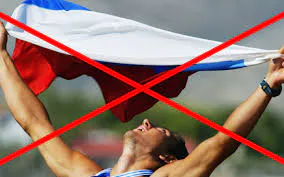
Lyskun removed from national team and stripped of ranks after changing citizenship

European diving champion Sofia Lyskun has been stripped of her place on the national team and all her sporting awards after announcing her move to Russia and acquiring citizenship there. The federation says it will appeal to international bodies.

Tetiana Suchkova-Ladik

By Tetiana Suchkova-Ladik

December 4, 2025 · 1 min read

Lyskun removed from national team and stripped of ranks after changing citizenship

Decision of the Federation

The Ukrainian Diving Federation has expelled Sofiya Lyskun from the national team and annulled all her sports titles and awards after she announced her move to Russia and obtaining citizenship there.

Assessment of the situation

The federation said the athlete's decision to change citizenship became known without prior notification of the coaching staff, the Federation itself, or the Ministry of Youth and Sports.

Actions that discredit the Ukrainian team are categorically unacceptable

– Ukrainian Diving Federation

They noted that the honor of competing under the flag of Ukraine is a responsibility that must not be violated.

The Federation intends to appeal to international sports bodies with a request to impose a "sporting quarantine" on the athlete. It may also initiate additional measures under Ukrainian law to prevent similar cases in the future.

Athlete's motivation

Sofiya Lyskun has officially changed her citizenship and will now compete for Russia. In explaining her decision, she accused the Ukrainian athlete training system of incompetence.


Related

Latest

Business

EU Against Google: Why the Latest Fine Could Change More Than Previous Ones

# European Regulators Target Google Again — This Time Over Digital Markets Act Violations. What's Behind the Accusations and Why It Matters Beyond the Corporation European regulators have renewed their scrutiny of Google, this time focusing on alleged violations of the Digital Markets Act. The charges underscore Brussels' increasingly aggressive stance on big tech monopolies and what officials say are anticompetitive practices. The accusations center on how Google leverages its dominance across multiple digital services — from search to advertising to mobile platforms — to disadvantage competitors. Regulators claim the company is using its market power in ways that stifle innovation and limit consumer choice. The case carries significance far beyond Google itself. It signals how the EU is attempting to enforce its landmark Digital Markets Act, legislation designed to curb the gatekeeping power of tech giants. A potential penalty could set precedent for how other large technology companies face similar scrutiny. For consumers and smaller tech firms, the outcome could reshape the digital landscape by creating more room for competition. For Google, fines and operational restrictions could fundamentally alter its business model in Europe, the world's most stringent regulatory market. The case also reflects a broader geopolitical divide, with the EU pursuing a regulatory approach that contrasts sharply with the lighter-touch oversight favored in the United States.

May 26, 2026