Manchester United sack Ruben Amorim over transfer dispute and disappointing run of form
After his appointment in November 2024, Rúben Amorim led the club to the Europa League final — but disagreements with the board and the club’s current league position have forced a radical change of course. We examine what this means for United, the transfer market and the supporters.

By Tetiana Suchkova-Ladik
January 5, 2026 · 3 min read
Briefly
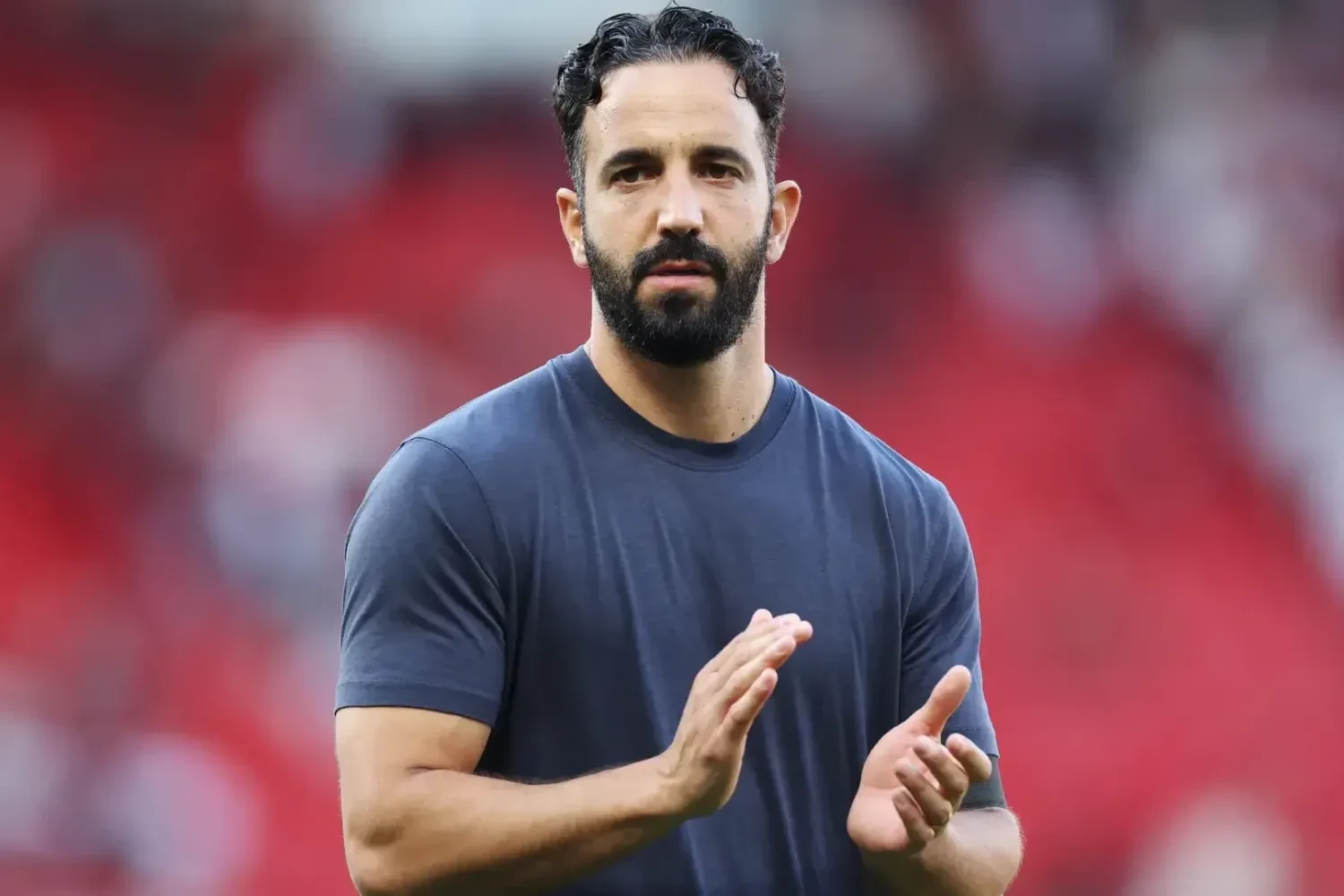
Manchester United has sacked Ruben Amorim. The club issued a statement announcing the end of the partnership: the coach had led the team since November 2024 and guided them to the Europa League final in May, but the current league position and internal disagreements became factors for the board.
Why this happened
According to the club (quote in the official release) and reporting by The Guardian, two factors proved decisive: strained relations with the football directorate and unsatisfactory league results — at the time of his dismissal United sat sixth in the Premier League. Amorim openly demanded support from the recruitment department in the transfer window, while the board responded with restraint.
"I came here to be the manager of Manchester United, not the coach of Manchester United. That is clear. I know I am not called Tuchel, Mourinho or Conte, but I am a manager"
— Ruben Amorim, quote via The Guardian
The club also reminded that an additional €10m had previously been paid to terminate his contract early with Sporting — a financial risk that adds pressure when assessing the effectiveness of the appointment.
Facts about Amorim's tenure
Under his leadership the team played 63 official matches: 21 wins, 18 draws and 21 losses. He took charge in November 2024 and guided them to the Europa League final in Bilbao in May 2025.
Who will take temporary charge of the team
Until the next Premier League match (against Burnley) the team will be prepared by Darren Fletcher — a former United player (2002–2015), who in recent years has worked within the club's structure, including in the academy and with youth sides. This is a classic interim decision that serves as a mirror: the board is seeking a quick fix, but sustained progress requires a clear squad-building strategy.
Consequences and what to expect
Analysts and sports journalists (The Guardian, club releases) agree: this is not just about the coach — it's a signal of an escalation in the confrontation between the football side and the business side of the club. For fans and the transfer market one thing matters: will the board's statements turn into concrete signings and will trust be restored between management and the sporting department.
It is also worth recalling the tragic incident that occurred before the match at Elland Road on 4 January — a supporter died at the stadium; emergency medical assistance was provided, but his life could not be saved. The club and the community feel the loss, which adds an emotional backdrop to these difficult changes.
Conclusion
The sacking of Amorim is not only a personnel decision; it is a test for Manchester United's board: can the club agree on a unified football strategy and give any incoming manager real tools to achieve results. For fans and the transfer market the key question remains practical rather than rhetorical: will words be backed up with concrete signings and budget?
"As Manchester United sit sixth in the Premier League, the board has reluctantly concluded that the time is right for a change. This will give the team the best chance of achieving the highest possible position in the Premier League"
— official Manchester United statement
Sources: the club's official statement, The Guardian, UNN reports. Experts advise not to rush to final conclusions — actions in the coming weeks will be more important.