2026 Olympic medals were cracking due to a safety mechanism — the organizing committee fixed the problem
When symbols of victory break, the problem is more than just technical. We investigate why the Milan–Cortina medals have begun to come apart and what that means for athletes and organizers.

By Tetiana Suchkova-Ladik
February 10, 2026 · 2 min read
What happened
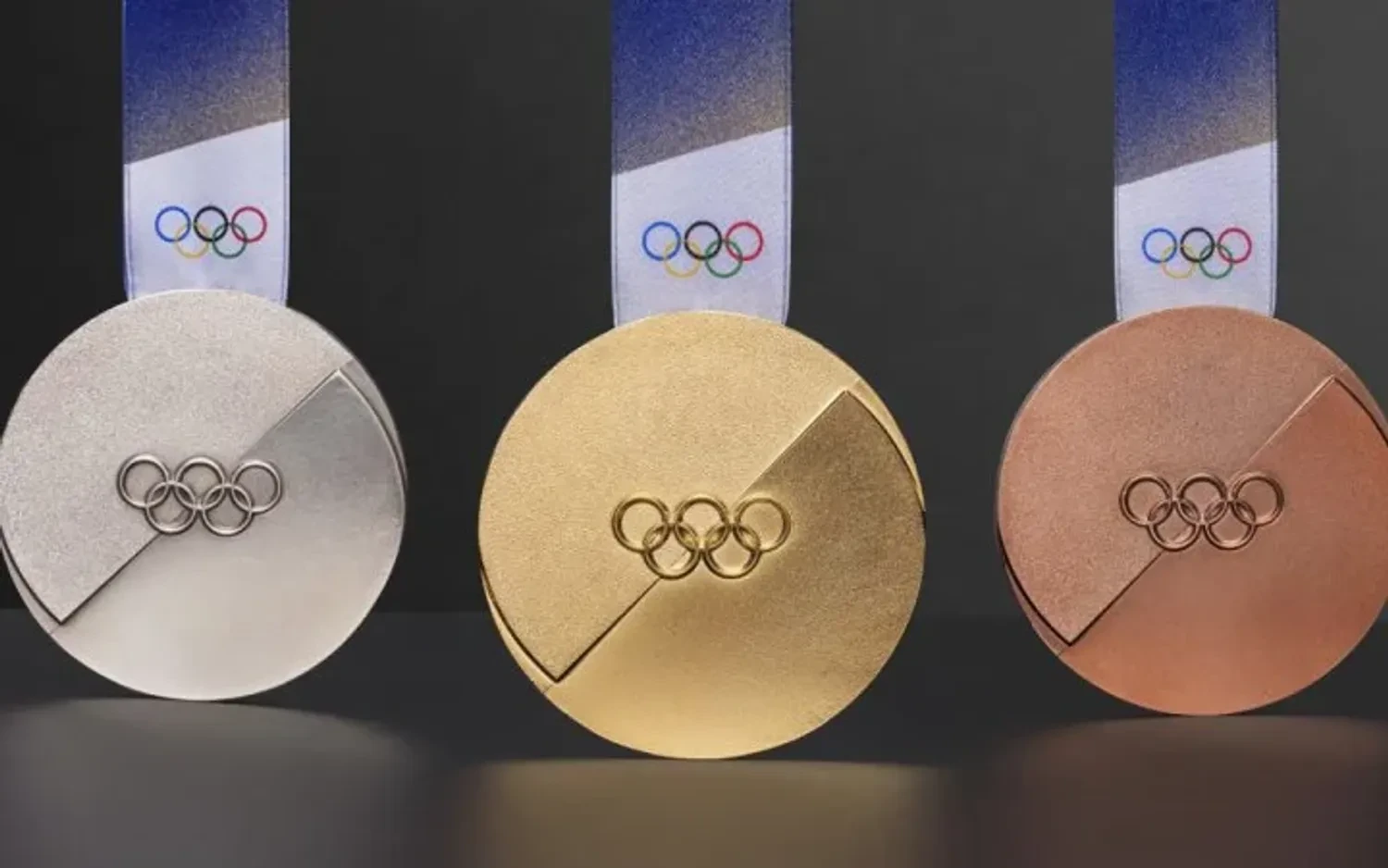
The organizing committee of the Winter Games in Milan–Cortina reported that it has fixed a technical issue with the medals that, in the first days of competition, began to crack, break or detach after falling onto the snow. Information about the incidents was circulated by the media, including The Guardian, and Ukrainian outlets relayed these details citing the organizing committee’s press office.
Technical cause — and why it matters
During an inspection it was found that the cause was not the metal itself, but the medal’s ribbon, which is fitted with a special breakaway mechanism. This element is intended for the athlete’s safety — it automatically detaches the medal under strong tension to reduce the risk of strangulation. However, in practical conditions the mechanism caused a number of malfunctions, including the clasp detaching during celebrations.
Who was affected
The first public case was reported by American alpine skier Breezy Johnson, who said her gold medal came off the ribbon. Swedish skier Ebba Andersson and American figure skater Alysa Liu also reported damage. Organizers decided to repair all medals awarded during the first three days of the Games.
"There is not yet precise information on the number of damaged awards. As a precaution, we are conducting a re-check of all medals so that the moment of victory for the athlete is associated exclusively with joy,"
— Luca Cassassa, spokesperson for the Milan–Cortina organizing committee
Practical consequences
Athletes whose medals were damaged were advised to return the awards through official channels for prompt repair and subsequent return. This solves the immediate problem, but raises questions about quality control in the supply chain and the testing of components that combine safety and aesthetics.
Context for the reader
A medal is not just a metal token; it is a symbol of many years of work, national pride and the athlete’s personal history. For Ukrainian athletes and supporters, such incidents concern not only logistics but also respect for achievements. It is therefore important that batches of equipment and decorative elements undergo stricter testing before the Games begin.
Conclusion
The organizing committee reacted promptly and launched a repair campaign — the right step. The next round is technical and procedural: review the breakaway mechanism’s design, update supplier specifications and tighten the quality-control protocol. After that the question will no longer be about isolated incidents but about how to ensure that symbols of victory remain untouchable.