Messi doesn't see himself as a coach — opts for the role of club owner and future investor
Lionel Messi has signed a contract with Inter Miami through 2027/28, but is simultaneously investing in a lower‑tier team in Uruguay. We examine why the ownership model matters to a world‑class footballer and what this means for youth development and club infrastructure.

By Tetiana Suchkova-Ladik
January 7, 2026 · 2 min read
Brief and to the point
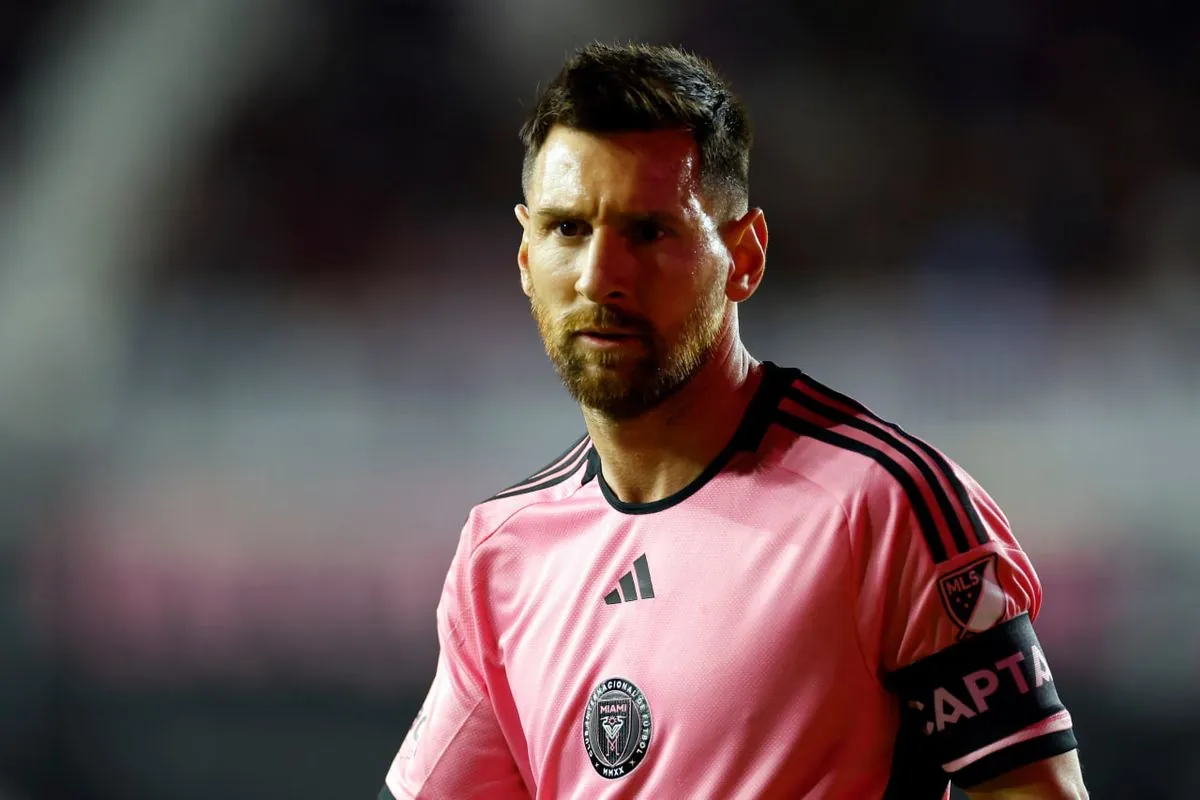
Lionel Messi said he does not see himself in the role of a coach after retiring, preferring instead the role of a owner or club manager. The information was released by ESPN and republished by UNN. Despite a new contract with Inter Miami through the 2027/2028 season, Messi is already putting the idea into practice — together with Luis Suárez he founded the Uruguayan fourth-division club Deportivo LSM.
What exactly Messi said
"I don't see myself as a coach. I like the idea of being a manager, but I would prefer to be an owner. I would like to have my own club, start from the bottom and make it grow. To have the opportunity to give kids the chance to develop and to achieve something important. If I had to choose, that's what would attract me the most."
— Lionel Messi, footballer
Why it matters
Messi's decision is not just a personal dream. It's a model of long-term investment in football: instead of trying to run a team directly from the coaching bench, he chooses control over infrastructure and the player development process. This approach allows shaping a club philosophy, investing in academies, and building a sustainable financial model — elements that can genuinely change the quality of youth development.
About Deportivo LSM and the scale of the project
The club, whose abbreviation contains the initials of Luis Suárez and Messi, is already making its presence known: around 80 employees and approximately 3,000 members. This is not just a branding initiative — it's a tool for broad outreach to children and young players at the local level. For Latin American countries and border regions, such projects often become catalysts for the emergence of a new generation of footballers.
Context of successes and trust
At the same time, Messi continues to bring benefits to Inter Miami: his two assists helped the club win the MLS Cup in the final against the Vancouver Whitecaps (3:1), which became the 47th trophy of his career. This is not a decorative fact: sporting success increases sponsor confidence and provides resources for investing in one's own projects. Career companions like Jordi Alba and Sergio Busquets have finished playing, but the model of influencing the game can change — not from the coaching bench, but through clubs and academies.
What this gives society and why it’s worth attention
The ownership model from a major player is an example for countries that are rebuilding infrastructure or looking for new ways to support youth football. For the Ukrainian reader the practical takeaway is important: grassroots work, investments in schools and clubs deliver sustainable results more than instant attention. Messi is not choosing showmanship — he is choosing a long-term system.
Summary
Preferring the role of owner over coach is not an escape from the sport, but a pragmatic choice of how to influence the game after an active career. Now the question for the environment is: will Messi's ambitions be turned into a sustainable development model that other stars and local projects can replicate? The answer will depend on how seriously resources and attention are invested in long-term institutions.
Sources: ESPN, UNN report; MLS match summaries.