Mayweather returns: exhibition fight with Tyson in Congo and professional comeback in summer 2026
Floyd Mayweather has announced an exhibition bout with Mike Tyson (tentatively set for April 25 in the Democratic Republic of the Congo) — part of a plan for a full‑fledged return to professional boxing in the summer of 2026. Why this matters now: it’s not just about nostalgia, but about big money, media influence, and a precedent for global promoters.

By Oleg Bazylewicz
February 22, 2026 · 2 min read
Brief
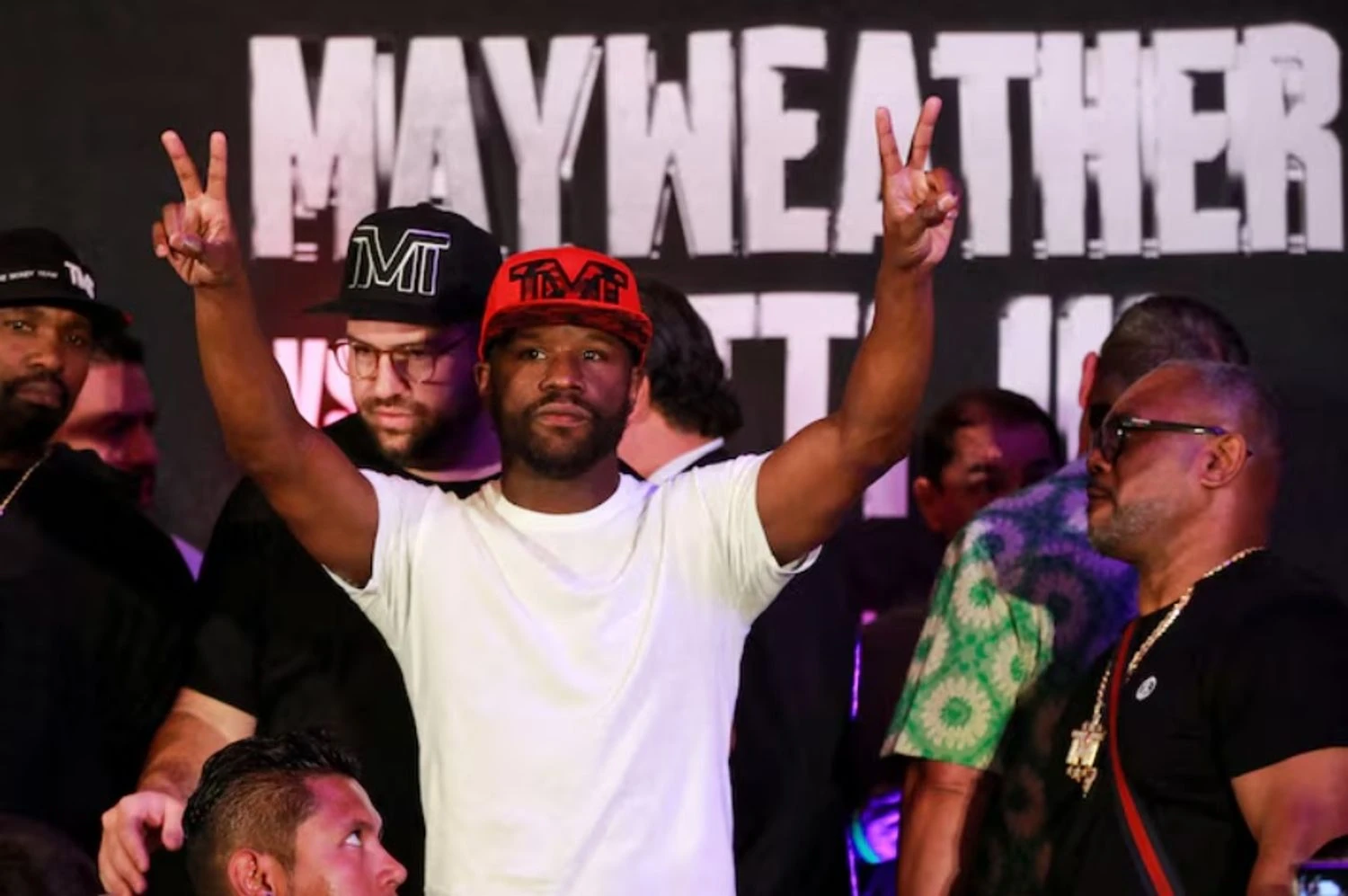
According to Reuters and UNN, 48-year-old Floyd Mayweather has announced a return to professional boxing in summer 2026. Before that he will stage an exhibition bout against 59-year-old Mike Tyson in spring 2026 — a preliminary date has been given as April 25, the venue is the Democratic Republic of the Congo. The match is being organized by promoters CSI Sports / FIGHT SPORTS.
Fight details
The bout is billed as an exhibition, but promoters emphasize that it will be a large-scale show — a “bridge” to a series of fights in which Mayweather intends to revive his professional career. The promoters’ statement mentions an exclusive contract for a series of fights.
"I still have everything it takes to set new records in boxing. From my upcoming fight with Mike Tyson to the next professional bout after it — no one will generate a bigger gate and audience than my events."
— Floyd Mayweather, official statement (according to Reuters / UNN)
"Hell, yes — it's happening."
— Mike Tyson (media report, UNN)
Why it matters
This news has several layers of significance. First, for boxing fans — it’s the return of two legends who can generate a big gate and pay-per-view revenue. Second, it’s a commercial signal: the promoter model focused on PPV and spectacle is working again as a powerful monetization tool. Third, the choice of location — the Democratic Republic of the Congo — sets a precedent for staging global events in Africa, with geoeconomic implications for the sports broadcasting market.
Context and risks
Mayweather’s comeback comes amid legal disputes over debts mentioned in reports, and within the broader trend toward “hybrid” careers for sports veterans (exhibition matches as an intermediate step). Analysts are already talking about the possibility of rematches and large broadcast deals, but this also entails risks: reputational, regulatory and security — especially when the host country has limited infrastructure for big shows.
What this means for Ukraine and the region
Even if the event is not directly related to Ukraine, it matters for the Ukrainian media and sports market: large international shows set standards for rights sales, raise PPV prices and renew interest in boxing as a product. For Ukrainian promoters and sports managers it is a signal — an opportunity to seek partnerships, understand new monetization models and strengthen positions on the global market.
Conclusion
Mayweather’s return to professional boxing via an exhibition bout with Tyson is not just nostalgia. It is a strategic move in the world of sport and media, where legends become brands and big events become sources of revenue and influence. The question for promoters and regulators today is simple: can the industry turn the “legend vs legend” format into a stable, transparent and safe product? Time will provide the answer already in summer 2026.