Michael Schumacher no longer confined to bed — what is known about his condition 12 years after the accident
The Daily Mail and The Sun report that the seven-time champion may be wheelchair-bound and require round-the-clock care. We examine what is corroborated by sources, which questions remain open, and why this story matters beyond mere sensationalism.

By Tetiana Suchkova-Ladik
January 26, 2026 · 2 min read
Brief
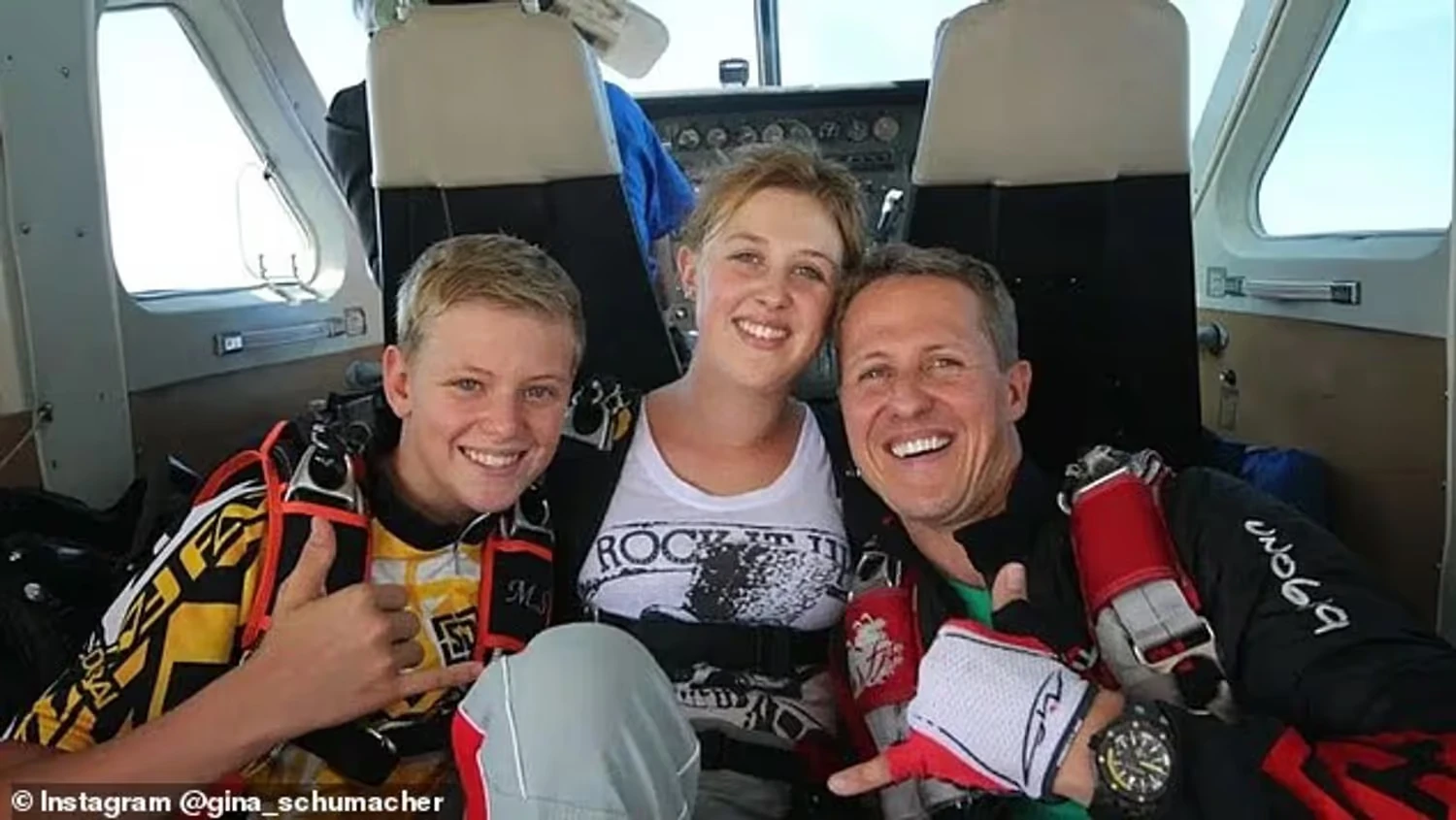
According to the Daily Mail and The Sun, 57-year-old Michael Schumacher is not bedridden — allegedly he can sit in a wheelchair but, the publications say, currently cannot walk. According to the reports, his wife Corinna and a team of medical specialists care for him at his estate. The information is based on anonymous sources in the British media; there are virtually no official statements from the family.
What the media are reporting
Daily Mail Sport and The Sun cite several well-informed sources who claim there has been a change in the way the Formula 1 legend is cared for following his head injury in 2013 in Méribel. The pieces emphasize that there have been no public appearances, but there have been certain shifts in the daily regime of treatment and rehabilitation.
"After lengthy conversations with several well-informed sources, Daily Mail Sport has learned that the Formula 1 legend... is not bedridden"
— Daily Mail (quote from the piece)
"He understands some of the things happening around him, but probably not all"
— anonymous source, quote in Daily Mail/The Sun
Why it matters
First, Schumacher's case is a reminder of the long-term consequences of severe traumatic brain injuries and that rehabilitation often takes years. Second, it is about the family's choice between privacy and the public interest: the lack of official comments fuels rumors, and vulnerable people find themselves at the center of media attention.
It is also important to note the broader frame: the issue of quality long-term care and respect for patients' dignity concerns not only celebrities. As with those wounded in war and in civilian life alike — society must defend standards of treatment and privacy.
What happens next
So far there are no official confirmations from the Schumacher family; the information relies on sources in the tabloids and accompanying materials from Ukrainian news agencies. The pieces also mention that daughter Gina is expecting her first child — a private joy for the family that again draws attention to the sports legend's personal life.
A rhetorical question to close: is modern media society ready to combine interest in the stories of famous people with basic respect for their privacy and dignity, especially when it comes to serious illness? This question is relevant to everyone — both Formula 1 fans and citizens who support the wounded and victims in times of war.