Mircea Lucescu Hospitalized: Condition of the Shakhtar Legend and What It Means for 2026 World Cup Qualifying
ProSport and UNN report: 80‑year‑old Mircea Lucescu has been hospitalized due to complications following the flu amid heart problems. Why this matters not only for Romania but also for Ukrainian fans and the clubs where he left an indelible mark.

By Tetiana Suchkova-Ladik
January 23, 2026 · 2 min read
What happened
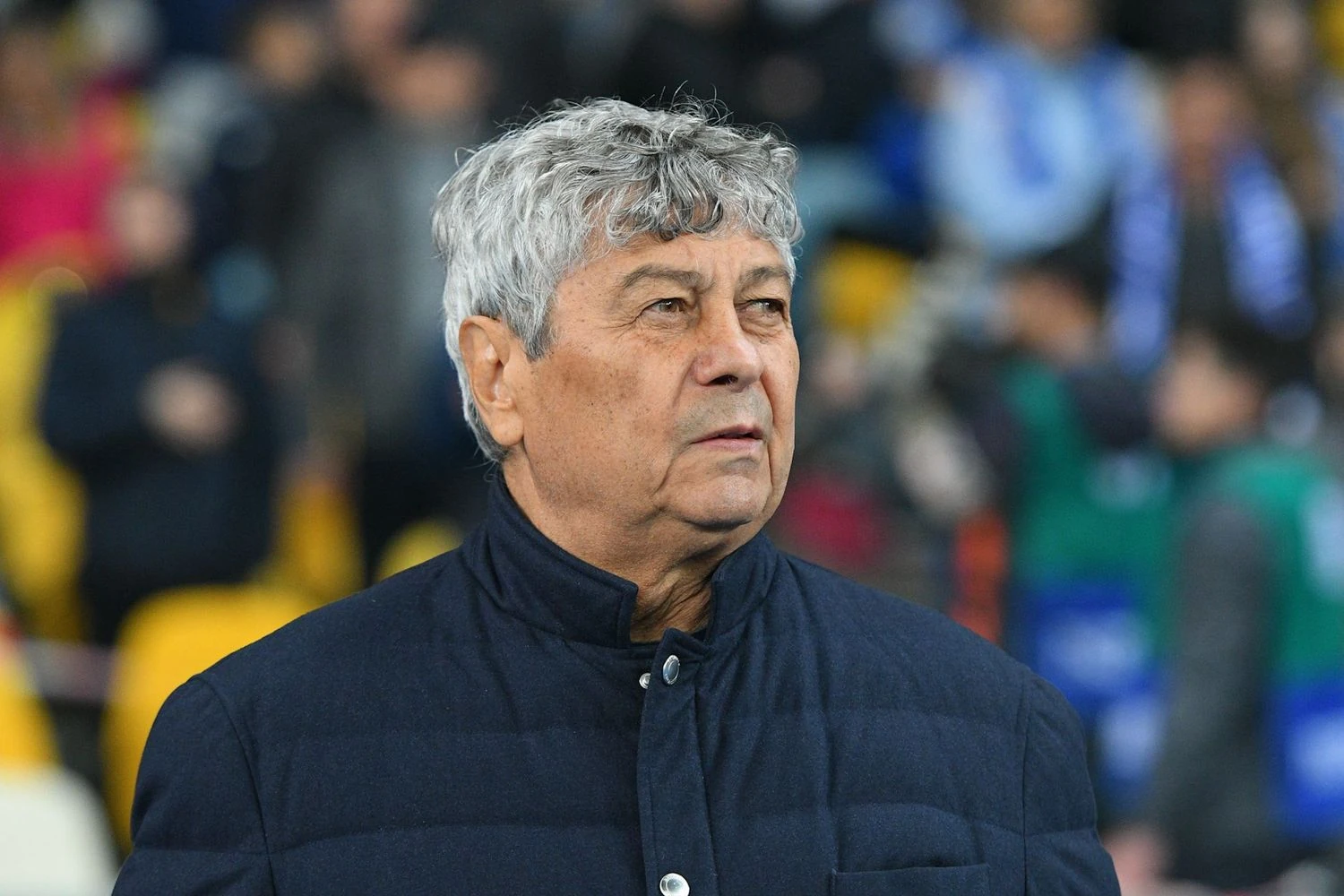
According to Romanian ProSport and Ukrainian UNN, the 80-year-old coach of the Romanian national team Mircea Lucescu was hospitalized this winter. The preliminary cause is cited as complications following a severe flu on top of heart problems, which required inpatient care.
Condition and official comments
I am hospitalized, it’s true. I was in the hospital for some time at the beginning of the year, and then I was discharged. However, I then caught a severe flu and ended up in the hospital again because I had a high fever — 39 degrees Celsius. I am now under doctors’ supervision and hope for a speedy recovery.
— Mircea Lucescu, coach of the Romanian national team
Reports are confirmed by local media citing sources in medical circles. For now there are no official detailed medical reports — only the specialist’s own confirmation of the hospitalization and that he is under medical supervision.
Why it matters for Ukraine
Lucescu is a figure who left a noticeable mark on domestic football: as coach of Shakhtar and briefly linked with Dynamo, he largely shaped a generation of players and coaching approaches. The support and attention of Ukrainian fans today is not only an emotion but also a recognition of a shared football history that has become part of the cultural bond between Ukraine and Romania.
Impact on World Cup 2026 qualifying
Given that Romania under his leadership is aiming to qualify for the 2026 World Cup, any personnel or medical issues concerning the head coach could have tournament consequences. The Romanians will first meet Turkey, and if successful — the winner of the Slovakia–Kosovo tie. Experts note that in qualifying formats, stability within the coaching staff is important for tactical preparation and the team’s morale.
What happens next
At this point the key is not to draw premature conclusions. Lucescu himself confirmed the hospitalization and is under medical supervision. For fans and the clubs where he worked, words of support are appropriate; for analysts, it is necessary to follow official updates and the Romanian federation’s decisions regarding staffing stability ahead of important matches.
Brief conclusion: the current case is a reminder of the vulnerability of even the most famous figures in sport. More important than emotions is waiting for confirmed facts and responding responsibly: the coach’s medical condition will determine both his role in the ongoing qualification and the emotional backdrop for many Ukrainian fans who remember his contribution to the development of our football.