IOC Allows Memorials but Bans the “Helmet of Memory”: What It Means for Ukraine’s Message at Milan 2026
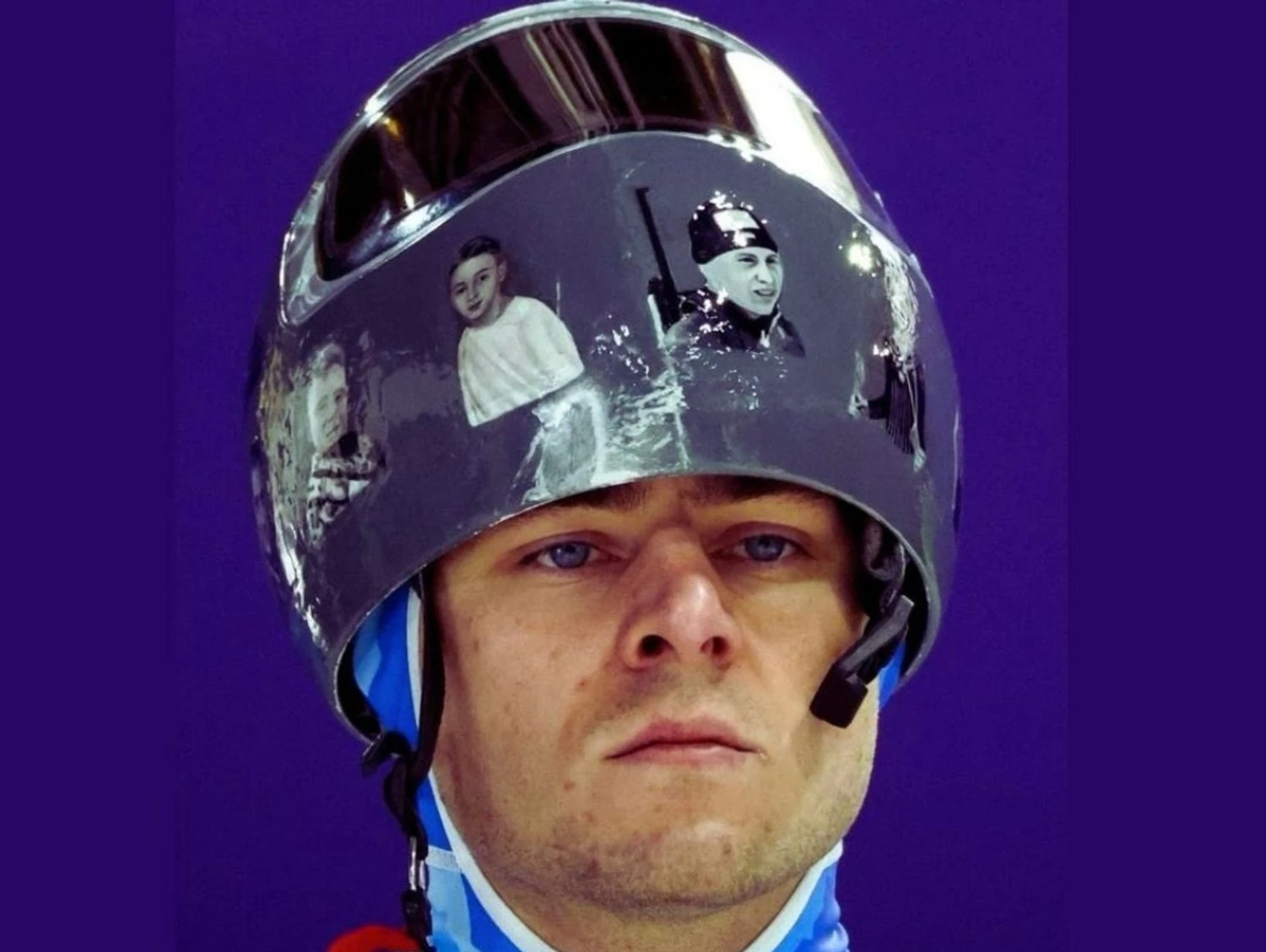
The decision may look like a technical requirement of neutrality, but it carries real diplomatic and media consequences for Ukraine. We examine why the helmet was banned, what alternatives exist, and what to do next.

By Tetiana Suchkova-Ladik
February 10, 2026 · 2 min read
What happened
The International Olympic Committee allowed Ukrainian skeleton racer and flagbearer Vladyslav Heraskevych to honor the memory of fallen athletes at the XXV Winter Olympic Games in Milan–Cortina, but banned the use of the so‑called "helmet of memory." This was reported by UNN citing the National Olympic Committee of Ukraine.
Why the helmet was banned
The IOC stressed that athletes’ equipment must remain neutral and not contain political or other messages — a position set out in the Olympic Charter. In practical terms, this means restricting certain symbols or messages during official competitions.
"Athletes’ equipment must remain neutral and not contain political or other messages"
— International Olympic Committee
Alternative and Ukraine's reaction
Heraskevych was offered less conspicuous forms of commemoration — for example, a black armband or a ribbon without inscriptions. The Games have also arranged special places of mourning and prayer rooms for participants.
"Such actions are critically important for conveying the truth to a global audience"
— Volodymyr Zelenskyy, President of Ukraine
The National Olympic Committee of Ukraine appealed to the IOC to allow Vladyslav Heraskevych to compete at the Games — negotiations about the form of commemoration are ongoing.
Context: information warfare and double standards
This IOC decision should be read not only as the application of equipment rules but also through the lens of information warfare. The Center for Countering Disinformation recorded a new wave of fakes against Ukrainians in the context of the Olympics: "Russian propagandists spread a fake TV report disguised as material from the Canadian broadcaster CBC, claiming 'inadequate behavior' by Ukrainian athletes," the Center reported.
"Russian propagandists spread a fake TV report disguised as material from the Canadian broadcaster CBC"
— Center for Countering Disinformation
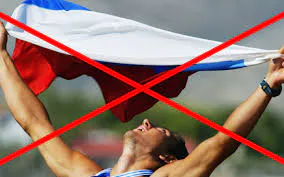
At the same time, attention was drawn to the case of Italian snowboarder Roland Fischnaller, who competed in a helmet bearing the Russian tricolor; the IOC did not apply disciplinary measures against him. Such inconsistency in decisions fuels the narrative of double standards and amplifies information risks for Ukraine.
What next and why it's important
The technical side of the issue is governed by the institution — the IOC and its rules. The political side is how the world perceives our message at a moment when the global audience is focused on the Games. For the Ukrainian side it is important not only to insist on symbolism but also to use available channels: official appeals, international media, partner delegations, as well as platforms outside the arena (interviews, press conferences, memorial events) where the message will not conflict with IOC norms but will leave a clear mark on the global public.
Conclusion
The IOC decision is not just about one helmet. It is about how the rules of international organizations intersect with information warfare and diplomacy. The next step is whether the appeals of the National Olympic Committee will lead to concessions, or whether Ukraine will strengthen its presence in the media space by other means. In any case, it is important to act deliberately: to preserve the moral message while not losing the argument in international institutions.