IOC Bans Helmet Honoring Vladyslav Heraskevych — NOC Demands Review
The decision affects not just one athlete: the issue of commemorating fallen Ukrainians intersects with Olympic rules and the information war. We examine why the NOC appealed to the IOC and what consequences this could have.

By Tetiana Suchkova-Ladik
February 10, 2026 · 2 min read
What happened
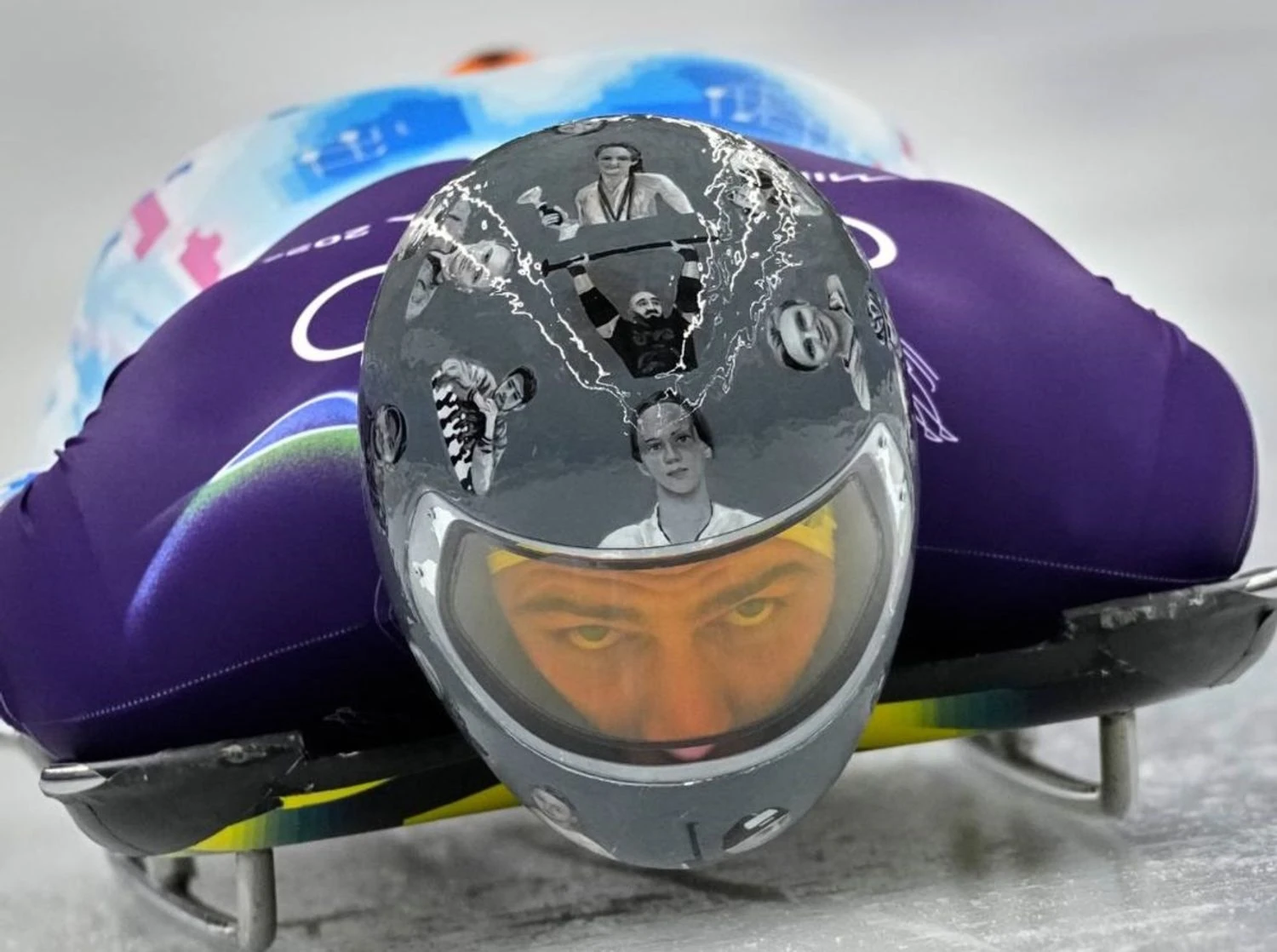
According to UNN citing the NOC of Ukraine, the International Olympic Committee did not allow skeleton racer and flagbearer of the Ukrainian team Vladyslav Heraskevych to compete at the XXV Winter Olympic Games 2026 in Milan–Cortina wearing a special “memorial helmet”. In response, the National Olympic Committee appealed to the IOC asking it to review the decision and allow the athlete to honor his fallen Ukrainian colleagues.
The helmet was created to honor Ukrainian athletes who died defending Ukraine or became victims of Russia’s full-scale war against Ukraine. The NOC of Ukraine emphasizes that it fully complies with safety requirements and IOC rules, contains no advertising, political slogans, or discriminatory elements, and was confirmed as compliant with established norms during official training. Ukraine has always respected, respects, and will respect Olympic values and adheres to the Olympic Charter.
— NOC of Ukraine
Government reaction and information background
President Volodymyr Zelensky reacted to the ban, emphasizing the importance of conveying the truth about the war to the international audience through major platforms, including sport. At the same time, the Center for Countering Disinformation recorded a disinformation campaign: Russian propagandists allegedly circulated a fake segment edited to resemble material from the Canadian broadcaster CBC in order to discredit Ukrainian athletes.
Why this matters
The situation combines several levels: firstly, IOC rules traditionally prohibit obvious political messages on athletes' uniforms. Secondly, in a time of full-scale war symbolic gestures acquire additional meaning for the Ukrainian public and the international community. Thirdly, against the backdrop of the adversary’s active information campaign, any decision by sports institutions automatically gains political and media resonance.
What may happen next
The NOC expects a “fair, objective, and impartial decision” from the IOC and insists on a transparent review of arguments regarding safety and compliance with the rules. Information security analysts note that the IOC’s decision will have not only sporting but also reputational consequences: it may send a signal to Ukraine’s partners about how international institutions view ways of commemorating the dead during wartime. Whether sporting rules can take the humanitarian context into account without turning the Olympics into a platform for propaganda will depend on the parties’ arguments and the vigilance of the international community.
Sources: UNN (from a statement by the NOC of Ukraine), NOC statement, data from the Center for Countering Disinformation.