IPC Allows Athletes to Compete Under National Flags — Ukraine and Czechia Boycott 2026 Paralympics Opening Ceremony
The IPC General Assembly has ultimately approved 10 slots for Russian and Belarusian Paralympians under their national anthems. Kyiv and Prague refuse to take part in the ceremony — we explain why this is more than a sporting decision.

By Tetiana Suchkova-Ladik
February 24, 2026 · 2 min read
What happened
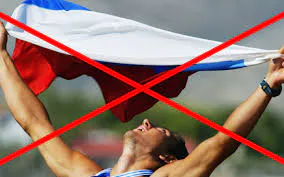
The General Assembly of the International Paralympic Committee (IPC) decided to allow Russian and Belarusian athletes to take part in the 2026 Winter Paralympic Games under their national flags and with their national anthems performed. The information was reported by Reuters and UNN.
Details of the decision
The IPC allocated only ten shared slots: Russia — six (two in para alpine skiing, two in cross-country skiing and two in snowboarding), Belarus — four in cross-country skiing. The decision was made at the General Assembly itself and, as the organization’s president emphasized, it is final.
"This decision cannot be overturned by the board of directors or by me"
— Andrew Parsons, President of the International Paralympic Committee
Reaction from Ukraine and partners
After the announcement, Kyiv said the Ukrainian team will boycott the opening ceremony of the Games in Verona on March 6. The Czech Paralympic Committee expressed a similar position in solidarity; some Polish officials will also refrain from participation. This is a clear political signal that goes beyond purely sporting protocol.
Why it matters
The IPC appeals to principles of inclusion and the protection of athletes' rights. At the same time, analysts point to several risks: legitimization of regimes, reduced moral support for Ukrainian athletes, and the transformation of sporting venues into arenas of geopolitical symbolism. Reuters notes the decision could affect trust in international federations and prompt further diplomatic steps.
What could change next
Partners, sponsors and national committees now have a choice: to increase public pressure on the IPC or to move to immediate measures — from boycotts of ceremonies to legal initiatives. For Ukrainian athletes the key question is whether security and equal competitive conditions will be ensured, and for states whether this will become a precedent in sports diplomacy.
Conclusion
The IPC’s decision already has consequences beyond the sporting field: ceremonies, diplomacy, public trust. The next move is up to partner countries and the media — from declaring solidarity to taking concrete action. The main question to ask today is: can international sport protect athletes' rights without compromising principles of fairness and safety?