Mudryk could train six months before his suspension ends — what it means for the national team and who else is on their radar
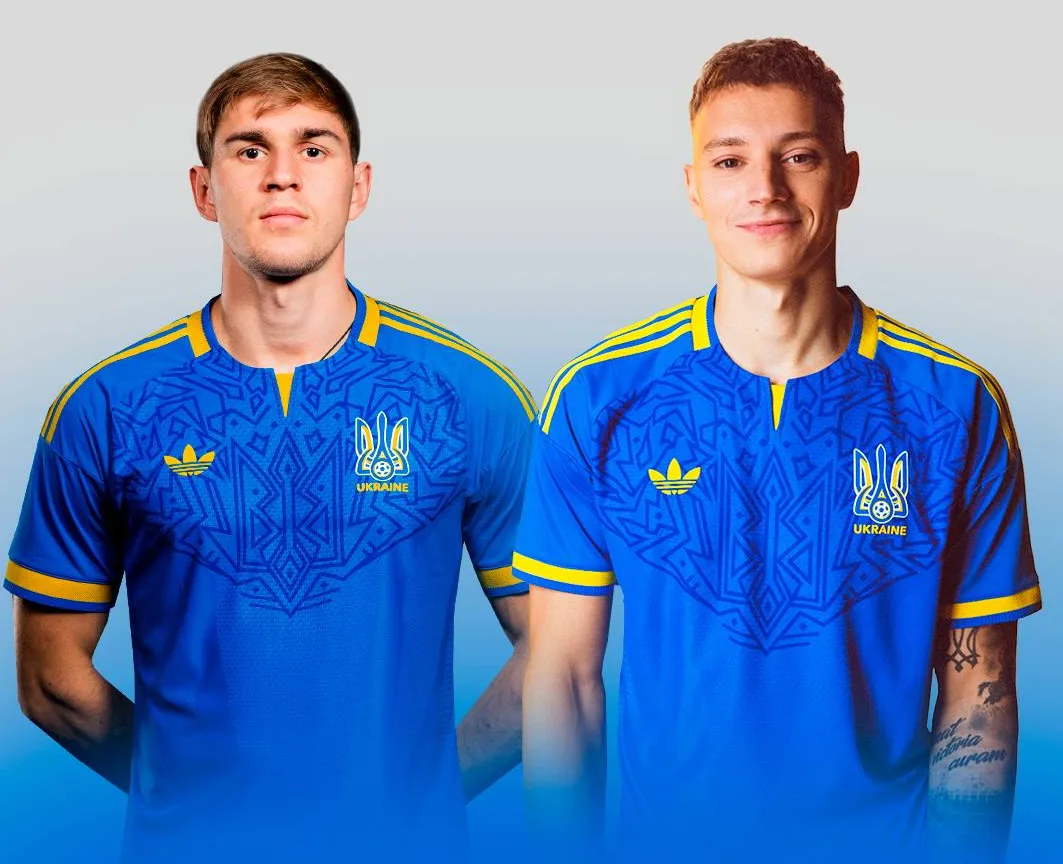
Ihor Tsyhanyk reported: Mykhailo Mudryk could return to training six months before the end of the sanctions; meanwhile the national team is considering the naturalization of Shakhtar's Brazilians — we analyze the benefits and risks for the national team.
By Oleg Bazylewicz
January 26, 2026 · 2 min read
What happened
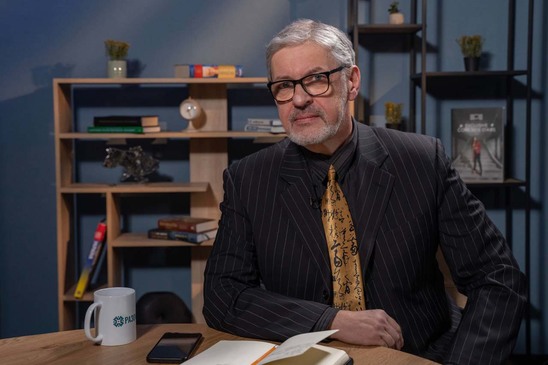
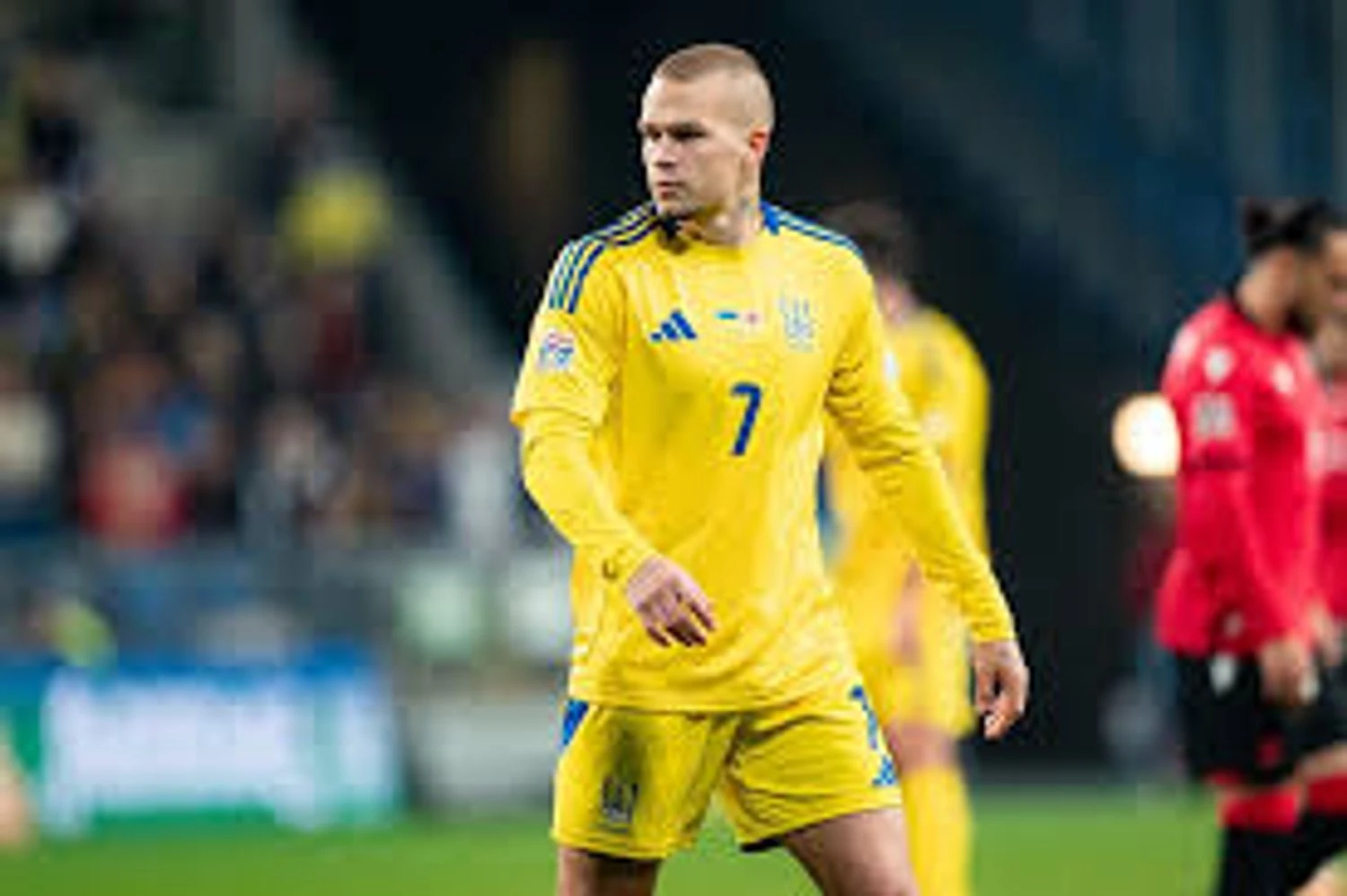
Journalist Ihor Tsyganyk, in his YouTube project quoted by UNN, voiced several important points about the future of the Ukraine national team. According to him, midfielder Mykhailo Mudryk may be allowed to train with the team 6 months before the end of his suspension. As an example, Tsyganyk cites a precedent in world football — Paul Pogba, who previously had similar conditions.
Who else is on the radar
In addition to Mudryk, Tsyganyk named Shakhtar’s Brazilian left-back Pedro Henrique as a potential reinforcement for the national team via naturalization. Another foreign player from the Donetsk club — Pedrinho — has also been mentioned in the media. According to the journalist, both players are still “considering this option.”
"Right now both footballers are considering this option. They are thinking about how beneficial it is, how much they need it, how they intend to connect themselves with Ukraine, because there are certain risks... But at this stage there is no concrete consent from the players themselves."
— Ihor Tsyganyk, sports journalist
Why this matters for the national team
Integrating Mudryk into the training process before the official end of his suspension could help him maintain match fitness and speed up a full return to competition. The naturalization of Brazilians would allow a quick reinforcement of the flanks and creativity, especially if these are young players with experience in European club competitions.
Legal and reputational risks
It is important to separate facts from assumptions. Suspensions and naturalization issues are regulated by different authorities — from national legislation to sports bodies (WADA, FIFA). The Pogba precedent provides an argument, but not an automatic guarantee. It is also necessary to consider the legal obligations that accompany obtaining citizenship and how this will be perceived publicly during the war — a point, as Tsyganyk notes, that the players are paying attention to.
What this means in practice
If Mudryk does train with the team before the full lifting of sanctions, this will reduce the time needed to return to optimal physical condition. If the naturalization of Pedro Henrique or Pedrinho goes ahead, the national team will gain additional options in the squad, but this will also raise questions for the FFU and the government about legal procedures and public communication.
Forecast
Experts note that such steps generally increase the team's competitiveness if they are carried out transparently and in accordance with the rules. What matters now is that the statements turn into confirmed actions: decisions by sports authorities regarding Mudryk’s training regime and the final positions of the players themselves on naturalization.
A final question: can the right personnel policy not only strengthen the team on the pitch but also become an element of trust in the national team at a difficult time for the country?