Okipniuk — 10th in the final: bold plan failed to secure a superfinal. What it means for Ukrainian freestyle
Oleksandr Okipnyuk scored 101 points in the aerials final at the Olympics in Italy and did not advance to the super-final. We examine why the choice of high difficulty was deliberate and what conclusions the team is drawing.

By Tetiana Suchkova-Ladik
February 20, 2026 · 2 min read
Brief — facts that matter
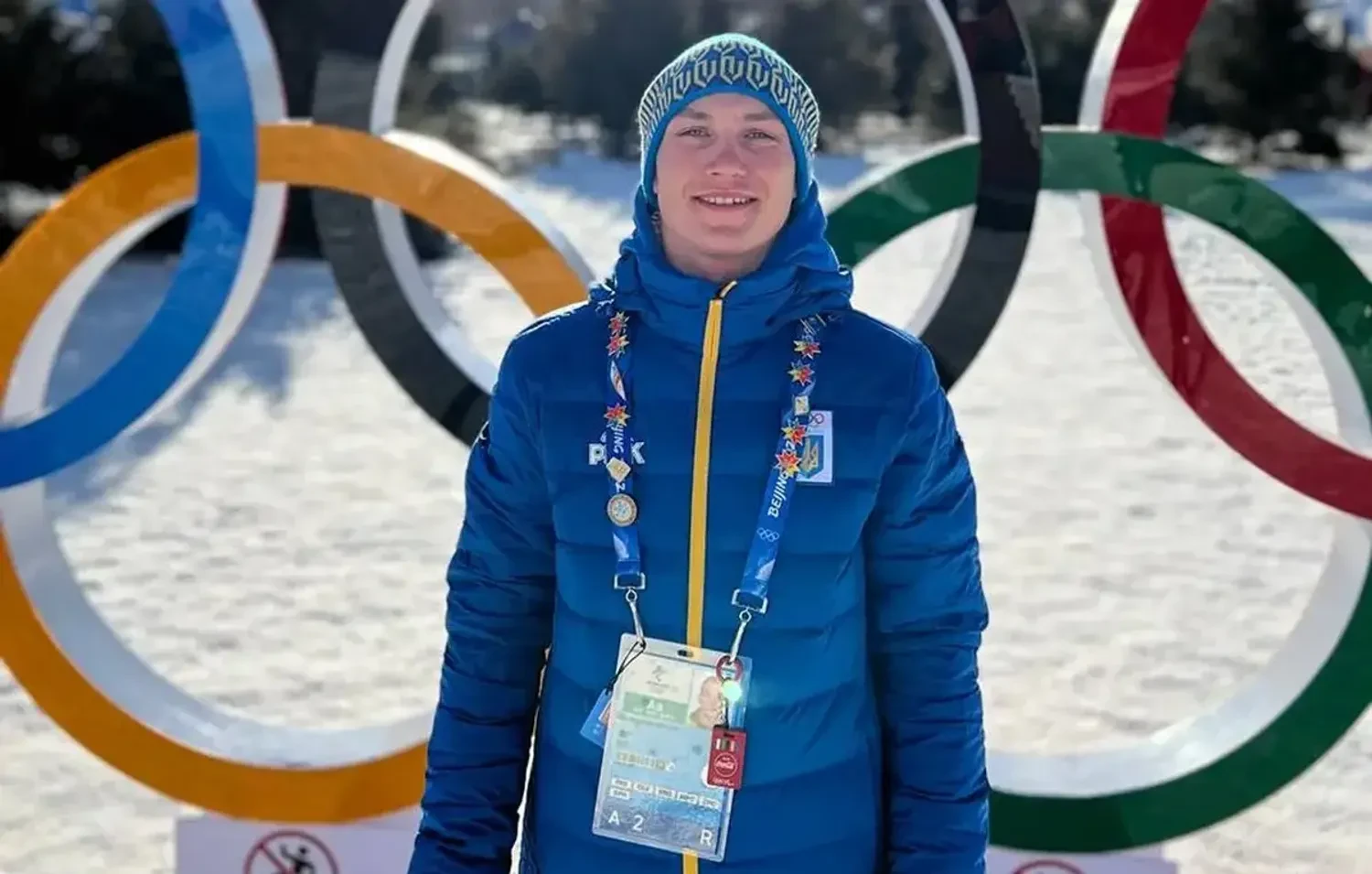
On February 20 in Italy the superfinalists in men's aerials were decided. Ukraine in the final was represented by 27‑year‑old Олександр Окіпнюк. He scored 101 points and finished in 10th position, which did not give him the right to compete in the superfinal among the top six.
“Олександр scored 101 points and placed 10th in the final, not advancing to the superfinal.”
— UNN
Why this happened: technique versus risk
Окіпнюк consciously chose jumps with a high degree of difficulty — during the second attempt the degree of difficulty exceeded 5. This is a typical approach when athletes try to compensate for a lack of execution cleanliness with a higher difficulty. Unfortunately, the landing proved insufficiently clean, and the loss of execution points pushed him outside the top‑6.
Context: who is in the superfinal and why it matters
Only athletes from two countries will compete in the superfinal — two from Switzerland and four from China. This situation shows that at the highest level it’s not only the boldness of the program that matters, but also the consistency of landings and the training system.
- 1. Ное Рот (Switzerland) — 131.56
- 2. Пірмін Вернер (Switzerland) — 127.50
- 3. Ці Гуанпу (China) — 121.68
- 4. Сіньді Ван (China) — 120.36
- 5. Лі Тяньма (China) — 119.91
- 6. Сунь Цзясюй (China) — 117.26
- 10. Олександр Окіпнюк (Ukraine) — 101.00
What this means for Ukraine
The result is not only an individual defeat or victory; it is a signal for the preparation system. Bold programs show the ambitions of Ukrainian athletes and their readiness to compete with the world’s leaders, but to move from ambition to medals requires consistency of execution under pressure.
Experts note that Ukrainian athletes are gaining experience at the highest level, and performances like this indicate where to invest — in landing technique, preparation for competitive stress, and coaching methods.
Conclusion
Окіпнюк took a calculated risk — the program was about a chance for a significant result, but the execution failed him. This is not the end of the road, but a diagnosis: where work needs to be strengthened so that at future stages a high difficulty score brings points, not penalties. Whether the team can turn this lesson into an advantage is a question for coaches and sports administrators, but our athletes have plenty of ambition.