Okipniuk in the aerials final at the 2026 Olympics: Ukraine's first chance at a medal
Oleksandr Okipniuk became the first Ukrainian to reach the ski aerials final at the 2026 Winter Games — a brief look at the result, its significance for the national team, and the factors that will affect his chances in the decisive run.

By Tetiana Suchkova-Ladik
February 20, 2026 · 2 min read
What happened
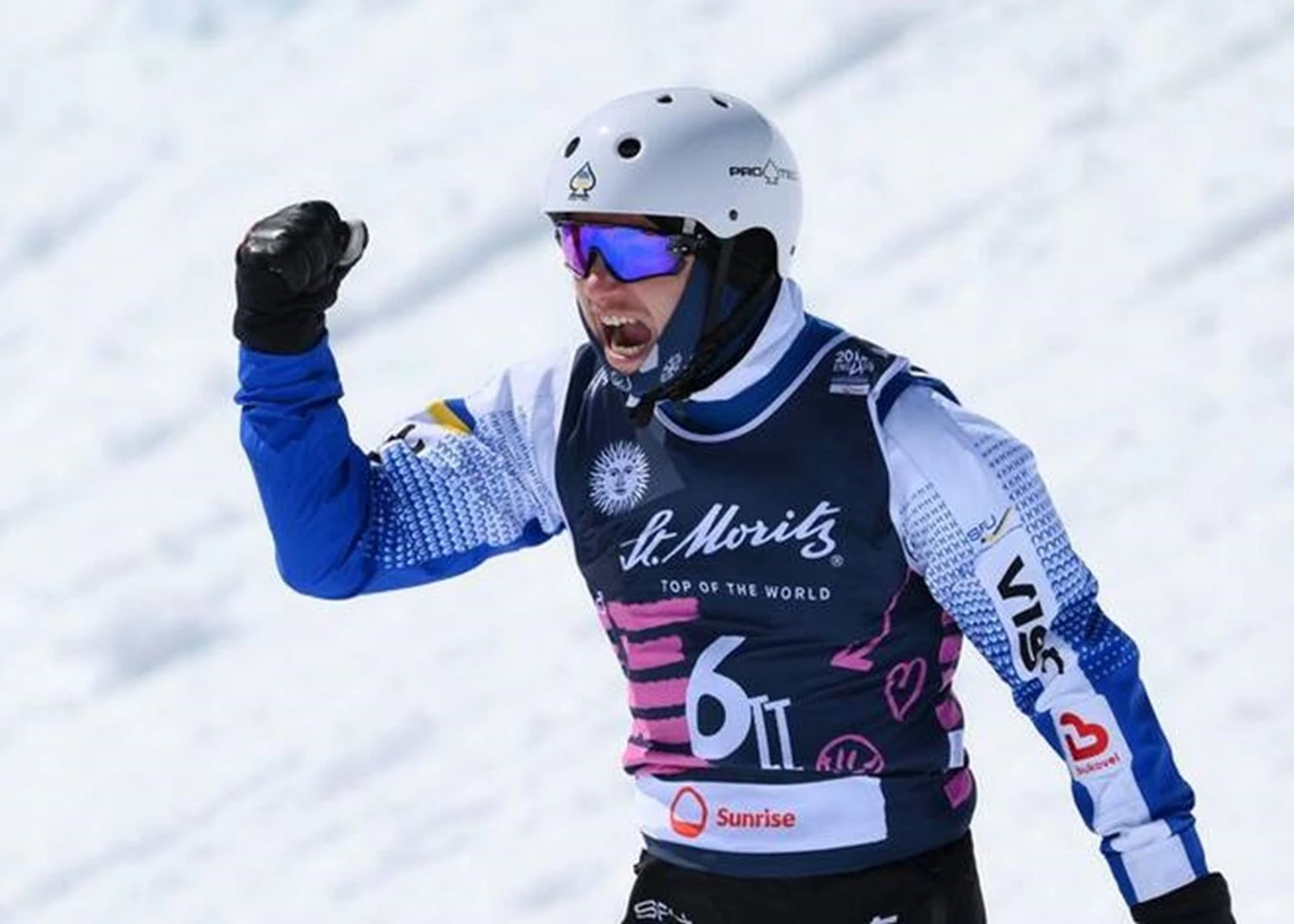
Ukrainian freestyle skier Oleksandr Okipnyuk advanced to the final of the aerials competition at the 2026 Winter Olympic Games. In his first qualifying attempt he scored 112.67 points, placed sixth and secured one of the six spots in the final.
"Ukrainian freestyle skier Oleksandr Okipnyuk has reached the final of the aerials competition at the 2026 Winter Olympic Games... In his first qualifying attempt he scored 112.67 points"
— UNN, news agency
Who else and why it matters
Other Ukrainian athletes — Dmytro Kotovskyi, Yan Havryuk and Maksym Kuznetsov — were unable to improve their results on the second attempt and did not make the final. As a result, Okipnyuk remains the sole Ukrainian representative in this discipline at the competition.
Aerials have traditionally been one of the strongest disciplines for Ukraine's winter team, so reaching the final is not just an individual success — it is one of the country's key chances to fight for a medal at the 2026 Games. Analysts and the coaching staff note that in the final the decisive factors will be the difficulty of the program, cleanliness of execution and landing consistency.
Context and small but important details
The final will take place on February 20 at 14:30. One notable aspect of this qualification was attention to equipment: earlier, Austrian jumper Daniel Chofenig was disqualified for exceeding the permitted boot size by 4 mm, a reminder that technical rules can determine medal outcomes.
"His boots exceeded the allowed size by 4 millimeters and that cost him the chance to compete for a medal."
— UNN, news agency
Summary — what’s next
Okipnyuk has real chances for a high placing, but the final is a different arena: competition, psychological pressure and technical nuances. For Ukraine it is now important not only to cheer but to provide the athlete with all necessary support — from logistics to analytical work on the program. Whether the qualifying success can be turned into a medal depends on how effectively the team around the athlete works in the next few hours before the decisive performance.