Olympics 2026: Tunitska and Smaga 17th–18th after first run — what does it mean for the Ukrainian luge program?
The first run left the Ukrainian women in 17th–18th positions — more than a second behind the leader. We examine why the competition is still open and what signals this result sends.

By Tetiana Suchkova-Ladik
February 9, 2026 · 1 min read
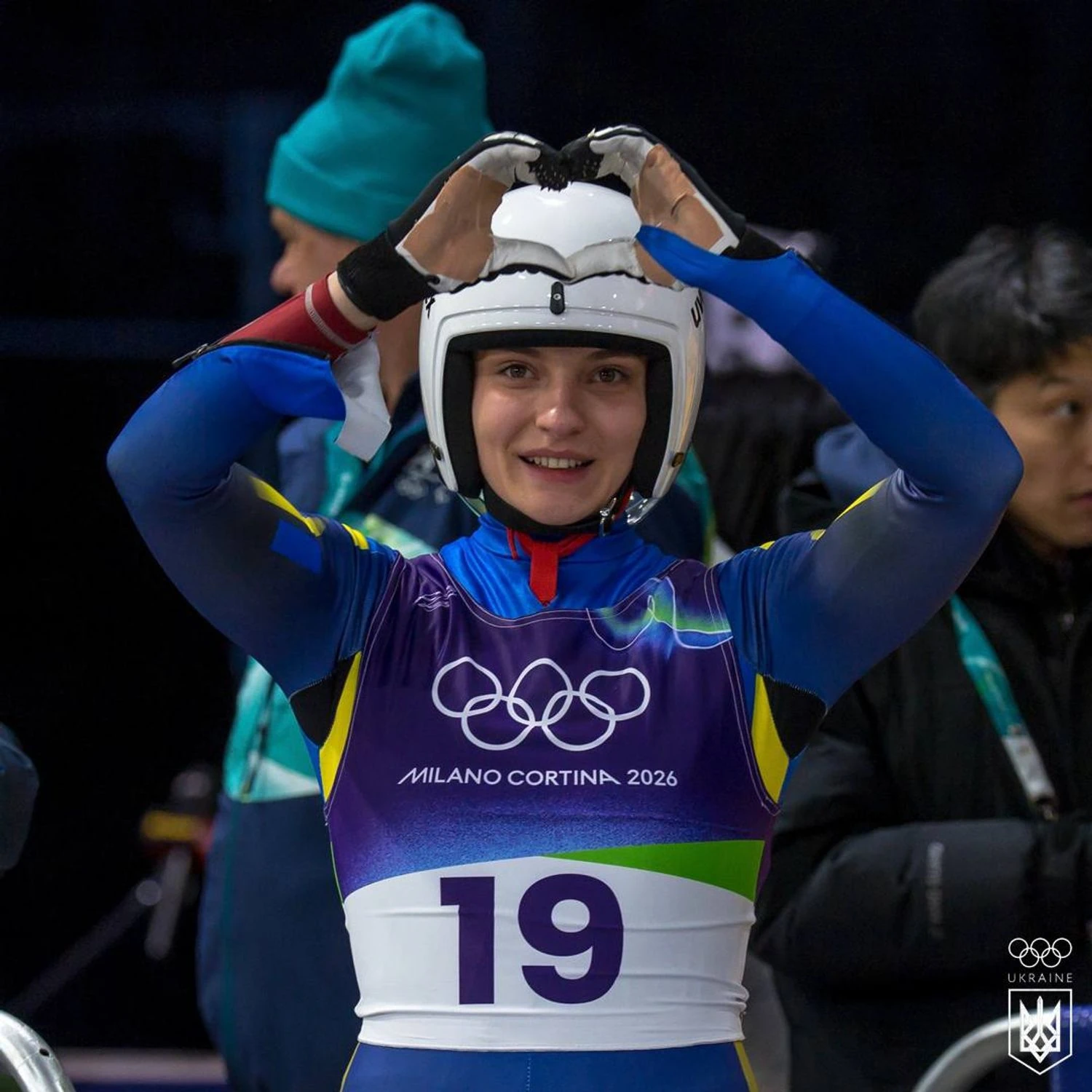
Position after the first run
Ukrainian lugers Yulianna Tunytska and Olena Smaha finished the first run in the singles sleds in 18th and 17th positions, respectively. German Merle Frebel leads with a time of 52.590. Both Ukrainians trailed the leader by more than a second, but this is only the first stage of the fight for final places.
"After the start Smaha posted the 17th result, Tunytska — 18th."
— UNN
How the format works and where Ukraine's chance is
The luge tournament is decided by the aggregate time of several runs. So a deficit after the first descent is not a verdict: the gap can be reduced through better starts, consistent track runs, and technical improvements between runs. Technique, the track and psychology all play equally important roles.
Context and significance of the result
For Ukraine the result is a signal of progress: regular participation in final runs strengthens experience and provides data to optimize training. Winter sports analysts note that consistency across two runs is valued more highly than occasional fast descents.
Forecast
The competition continues, and final positions will be determined by the remaining runs. If Tunytska and Smaha cut their losses to fractions of a second, they can move up the standings. But to contend for medals they will need to substantially reduce the gap — a task for both coaches and technicians.
While the country's attention is focused on the results, it is important to remember: performances like these are part of systematic work that lays the foundation for stronger showings in the future. Whether it will be enough for a breakthrough in the final — we will see in the upcoming runs.