Milan–Cortina 2026 Olympic flame ceremonially handed over in Athens
At the Panathenaic Stadium in Athens, organizers received the torch that launches the 63-day relay across Italy ahead of the Games’ opening on February 6. The ceremony was held in a shortened format due to forecasts of heavy rain.

By Oleg Bazylewicz
December 4, 2025 · 2 min read
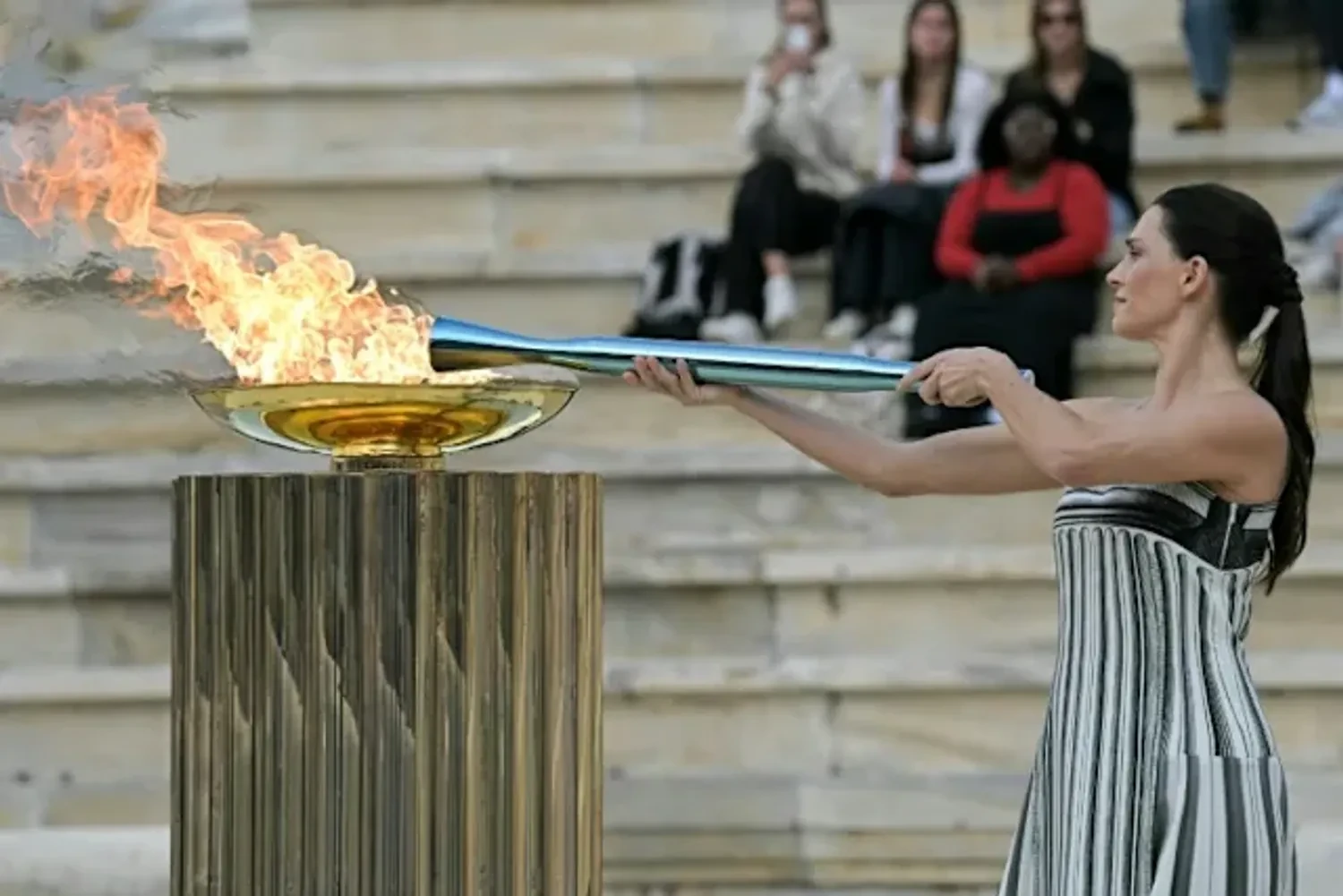
On Thursday at the marble Panathenaic Stadium in Athens the organizers of the Milan‑Cortina 2026 Games received the Olympic flame, which begins a 63‑day relay across Italy ahead of the opening ceremony on 6 February. Because of warnings of heavy rainfall, the celebration was held in a reduced format.
Ceremony in Athens
Head of the organizing committee Giovanni Malagò received the torch inside the Panathenaic Stadium more than two months before the official start of the Games. Before that, the flame was lit in ancient Olympia on 26 November and travelled a nine‑day route in Greece to Athens.
Italy is proud of its Olympic heritage, and we are preparing to open a new page of that history
– Giovanni Malagò
One of the final torchbearers on arrival in Athens was Italian Olympic doubles tennis champion Jasmine Paolini, who carried the flame into the stadium after the conclusion of the Greek leg of the relay.
Relay route
After Athens the torch will head to Rome, and on 6 December it will depart from the Stadio dei Marmi to begin the Italian leg of the route. The domestic relay will cover roughly 12,000 km, spanning all 20 regions and 110 provinces, passing through about 60 cities and 300 towns. The event will involve 10,001 torchbearers.
The route will include famous landmarks such as the Colosseum in Rome and the Grand Canal in Venice, as well as stops in southern cities like Palermo and Naples to boost interest in regions with lower engagement in winter sports.
This is set to be an exciting 63‑day event; after twenty years of waiting the Olympic flame is returning to Italy
– Giovanni Malagò
The relay will arrive in Cortina d'Ampezzo on 26 January — exactly 70 years after the opening ceremony of the 1956 Games at the same location — and will conclude on 6 February during the opening at San Siro stadium in Milan.
Key facts
- Flame lit in ancient Olympia: 26 November.
- Duration of the relay in Italy: about 63 days, distance — roughly 12,000 km.
- Participation: 10,001 torchbearers, all 20 regions and 110 provinces.
- Major route points: Rome (Colosseum), Venice (Grand Canal), Palermo, Naples, Cortina d'Ampezzo and Milan (San Siro).
- The last time Italy hosted the Winter Olympic Games was in 2006 in Turin.