Ronaldo and Al‑Nassr: dissatisfaction with the league could end his Saudi stint
Cristiano Ronaldo reportedly feels that the balance of power in the league has been disrupted — this is not just a personal matter, but a signal to the Saudi League and European clubs.

By Tetiana Suchkova-Ladik
February 6, 2026 · 2 min read
Why this is worth reading
While the Saudi Super League is betting on stars, the reaction of one of its symbols provides an important indicator shift: can the project retain ambitious players when management priorities move in a different direction?
What happened
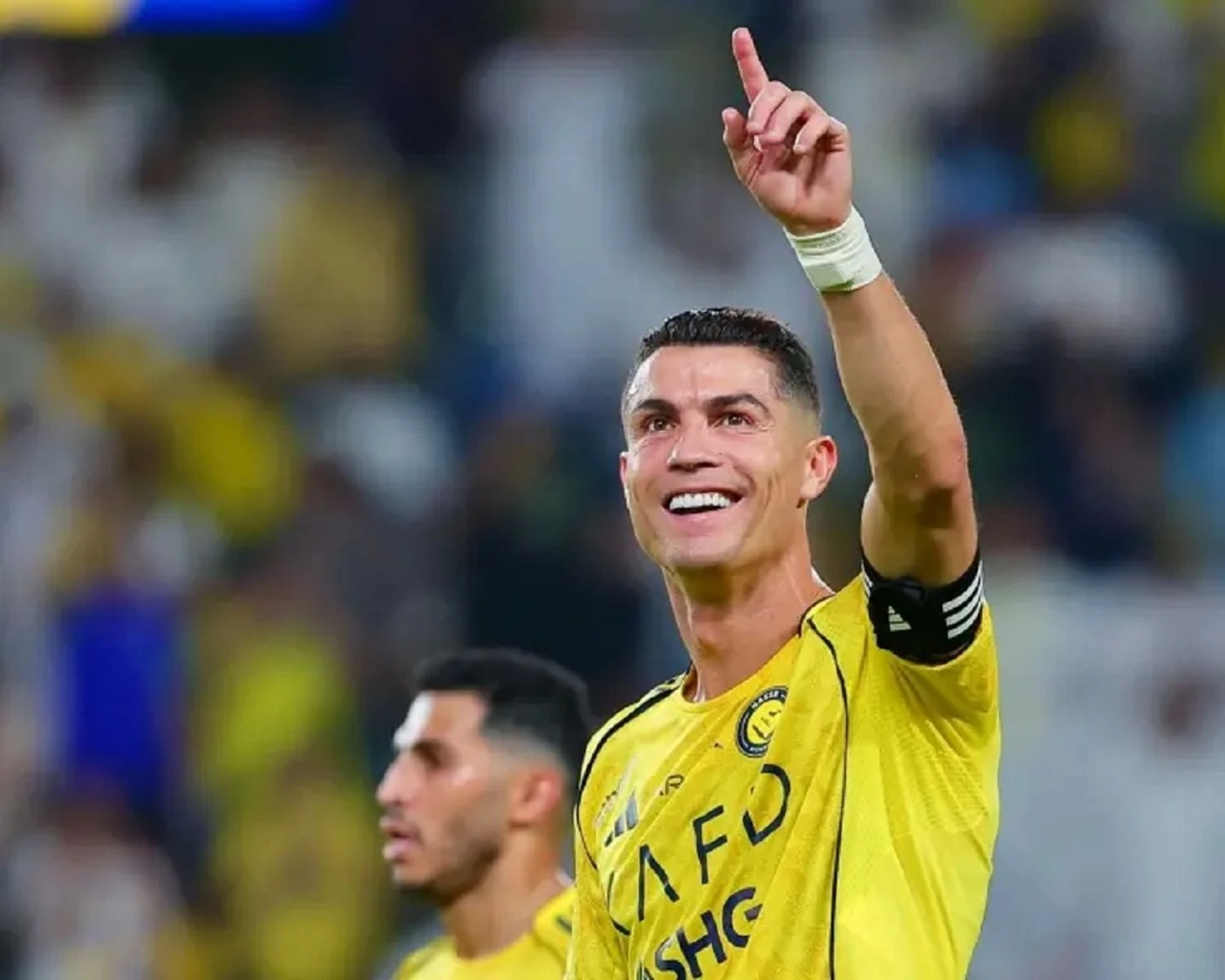
According to UNN citing Fichajes, Cristiano Ronaldo’s future at Al‑Nassr remains in question. The Portuguese star’s absence from one of the recent matches, sources say, was not due to injury but to the player’s principled stance regarding internal processes in the league.
"Ronaldo’s absence from the match was not due to physical problems, but due to a principled position regarding the imbalance of power and the transfer policy in the league."
— Fichajes (via UNN)
Reasons for dissatisfaction
Available information points to the role of the Public Investment Fund, which controls leading clubs, and recent transfers — notably the move of Karim Benzema to one of the competitors. Ronaldo, whose presence was an important marketing and sporting asset for the league, feels that his influence and expectations regarding a competitive environment are no longer being taken into account.
Possible consequences
The scenario of an early contract termination is not just a personal story. It is a signal to investors, clubs and players: if the project’s priorities shift from creating a balanced championship to concentrating resources within a narrow circle, stars’ motivation to stay will weaken. European clubs, media report, are closely watching developments — the most talked‑about option is Ronaldo’s return to Sporting, where his career began and which carries symbolic meaning.
What analysts say
Analysts note that even record contracts do not guarantee long‑term loyalty when a player’s key motivations are sporting challenges and recognition. So far there are no official confirmations of a split; instead media pressure is mounting, which could speed up negotiations between the parties.
Brief outlook
This story is worth attention not only for Ronaldo’s fans: it shows how the transformation of governance structures in professional sport affects market signals and trust. If a player of this calibre does leave, it will force the Saudi league to rethink its expansion model. The question now lies with the parties: declarations must turn into concrete steps, or market logic will return the player to Europe.
At present, neither side has officially confirmed a contract termination.