Remembrance Helmet at the 2026 Olympics: Heraskevych, the IOC Rule and a Debate Over the Limits of Memory
While the IOC cites Rule 50, a Ukrainian skeleton racer takes to the track carrying portraits of the fallen — a gesture that turns the sporting arena into a stage for an international discussion about memory and rules.

By Tetiana Suchkova-Ladik
February 10, 2026 · 2 min read
Briefly
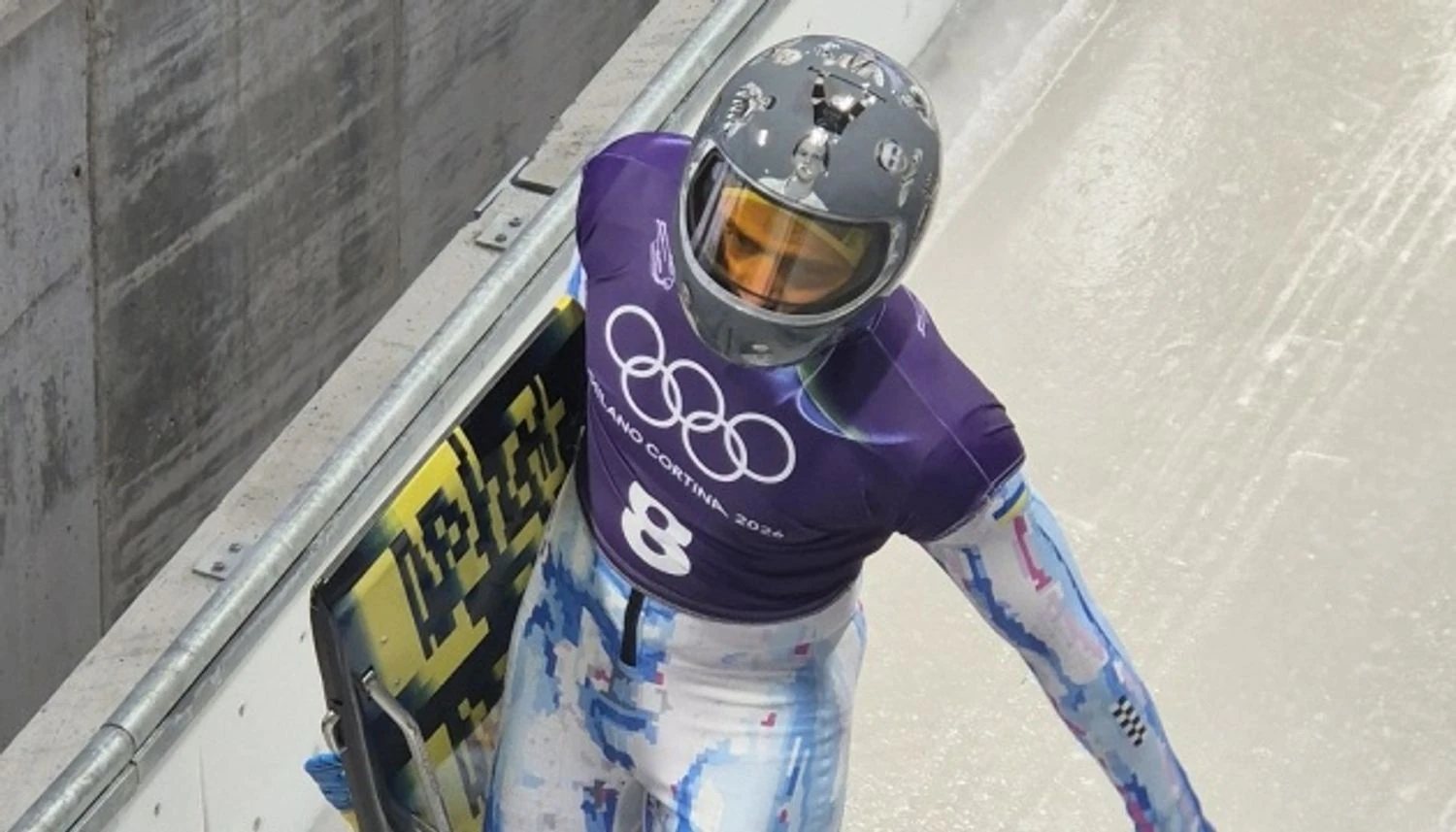
Vladyslav Heraskevych, a 27‑year‑old skeleton racer and the flag‑bearer for Ukraine at the 2026 Olympics, despite an official ban by the IOC again went out to train in the so‑called “helmet of memory”. It bore portraits of Ukrainian athletes and coaches killed during the Russian aggression — including Dmytro Sharpar, Pavlo Ishchenko and Oleksii Loniov. Reports of the training were published by UNN and Suspilne Sport.
Rule 50: why organizers are responding
The IOC cited Rule 50 of the Olympic Charter, which prohibits demonstrations or political propaganda in Olympic zones. For that reason organizers insisted that such a helmet could not be used in competitions or during official training; at the same time they offered an alternative — a black armband. The decision was framed as the application of a general rule to all athletes, but the Ukrainian case is what made it publicly visible.
"Any demonstrations or political, religious or racial propaganda are prohibited on any Olympic sites, arenas or other Olympic zones."
— Olympic Charter, Rule 50 / IOC
Why this matters for Ukraine
This is not just a case about an athlete’s equipment. For many Ukrainians the portraits of the dead are part of national memory and remembrance. When a sporting venue becomes a stage for these symbols, the question arises: where does politics end and human memory begin? Positions here are socially sensitive and can easily grow into an international debate about the freedom to express grief and mourning.
Reaction and public resonance
After the reports went public a flashmob “Memory cannot be banned” appeared online, and the NOC of Ukraine publicly responded to the IOC decision. This confirms the case has already gone beyond sport: it mobilizes support, shapes the narrative and creates a point of contact between the Ukrainian audience and the international community.
Consequences and remaining questions
Short‑term: Heraskevych continues to train, but his equipment may be more strictly controlled in official competitions. In the medium term: attention is being drawn to Ukrainian losses while international institutions are simultaneously being tested on how they will balance the apolitical logic of the event with the emotional, political realities of war.
In the long term this is a case about Ukraine’s brand on the international stage: can the situation be turned into a diplomatically balanced message about memory rather than a conflict over rules? And will the public resonance change organizers’ approaches to similar situations in the future?
Conclusion
Between the lines — it’s not only about the rule but about a choice: whether to allow international regulations to “normalize” someone else’s loss or to give it public weight. The question now is for the IOC and the international community: do rule restrictions effectively separate sport from politics when a painful reality of war stands behind them? The answer will affect not only one helmet but how the world views Ukrainian memory on global stages.