Suspilne refused to broadcast the opening of the 2026 Paralympics — a gesture against legitimizing Russia and Belarus
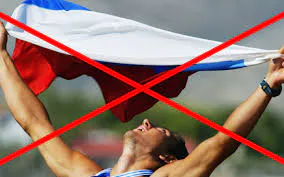
The public broadcaster will not air the opening ceremony because athletes from Russia and Belarus have been allowed to compete under their national symbols. It is a sign of solidarity with the Ukrainian Paralympic team; the competitions, however, will be broadcast. We analyze why the decision carries weight beyond the sporting arena.

By Tetiana Suchkova-Ladik
February 20, 2026 · 2 min read
Why this matters
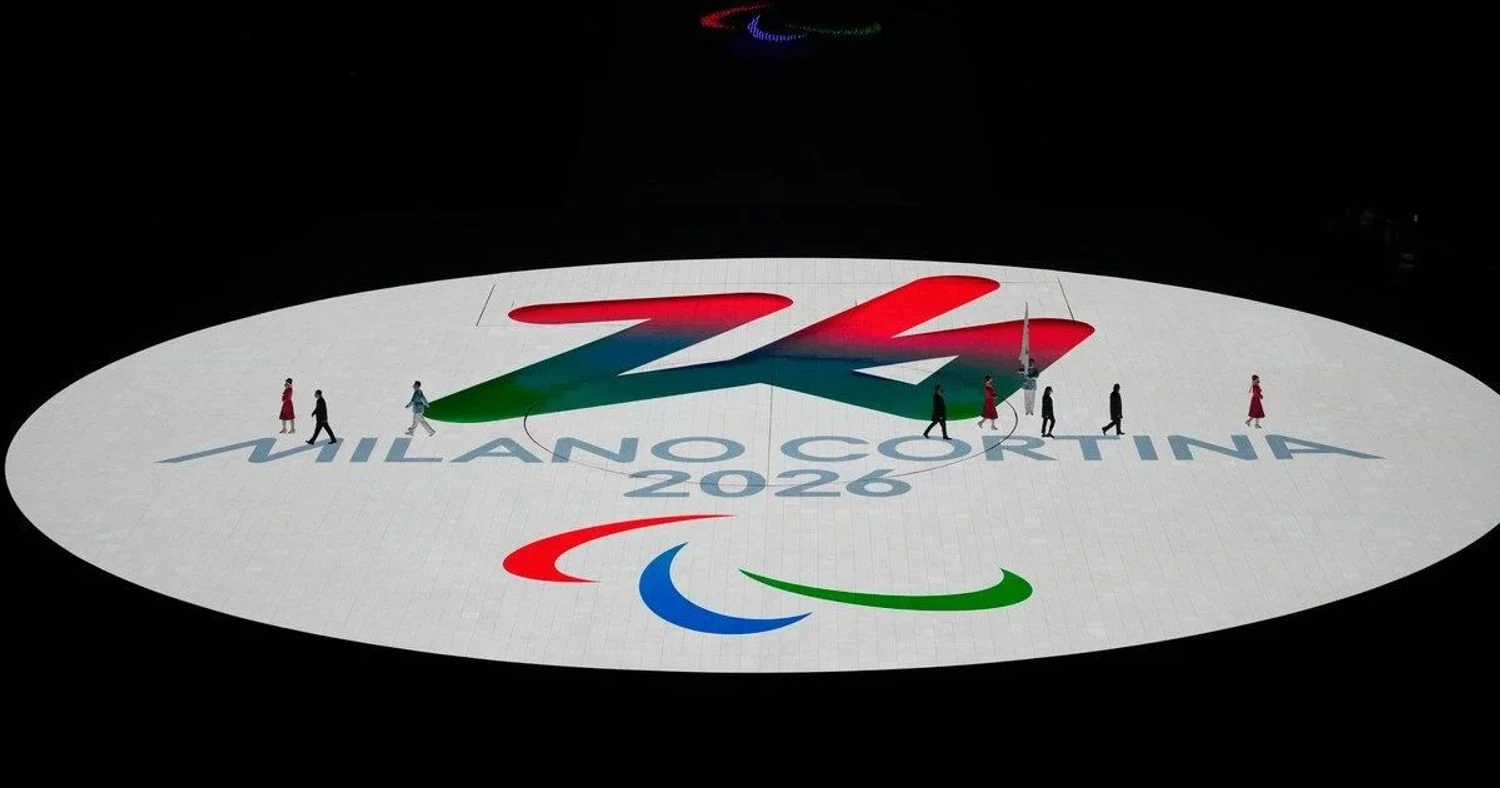
According to UNN citing Suspilne, the Ukrainian public broadcaster has decided not to air the opening ceremony of the XIV Winter Paralympic Games. The decision is tied to the admission of athletes from Russia and Belarus under their national symbols — a step Suspilne calls part of a systematic policy to legitimize these countries on the international stage.
Suspilne's position and Ukraine's reaction
Suspilne has officially and publicly supported the decision of the National Paralympic Team of Ukraine to boycott the opening ceremony. At the same time, the team confirmed its participation in the competitions taking place from March 6 to 15 — and Suspilne will broadcast the competitive events on Suspilne Sport and on local channels.
"This is a systemic policy of legitimizing the presence of Russia and Belarus on the world stage. For Ukrainian society, such a position is unacceptable"
— Suspilne (official statement, quote via UNN)
Context: why this is not only about a broadcast
The decision is about more than an emotional gesture. It is directed at international sporting bodies and public opinion: when an aggressor country returns to the podium under its own symbols, it blurs the lines between sport and political responsibility. Suspilne points to a number of cases that, in its view, confirm this trend — in particular citing an incident involving the disqualification of an athlete as an example of questionable decisions in international competitions.
International response and practical consequences
Suspilne is not alone: Estonian broadcaster ERR has also announced a boycott of events where athletes from Russia and Belarus will compete. Such a chain of decisions creates social proof — not just one country expressing disagreement with the admission policy.
What this means for the viewer
If you planned to watch the opening ceremony — it will not be on Suspilne's air. However, the competitive program will be available on Suspilne Sport and local channels. For many Ukrainians, what matters more than the ceremony itself is the principle: whether the presence of the aggressor is being legitimized in the public sphere of sport.
Summary
This decision is more than an emotional gesture. It raises questions for international federations and broadcasters: is the global sporting community willing to ignore the political consequences of its decisions? The next move is now up to those who set the rules and give a voice on international stages.