Tyson Confirmed a Fight With Mayweather — What It Means for Exhibition Boxing
Mike Tyson told TMZ that a fight with Floyd Mayweather will take place. It's not just a media spectacle — an event like this tests the market's rules, the audience's readiness, and the business model of major boxing events.

By Tetiana Suchkova-Ladik
February 14, 2026 · 2 min read
What happened
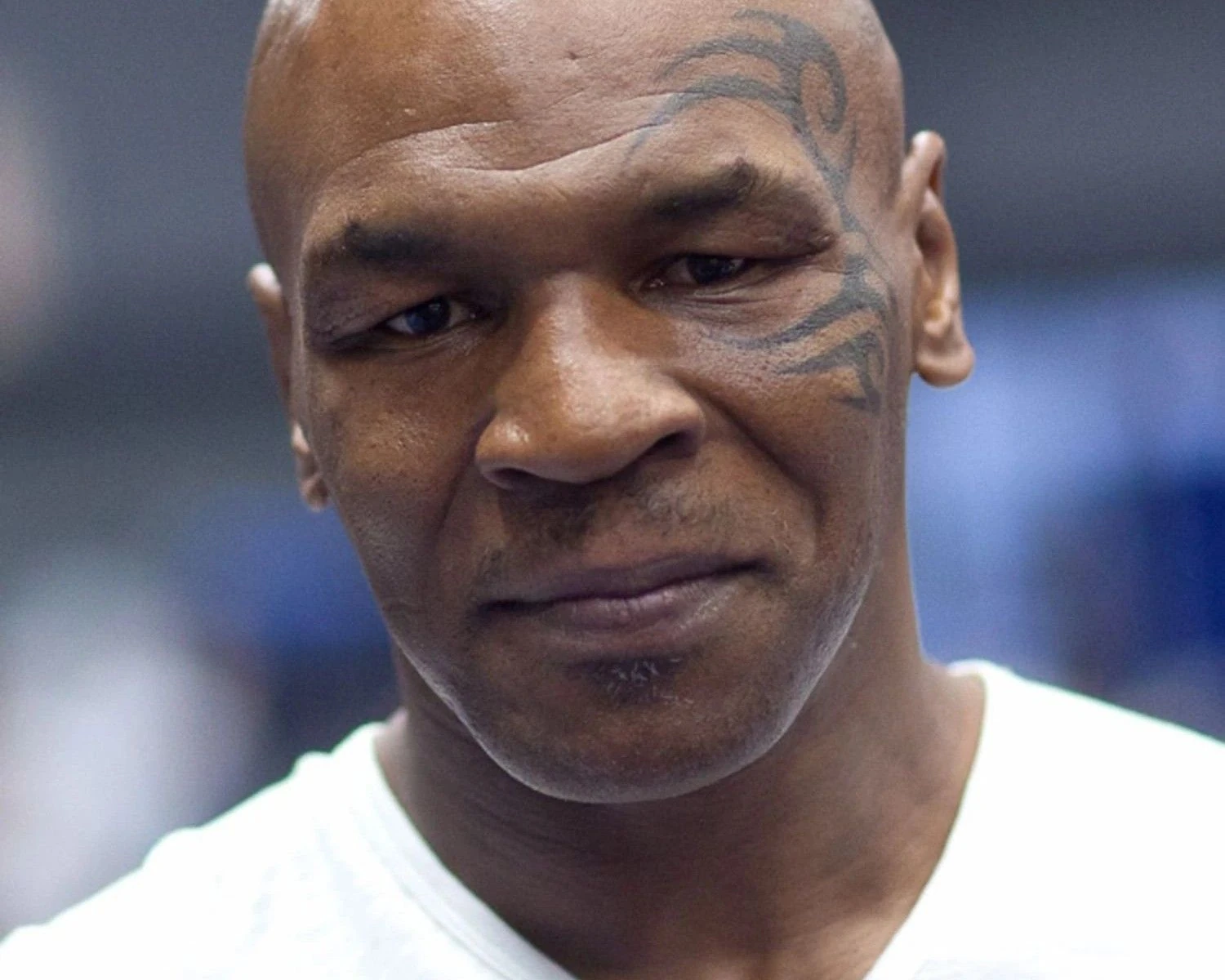
Mike Tyson confirmed to journalists at TMZ (reports UNN) that a bout with Floyd Mayweather Jr. “will happen.” Tyson, who will turn 60 in June, said he has slimmed down and feels physically well.
“Will the fight against Floyd happen? Hell yes — it will. Do you think I’m going to back down? I was minding my own business. Floyd challenged me.”
— Mike Tyson, boxer
Context: why this matters (and not just for fans)
In recent years, major boxing matches have become multimillion-dollar events with revenue streams from broadcasts, sponsors, and pay-per-view. Confirmation of a bout between such high-profile names is simultaneously a market experiment: a test of demand, revenue-sharing models, and the audience’s willingness to return to big shows.
Sports business analysts note that even fights with a “post-career comeback” element can generate large sums and create new contracts for promoters and fighters.
What we already know
Media previously reported plans to hold the bout in early 2026. In November 2024 Tyson fought blogger Jake Paul: the fight went eight rounds, and Tyson lost on points. For that event he earned roughly $20 million.
Risks and expectations
Even if officially confirmed, several key questions remain: the rules of the fight (types of gloves, round length), weight categories, the official date, and contractual guarantees. For organizers it's also a reputational test — whether media partners and advertisers will accept a format featuring veteran athletes.
Why this matters for Ukraine
Rising demand for major boxing events creates opportunities for Ukrainian athletes and promoters: increased attention to boxing means more airtime slots, new sponsorship offers, and a chance for young champions to showcase themselves on the global stage. It’s also a signal for Ukrainian organizers about which event formats are working now — from live broadcasts to sponsorship packages.
Conclusion
Tyson’s confirmation of a bout with Mayweather is more than another “star” matchup. It’s a trial of a business model, an indicator of demand, and a potential driver of investment in boxing. The key now is how organizers structure the terms: that will determine whether the fight becomes an example of a successful show or a belated attempt to revive interest.