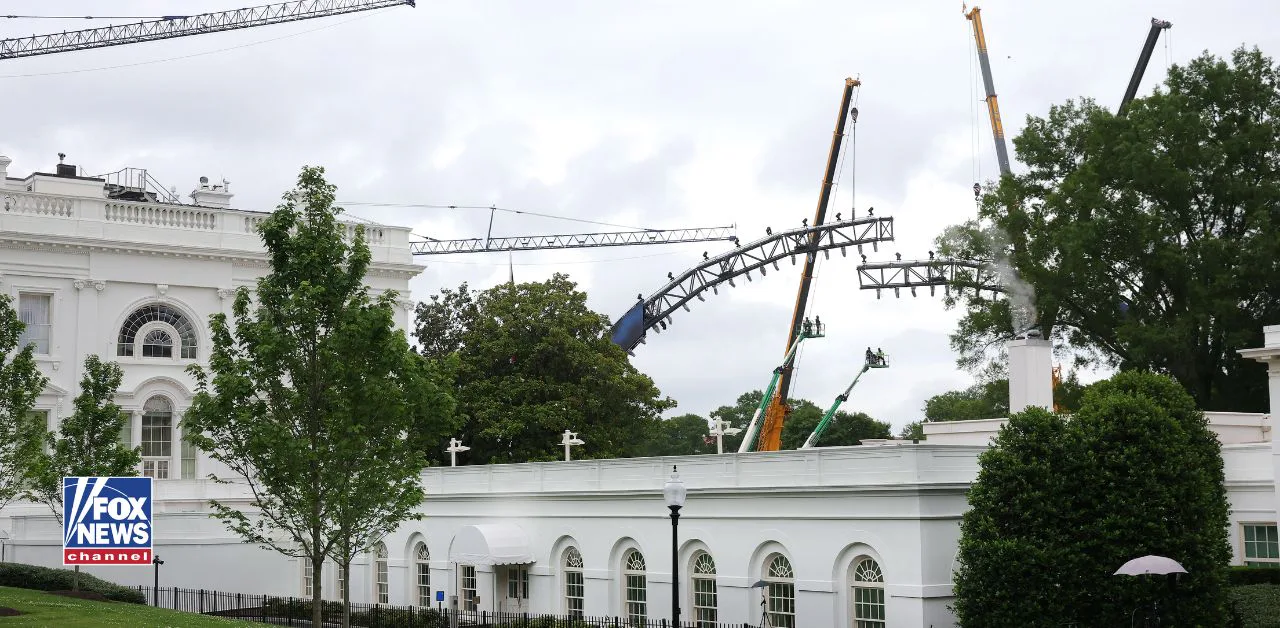
Trump turns the White House into an arena: sport as a tool to mark the United States' 250th anniversary
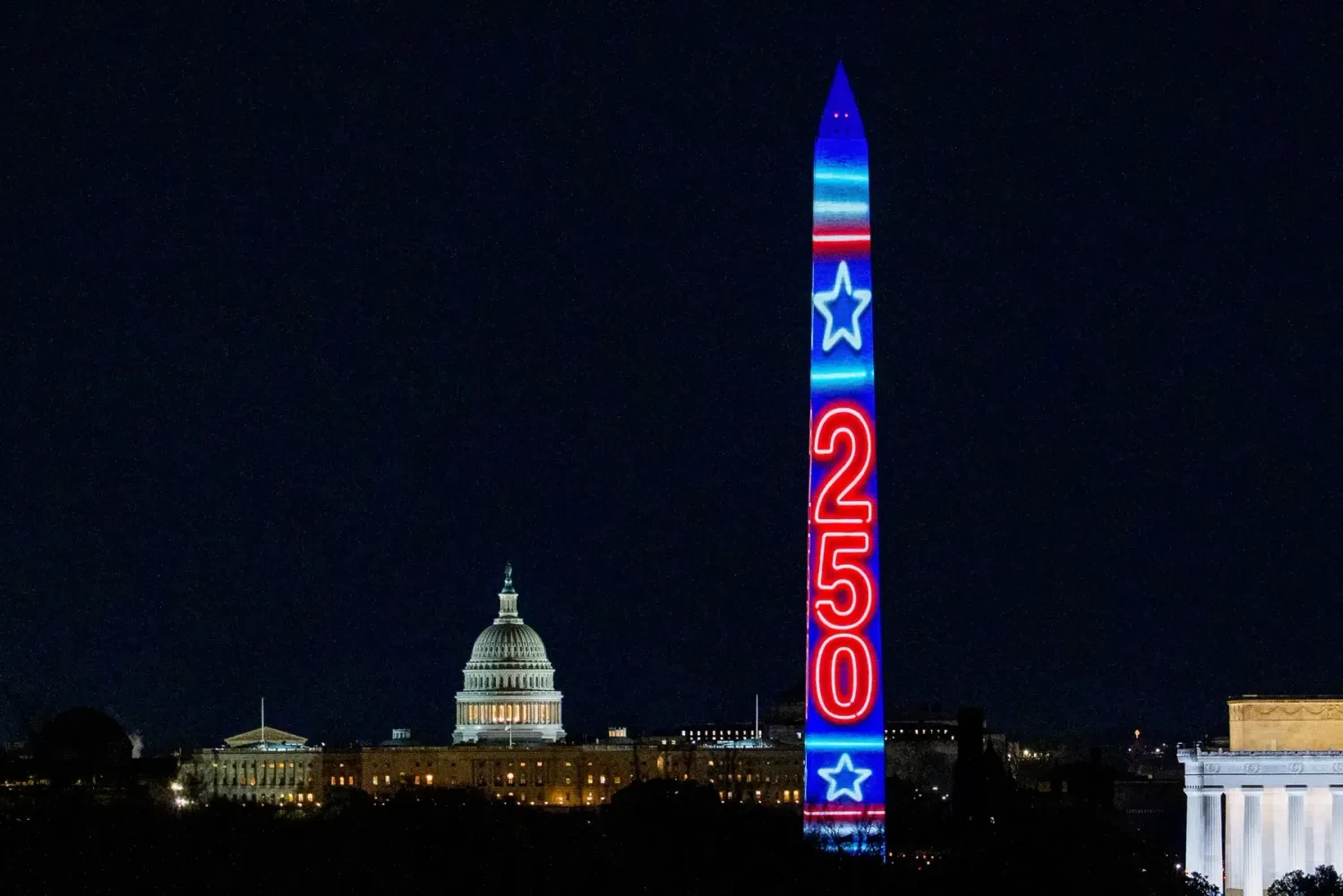
Leagues, the UFC and youth "Patriots' Games" are at the center of the "America 250" project. We explain why this matters for politics, the media and the nation's image — and what to expect next.

By Oleg Bazylewicz
January 23, 2026 · 2 min read
Why this is worth reading
The initiative to turn the federal sector into a venue for mass events is not mere showmanship. According to Bloomberg and Reuters, the administration plans a large-scale program involving leading sports leagues, making the project both a cultural and political signal. It affects the state's image, the allocation of attention and audiences — and has practical consequences for logistics and security.
Who is at the epicenter
According to Bloomberg and UNN, commissioners of the largest leagues are expected in the Oval Office: Roger Goodell (NFL), Adam Silver (NBA), Rob Manfred (MLB) and Gary Bettman (NHL). They will discuss holding special matches, memorial exhibitions and coordinating calendars to integrate sporting events into the annual program through July 4, 2026.
"Involving major sports brands makes the event instantly noticeable — it's not just entertainment, but a powerful communications project."
— Bloomberg analysts
UFC on the South Lawn and "Patriots Games"
A separate and most prominent initiative will be a UFC tournament on the White House South Lawn, scheduled for June 14, 2026 — a date that coincides with the president's birthday and Flag Day (Reuters). Also announced is a new format, the "Patriots Games" — four-day competitions for high school seniors, one boy and one girl from each state, set to take place in fall 2026.
Politics, audience, criticism
Analysts note that the project can mobilize large audiences and strengthen electoral positions among the young and sports-oriented segments of society. At the same time, critics compare the selection mechanics and spectacular format to popular cultural allusions — this is already sparking a discussion about the ethics and the instrumentalization of state resources for political ends (reports Reuters).
What's next
Now the keys are in the hands of organizers and partners: the leagues must coordinate calendars, the responsible agencies must ensure security and logistics, and Congress must discuss budgetary and legal issues. For the international observer, this is an example of how sport can serve as an instrument of state communication — with all its advantages and risks.
Questions for reflection: whether "America 250" will become a symbol of national unity or a tool of political mobilization will depend on the extent to which public declarations are turned into transparent agreements and operational decisions.