Transfermarkt: Yamal, Haaland and Mbappé valued at €200m each — what this means for Ukrainian football
Transfermarkt updated the ranking of the most valuable footballers: three stars at €200 million and a rise in the value of Ukrainian players — a brief look at why this matters for players, clubs and the national team.

By Oleg Bazylewicz
December 26, 2025 · 2 min read
Top prices: who leads
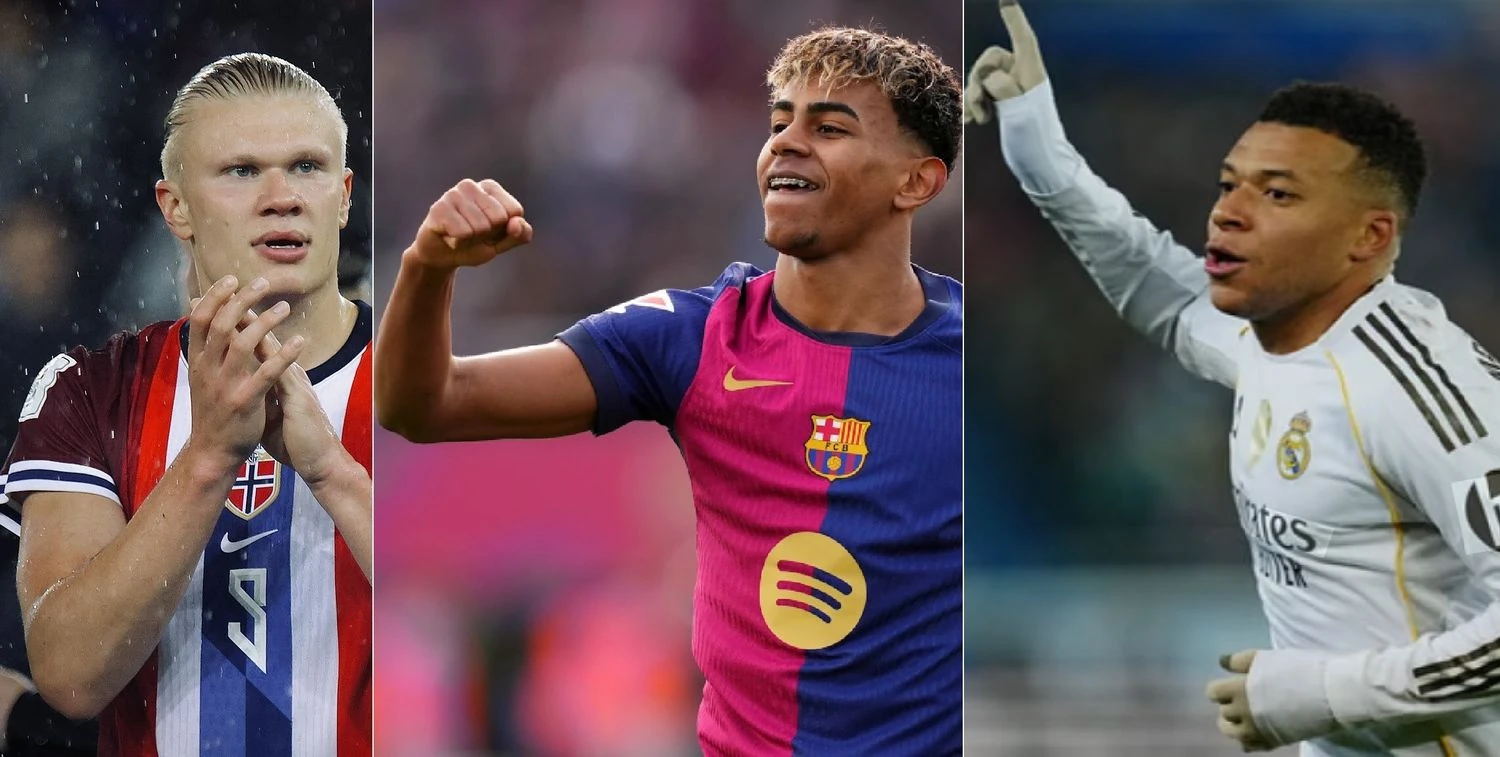
The portal Transfermarkt published an updated ranking of the most expensive footballers in the world. The ranking leaders are Lamine Yamal ("Barcelona"), Erling Haaland ("Manchester City") and Kylian Mbappé ("Real Madrid") — each valued at €200 million.
The top 10 also includes Jude Bellingham, Vinícius Júnior, Pedri, Jamal Musiala, Michael Olise, Bukayo Saka, Cole Palmer, Federico Valverde, Declan Rice and Alexander Isak — the list underscores how the big clubs are reshaping the market around young stars.
Ukraine on the market map
The most expensive Ukrainian in this ranking is defender of "PSG" Illia Zabarnyi — his market value is estimated at €50 million, giving him 105th place in the overall standings. Separately, according to CIES Football Observatory, Ukraine’s goalkeeper Anatoliy Trubin ranked 5th in the list of the world's most expensive goalkeepers with a valuation of €45.2 million.
“Transfermarkt published an updated ranking in which the top three are valued at €200 million”
— Transfermarkt, football portal
Why it matters
Rankings from Transfermarkt and CIES are more than just numbers. They act as indicators of market confidence: higher valuations prompt clubs to make serious offers, affect player insurance, marketing and contract negotiations. For Ukraine, it signals that our players remain competitive on the European market despite external pressures.
For young players and academies, it is also an important marker: investments in player development and infrastructure can quickly translate into real transfer revenues that support clubs and the development of youth football in the country.
What’s next
Expectedly, the market will remain dynamic: transfer-price inflation, competition among top clubs for young talented players and an increased role for analytics. Ukrainian clubs and agents would benefit from keeping focus on player development, contractual legal clarity and sound transfer strategy — this is the best way to turn market valuations into concrete benefits for football in Ukraine.
Brief conclusion
These rankings are not just about individual sums. They show that Ukrainian football holds active assets on the international market. The question is whether we can convert this attention into sustainable investments in infrastructure, development and conditions for bringing expert capital back home.