Ukraine's top three football leaders: how much Zinchenko, Dovbyk and Zabarnyi earn — and what it means
Zinchenko, Dovbyk and Zabarnyi earn from roughly €5 to €5.56 million gross per year. That's more than just numbers — a signal to the market, to investors and to the image of Ukrainian football in Europe.

By Tetiana Suchkova-Ladik
February 18, 2026 · 2 min read
Brief — the numbers that speak for themselves
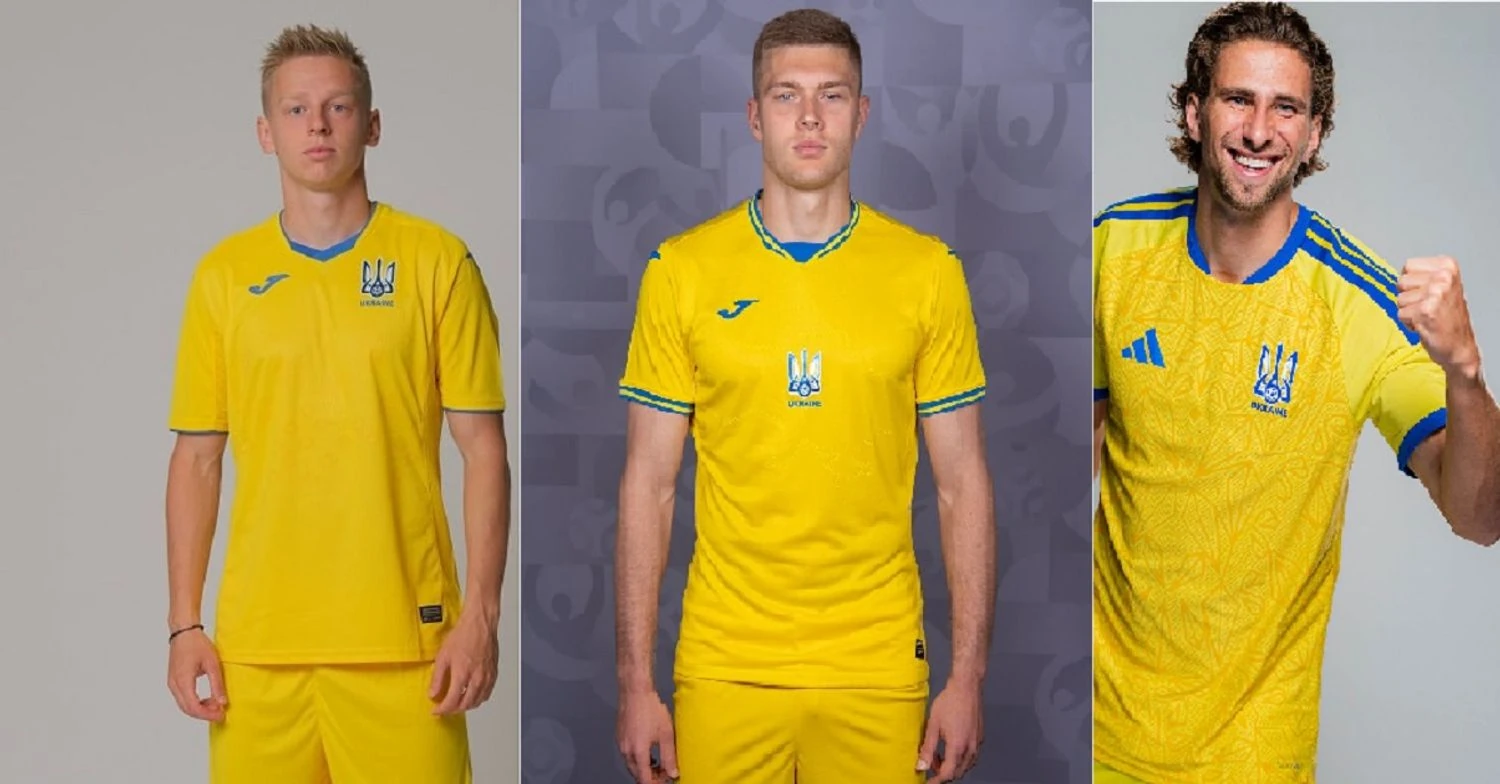
According to the financial portal Capology (via UNN), the highest base annual salaries among Ukrainian footballers in European clubs currently belong to Oleksandr Zinchenko, Artem Dovbyk and Illia Zabarnyi — in the range of approximately €5–5.56 million gross. These amounts do not include bonuses and commercial contracts, which can significantly increase players' actual incomes.
Who and how much
Oleksandr Zinchenko — Ajax (Amsterdam): about €5 million gross per year (~€96,000 per week). In his debut match for the Amsterdam club the defender suffered a serious injury, which may affect playing time and bonus payments.
Artem Dovbyk — Roma: approximately €5.56 million gross per year (~€106,900 per week). The contract runs until summer 2029; guaranteed payments under the agreement exceed €22 million, not including bonuses.
Illia Zabarnyi — Paris Saint-Germain: about €5.45 million gross per year (~€104,800 per week). The contract runs until 2030, and total payments under the agreement may exceed €27 million.
"Data from Capology record players' base annual salaries at European clubs; actual incomes are often higher due to bonuses and commercial deals. This is a typical trend for players with consistent performances in top leagues."
— Capology (in a UNN report)
Why it matters for Ukraine
These contracts are not only about individual income. First, they indicate the trust of major European clubs in Ukrainian players and coaching schools. Second, high salaries attract attention and investment: agents, scouts and sponsors watch the clubs and countries where the market for talent is rising.
Analysts note that such contracts can have a multiplier effect: transfer values of other Ukrainians increase, opportunities for commercial deals grow, and under favorable conditions part of the income can return as investments in youth academies and infrastructure.
What next
Numbers alone will not change the system — but they send an important signal. The question for Ukrainian football and those who manage it is: how to transform individual successes into systemic development (academies, coaching programs, veteran support and reinvestment in infrastructure)?
Additional reminder: the salaries shown are base gross annual amounts. Signing bonuses, performance bonuses and commercial contracts can make players' incomes much higher, and therefore clubs' positions and the player's health (injuries, rehabilitation) directly affect actual earnings.
Summary: these three names are more than personal success stories. They are a marker of the European market's trust in Ukrainian football and a potential resource for its rebuilding and modernization. How we use this resource is a strategic question.