Ukraine to boycott the 2026 Paralympics opening ceremony: symbolic protest and implications for international solidarity
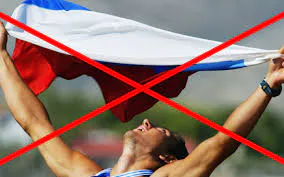
The National Paralympic Committee announced that the team will compete but will not take part in the opening ceremony. It is a tactical move — a protest against the admission of political symbols from Russia/Belarus and a signal to partners about the need for concrete action.

By Tetiana Suchkova-Ladik
February 20, 2026 · 2 min read
What happened
The National Paralympic Committee of Ukraine (NPC) announced that the Ukrainian Paralympic team will boycott the opening ceremony of the XIV Winter Paralympic Games 2026, but participation in the competitions themselves is confirmed. The information is being circulated by UNN based on the NPC's statement.
"The National Paralympic Committee of Ukraine states that the Ukrainian Paralympic team and the National Paralympic Committee of Ukraine are boycotting the opening ceremony of the XIV Winter Paralympic Games and demand that the Ukrainian flag not be used at the opening ceremony of the 2026 Paralympics."
— National Paralympic Committee of Ukraine
At the same time, the NPC emphasizes: athletes will participate in the competitions and the fight for medals will remain a priority. The statement also expresses gratitude to international partners for their solidarity in countering Russian aggression.
"We will fight for the sporting victories of Ukrainian athletes at the XIV Winter Paralympic Games, and together with athletes from other countries strive for principles of fairness in Paralympic sport..."
— National Paralympic Committee of Ukraine
Why this matters
The NPC's decision is not just a gesture. It responds to the concern of international partners following the International Paralympic Committee's decision, against which a European Commissioner called for a boycott of the ceremony due to the participation of Russia and Belarus. The Italian government publicly opposed the admission of athletes from these countries — and this creates a political context in which the Ukrainian move takes on significance as a form of quiet diplomatic pressure.
Consequences for athletes and Ukraine's international position
Practically: Ukrainian athletes will be able to compete and defend the country's honor during the competitions. Symbolically: the boycott of the ceremony is aimed at drawing attention to the principles of depoliticized sport and solidarity in Europe. The political effect will depend on the reaction of the Paralympic organizers and the international community — whether it will be a signal for changes in the approach to allowing political attributes, or only a temporary note of dissent.
What next? Now the ball is in the organizers' and the IPC's court: whether they will respond to the demands and whether international solidarity will turn into concrete rules or restrictions. For Ukraine, the key is to maintain a balance between supporting the athletes and defending the principles that make international sport a civilized space.