Ukraine boycotts the opening ceremony of the 2026 Winter Paralympics: record-sized delegation and a principled stance
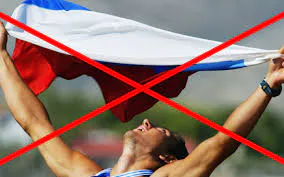
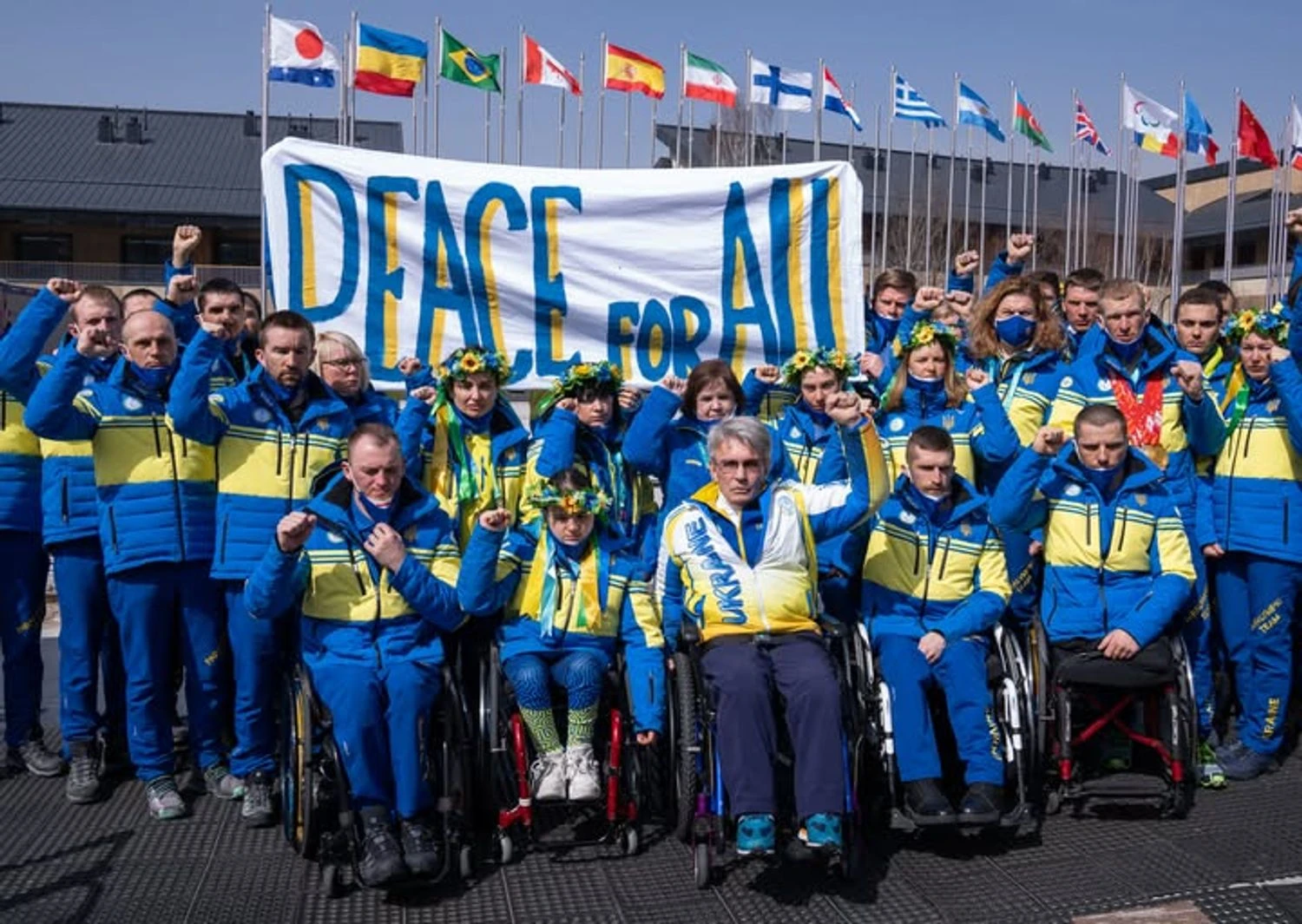
The Ukrainian team is heading to Verona with a record delegation — 25 para-athletes and 10 guides — but will not take part in the opening ceremony due to the admission of Russian and Belarusian athletes under their national flags. It's a signal — both sporting and diplomatic.

By Tetiana Suchkova-Ladik
March 6, 2026 · 2 min read
Ukraine's position: principle more important than visibility
From March 6 to 15, the 2026 Winter Paralympic Games will take place in Verona. Ukraine is heading to the Games with a record delegation — the team includes 25 para-athletes and 10 sighted guides, UNN reports, citing a post by the Ministry of Youth and Sports of Ukraine. Despite this, the delegation has decided to boycott the opening ceremony because athletes from Russia and Belarus were allowed to participate under their national flags.
"Because the organizers decided to admit representatives of Russia and Belarus under their national flags, the Ukrainian team will not take part in the parade of nations and will not appear in the video presentations during the opening ceremony."
— Ministry of Youth and Sports of Ukraine
The opening ceremony is planned to be held at an arena in Verona; the broadcast will also not be shown in Ukraine by the broadcaster "Suspilne Sport". At the same time, the athletes are preparing to compete and fight for medals — the team's focus is on competition, not ceremonial events.
International context: not a solitary step
The 2026 Games could become the largest in Winter Paralympics history — about 612 athletes from 56 countries are expected, with medals contested in 79 events across six sports. The Ukrainian boycott of the opening has been supported by other states: according to the Ministry of Foreign Affairs, Austria, Romania and Great Britain are joining the action. Such coordination gives the decision political and symbolic weight, not just a local character.
What this means for athletes and the state's stance
The decision to boycott the ceremony is a combination of a moral choice and a tactical move. On one hand, it reduces the delegation's visibility during the festivities; on the other, it sends a clear signal to the organizers and the international community about the impossibility of normalizing an aggressor's status without accountability. For athletes, preparation and results are more important: the team faces medal opportunities and personal stories that speak louder than any ceremonies.
Practical consequences: increased diplomatic pressure on the organizers and the International Paralympic Committee; strengthened solidarity with countries that share the principled position; risk of further polarization around the Games.
The ball is now in the organizers' and international partners' court: will they turn principled statements into concrete changes in rules and approaches to participation — and will sport remain a platform for genuine competition, not a tool of politics?