Ukraine at the Start of the 2026 Olympics: 46 Athletes, Zero Systemic Problems and a Clear Stance on “Neutral” Competitors
NOC reports: the delegation is fully accredited, logistics are functioning, medics are under constant monitoring. Why this matters more than a single day of competition and what it means for Ukraine's image during the war.

By Tetiana Suchkova-Ladik
February 6, 2026 · 2 min read
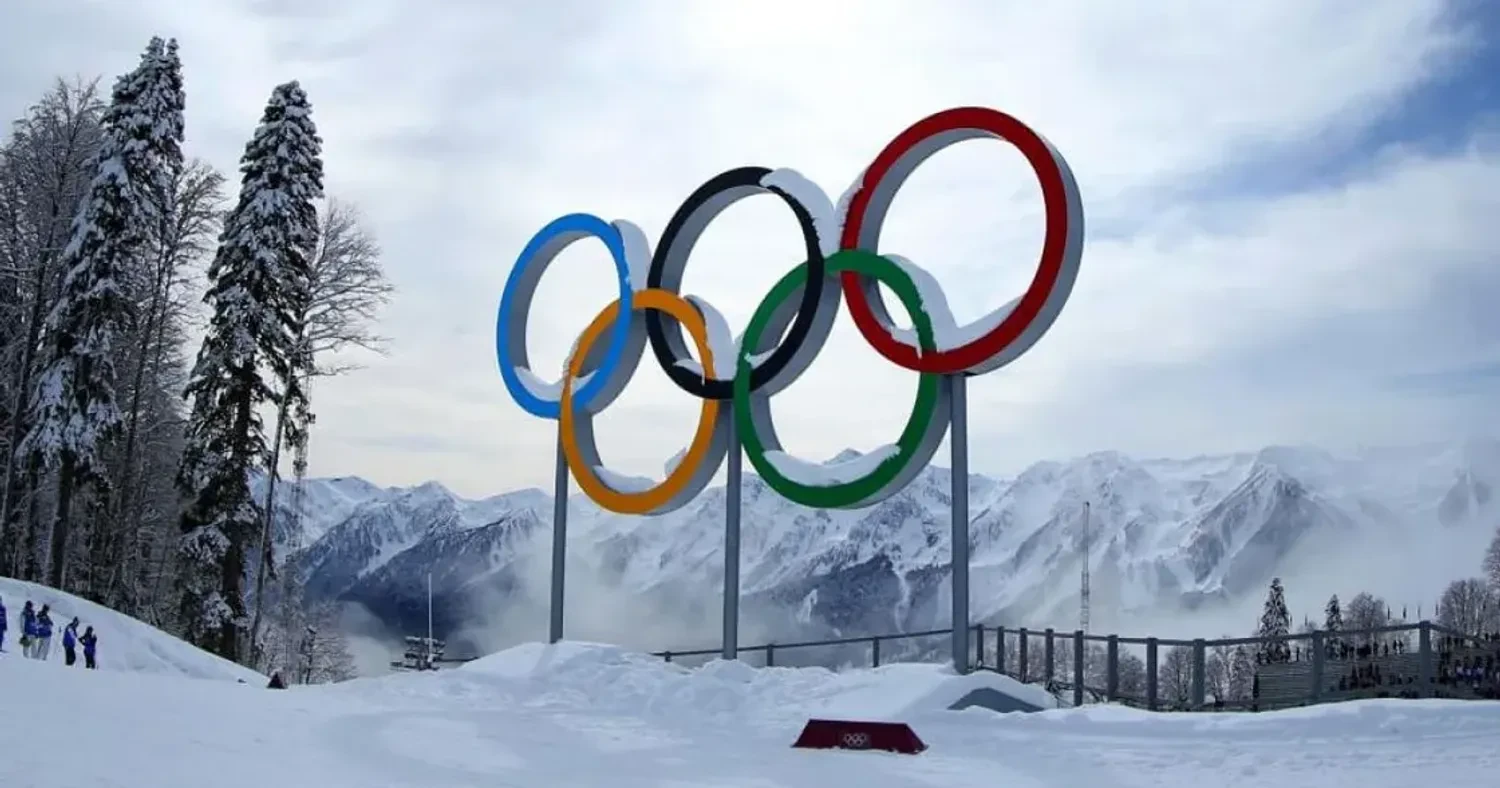
In the broad international context, the national team's participation is both a sporting start and a public affirmation of state stability. The NOC of Ukraine reports that preparation of the delegation for the 2026 Games proceeded according to plan: accreditations have been completed, logistics are functioning, and medical monitoring is on standby.
Who went and what this means
The Games will include 46 athletes — the largest Ukrainian delegation in the past 16 years. All those who have already arrived at the venues have completed accreditation and been cleared to compete according to the organizers' regulations. At the same time, other team members are arriving on schedule: for example, our biathlon team is already in a village near Anterselva, and figure skater Kyrylo Marsaka, together with his coach, arrived in Milan and was greeted by the Ukrainian diaspora.
Logistics and medical monitoring
As with any large competition, local snags appear at the start — but according to the NOC, all issues related to accommodation, transport and training locations are being resolved promptly in cooperation with the Games organizing committee. There are currently no systemic problems that could affect the team's performances.
"The athletes' health is stable: no injuries that would jeopardize participation in the events have been recorded. The medical staff is operating in a mode of continuous monitoring and readiness"
— Medical staff of the NOC of Ukraine
Position on "neutral" athletes
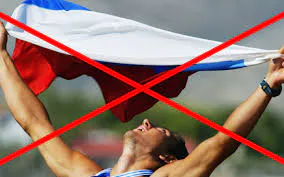
The Ukrainian delegation has received methodological recommendations from the Ministry of Youth and Sports and the NOC regarding communication during the Games. The practice is to avoid public gestures of interaction with the so‑called "neutral" athletes: joint photos, handshakes and informal conversations. This position is based on moral and political responsibility in the context of the ongoing armed aggression against Ukraine.
"Our position is principled: sport is outside politics in competition, but Ukraine's representation on such stages must reflect the moral position of the state"
— Press Service of the NOC of Ukraine
Why this matters and what’s next
First, full accreditation and the absence of threats to participation give athletes the necessary focus on results. Second, a large delegation is a signal to the international community about resilience and the normal functioning of systems during a crisis. Third, it is a test of logistics and medical protocols in real conditions, which can reveal small but critical shortcomings for performance.
Risks remain typical for large competitions: injuries, schedule changes, local accommodation glitches. However, the situation currently allows cautious optimism: the team is at the start, and support at home and abroad — both moral and practical — is in place. Now the task for athletes and coaches is to convert this preparation into concrete results on the tracks and arenas.
In short: the Ukrainian delegation is entering the Games confidently — without systemic problems and with a clear position regarding communication. This is not only about medals: it is about image and the state's ability to maintain stability in the most visible international window.