Zelensky awarded Heraskevych the Order of Liberty — a state signal after the IOC's disqualification
The President honored a skeleton racer for civic courage after the IOC decision — this is not only recognition of a personal stance but also a clear signal from the state to domestic and international audiences. We examine why this matters and what could come next.

By Tetiana Suchkova-Ladik
February 12, 2026 · 2 min read
An award as a state gesture: what stands behind Decree No. 119/2026
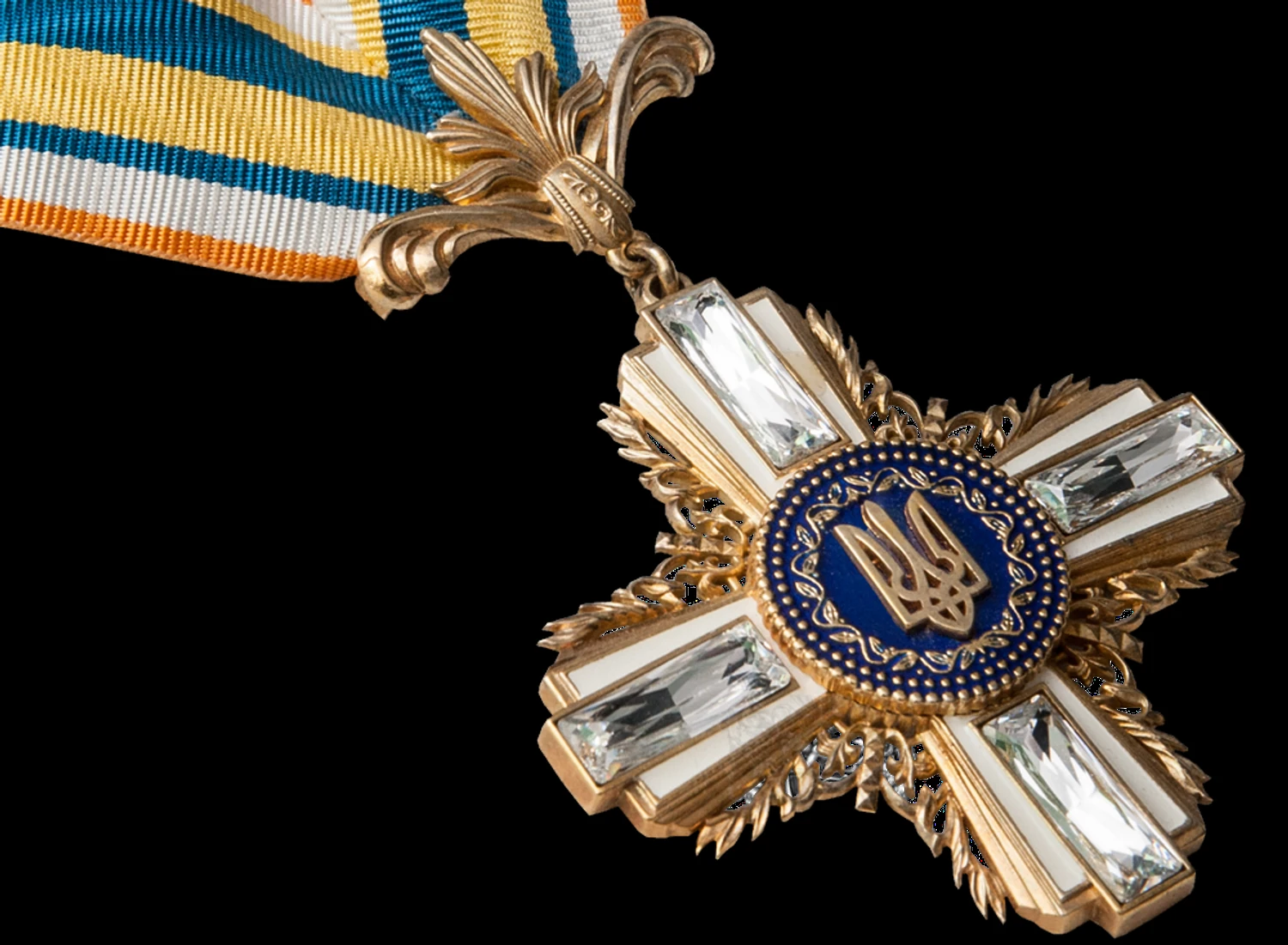
By Presidential Decree of Ukraine No. 119/2026, Vladyslav Heraskevych was awarded the Order of Liberty “for selfless service to the Ukrainian people, civic courage and patriotism in defending the ideals of freedom and democratic values.” This decision was announced after the high-profile disqualification of the athlete at the 2026 Olympics.
The IOC stripped Heraskevych of the right to compete before the first run over his “memory helmet” — an item the athlete explained as a tribute to fallen Ukrainian athletes and heroes. The athlete has already stated his intention to appeal the decision to the Court of Arbitration for Sport (CAS).
"This IOC decision is morally appalling."
— Volodymyr Zelensky, President of Ukraine
"Disqualification is the price of dignity."
— Vladyslav Heraskevych, skeleton racer
Why this matters: first, the award is a clear domestic message — the state supports its athlete not only in words but with one of its highest distinctions. Second, it is a tool of external pressure: official recognition makes the case more public and adds weight to the arguments during an appeal at the CAS and in the court of public opinion.
Experts note that such steps rarely change rules instantly, but they establish a precedent in relations between nation-states, athletes and international sporting institutions. For readers, this is a matter of dignity and the protection of the right to remembrance — and at the same time an indicator of how Ukraine defends its symbols even in world sport.
What comes next — an appeal to the CAS, international attention and political confrontation over the IOC's institutional approach to symbolism during competitions. Whether this will be enough to overturn the decision, or whether the award will remain primarily moral recognition — the answer depends on the legal arguments at the CAS and the reaction of the global sporting community.
Now the move is with the courts and international institutions: will the declaration of support turn into the restoration of the right to compete — or will the case remain symbolic?