"No risk" for 2026 World Cup fans — how Mexico responded to unrest
After a wave of arson attacks and roadblocks sparked by the death of a cartel leader, President Claudia Sheinbaum and FIFA insist the tournament in Mexico will go ahead. We unpack what happened, what guarantees the authorities are offering, and what it means for fans and infrastructure.

By Tetiana Suchkova-Ladik
February 25, 2026 · 2 min read
For now, attention is focused on the headlines
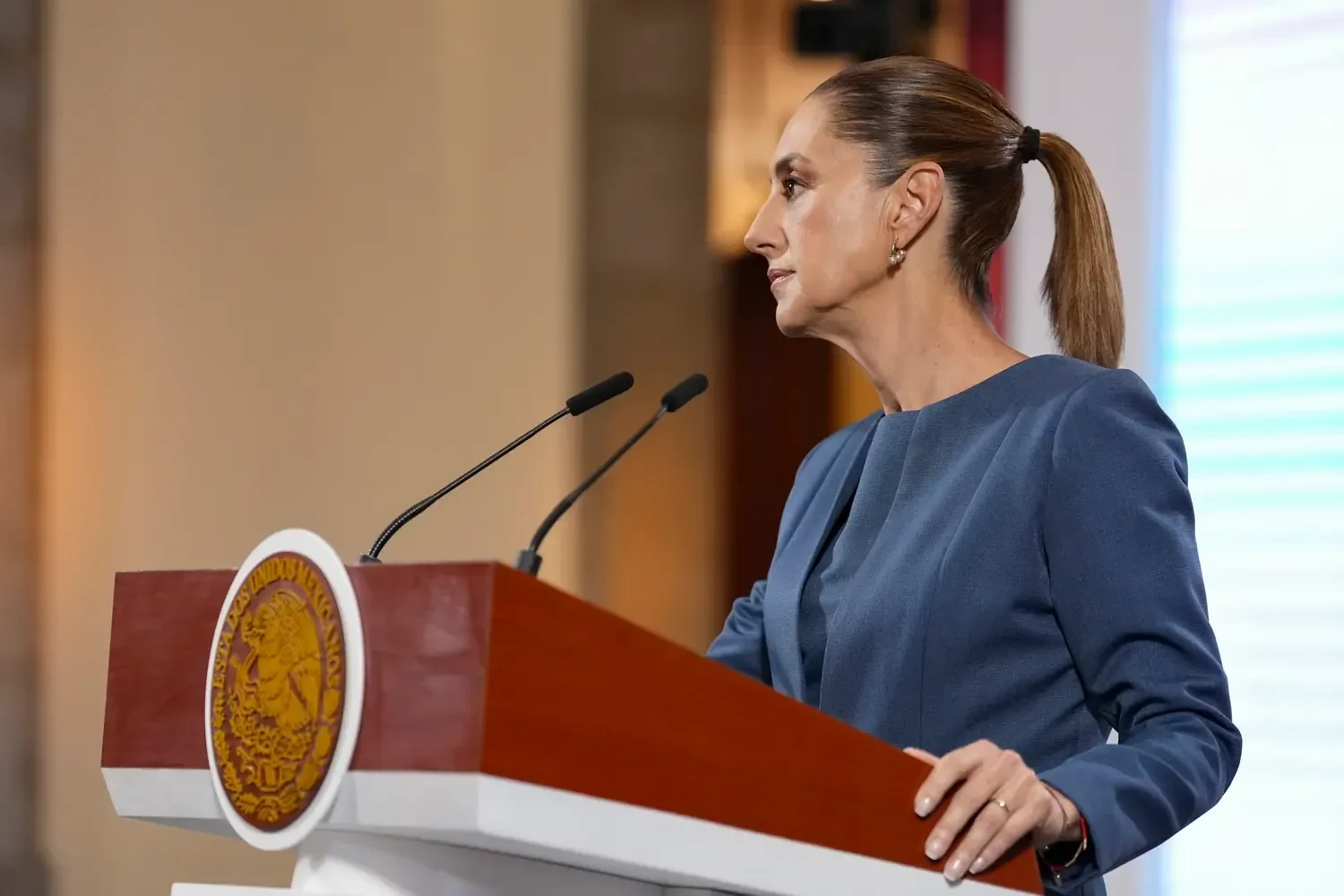
After a series of arson attacks and roadblocks triggered by the operation to capture and the death of drug cartel leader Nemesio Oseguera (known as "El Mencho"), Mexico's president Claudia Sheinbaum and FIFA representatives say there is no threat to fans planning to come to the 2026 World Cup. According to Reuters and UNN, the situation is under control, but the consequences of the security operations are still being felt in several states.
Timeline of events
During a military raid on Sunday, security forces killed Oseguera. In response, cartel supporters coordinated a series of attacks in five states — from roadblocks to the arson of buses and shops, notably in the state of Jalisco. Local leagues postponed some Sunday matches as a precaution.
Authorities' position
Sheinbaum emphasized that the government has provided "all guarantees" of security for matches in Mexico City, Monterrey and Guadalajara and that the situation is "normalizing" as security forces work to restore order. She also noted that arrests or detentions of suspects can provoke reactions, but the authorities' aim is peace, not escalation.
"There is no risk to fans coming to the country for the World Cup"
— Claudia Sheinbaum, President of Mexico
FIFA reaction
FIFA president Gianni Infantino told reporters he feels "very calm" about holding the tournament and expressed confidence in its success. A representative of the organization confirmed that FIFA is closely monitoring developments and is in constant contact with federal, regional and local authorities.
"Everything will be fine"
— Gianni Infantino, FIFA President
"We will continue to follow the actions and guidance of various government agencies... and reaffirm our close cooperation"
— FIFA representative
What this means for fans and stadiums
Mexico will host 13 of the 104 matches of the tournament; 4 of them in Guadalajara. Jalisco Governor Pablo Lemus confirmed that three stadiums remain in the program and that planned regional events will go ahead. For foreign fans, this means the main risk component — short-term local disturbances — should remain outside international venues provided security coordination is strengthened.
Context and consequences
Sheinbaum is continuing the approach of her predecessor Andrés Manuel López Obrador, favoring social programs over direct confrontation — the well-known slogan "hugs, not bullets." At the same time, history shows that arrests of high-ranking cartel figures are often accompanied by short-lived outbreaks of violence, as has already happened in Sinaloa. This is the dynamic that official reassurances from the government and FIFA seek to address — to minimize risks for international guests and to protect investments in infrastructure.
Conclusion
Statements from Sheinbaum and FIFA provide an important initial line of reassurance, but visible steps will be critical for fans: strengthened border and transport corridors, operational police coordination and information for foreign visitors. Whether these guarantees will be translated into concrete operations on the ground is the key question in preparing for the summer of 2026.