Zinchenko out for rest of season: knee surgery after injury in match against Ajax
Ukraine midfielder Oleksandr Zinchenko suffered a knee injury in the home match against Fortuna Sittard — the club reports he will require surgery and a lengthy rehabilitation. We examine what this means for Ajax, the national team and the player himself.

By Tetiana Suchkova-Ladik
February 16, 2026 · 2 min read
Briefly — why this matters
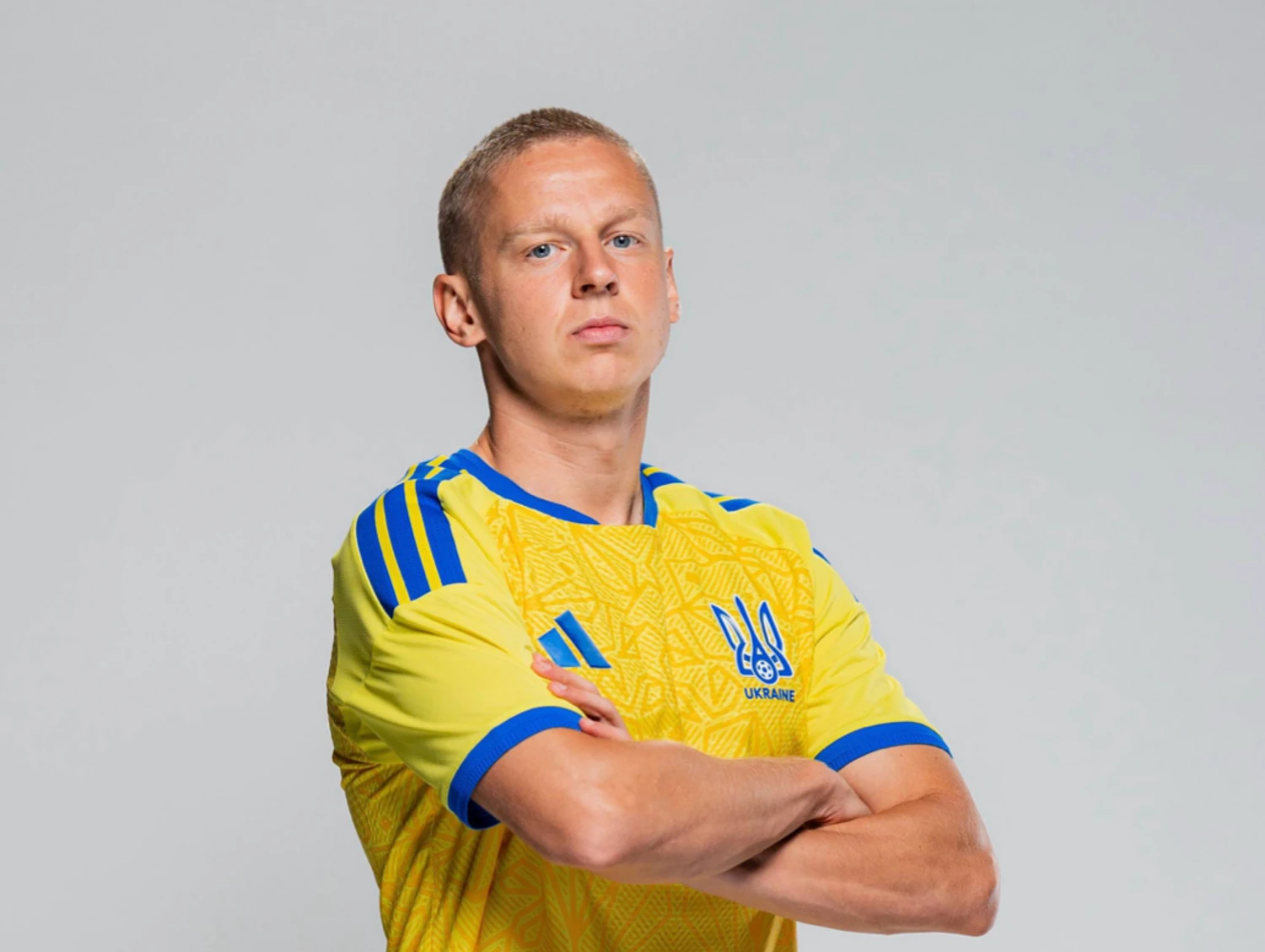
According to the Ajax press service and UNN, Oleksandr Zinchenko is out for the rest of the season due to a knee injury sustained in a Dutch league match against Fortuna Sittard. A surgery and a lengthy recovery period are required — this directly affects Ajax’s squad plans and reduces available options for the Ukrainian national team for upcoming matches.
What happened
The incident occurred in the 3rd minute of the home match at the Johan Cruyff Arena (14 February). According to the club, the knee was injured after a challenge by opponents’ forward Dimitrios Limnios; Zinchenko was substituted in the 6th minute. Ajax won 4–1, but for the player the match marked the start of a long layoff.
“Oleksandr Zinchenko has been ruled out for an extended period. Examinations showed that surgery is required.”
— Ajax press service
Medical perspective and practical consequences
The club reports a scheduled operation in the near future and subsequent rehabilitation. Although the exact diagnosis is not detailed in the public statement, knee surgeries typically require several months of recovery — therefore participation in the current season is excluded. For the reader this means: instead of emotion — attention to the recovery process, because quality rehabilitation will determine how quickly and fully Zinchenko returns to play.
Context: transfer and role in the teams
Zinchenko moved to Ajax from Arsenal on 1 February 2026 for $1.5 million and made his debut at the end of February, replacing Owen Wijndal. For Ajax this alters plans for the second half of the season: the team will lose an experienced outfield player with international experience. For the Ukrainian national team — the loss of a versatile player able to operate in midfield and defense, which will require a review of rotation and tactical options by the coaching staff.
What’s next
The Ukrainian Association of Football has already sent the player wishes for a speedy and thorough recovery. What matters now are concrete steps rather than loud words: timely surgery, professional rehabilitation and proper medical support. For fans and experts this is a test of the player-support system — from the club to the national medical team.
“It will take place in the near future. After this, the 29‑year‑old player faces a long period of rehabilitation, which means he will no longer play this season.”
— Ajax press service
Summary: this is not just an individual loss — it is a signal to Ajax and the national team that they must adapt quickly while avoiding rushed decisions about the player’s return. The question is not only the date of return, but what his performance level will be after rehabilitation.