Winter Games 2026: Ukraine’s flag at the opening will be carried by Sydorko and Heraskevych — what it means
The XXV Winter Olympic Games officially opened in Milan. We explain who is representing Ukraine at the opening ceremony, where this is happening, and why it matters today.

By Tetiana Suchkova-Ladik
February 6, 2026 · 2 min read
Briefly
The XXV Winter Olympic Games officially opened in Milan and will run until February 22. The opening ceremony brought together athletes and delegations from around the world in a combined format: key events are taking place in Milan, simultaneously with separate locations in Cortina d'Ampezzo and other towns hosting competitions. (Source: UNN)
Who represented Ukraine
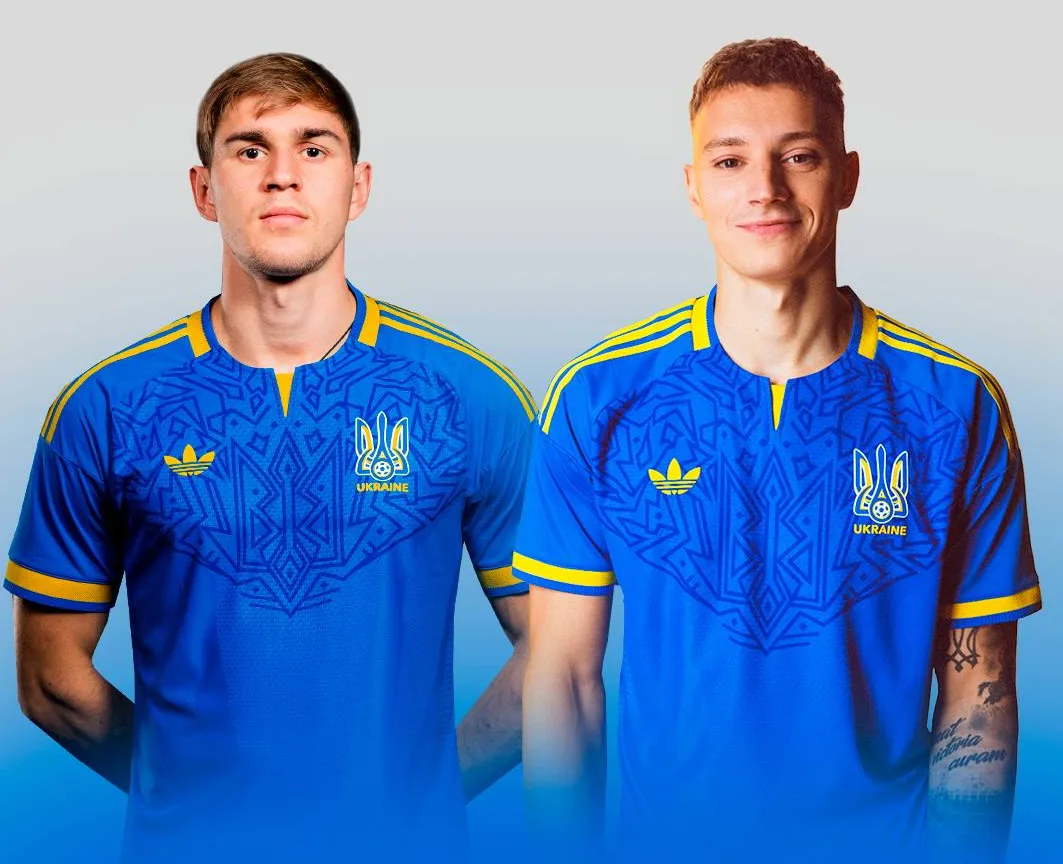
At the San Siro stadium, the Ukrainian flag during the ceremonial parade was carried by Yelyzaveta Sydorko — a speed skater who places our team among the notable participants of the Games. At the same time in Cortina d'Ampezzo the symbolic role was carried by Vladyslav Heraskevych, the national team's skeleton racer. In the host towns of the competitions — Livigno and Predazzo — Ukraine was presented by snowboarder Annamari Dancha and ski jumper Yevhen Marusiak, who carried placards reading “Ukraine” during the teams' procession.
"The participation of the Ukrainian team at such venues is not only a sporting event, but also a way to show our country to the world during a difficult time."
— National Olympic Committee of Ukraine
Why it matters
Flag-bearers are not just a ritual: they are a form of visibility and a sign of stability. At a time when the world's attention to Ukraine has strategic importance, the participation of our athletes on the main Olympic stages serves two goals at once: moral support at home and a diplomatic/cultural presence abroad. Experts note that even symbolic moments enhance the perception of the state in the global context and create additional opportunities to draw attention to the needs of sport and civilian support.
What's next
The ceremony only opens the two-week marathon of competitions: the first events featuring Ukrainians will begin in the coming days. For the fan, this raises a simple question — who should be followed first? The list of our participants by specific disciplines and the schedule of starts is available on the official websites of the International Olympic Committee and the National Olympic Committee of Ukraine. We will follow the results: medals are the goal, but right now visibility and support for our athletes on the international stage are more important.