UAH 1,500 for veterans' sports: apply in Diia by January 20
The state is moving part of social support into digital mode: veterans can receive UAH 1,500 for a gym or sports club — but applications must be filed in "Diia" by January 20. We explain who is eligible and how quickly the funds will arrive.

By Tetiana Suchkova-Ladik
January 2, 2026 · 2 min read
Brief and to the point
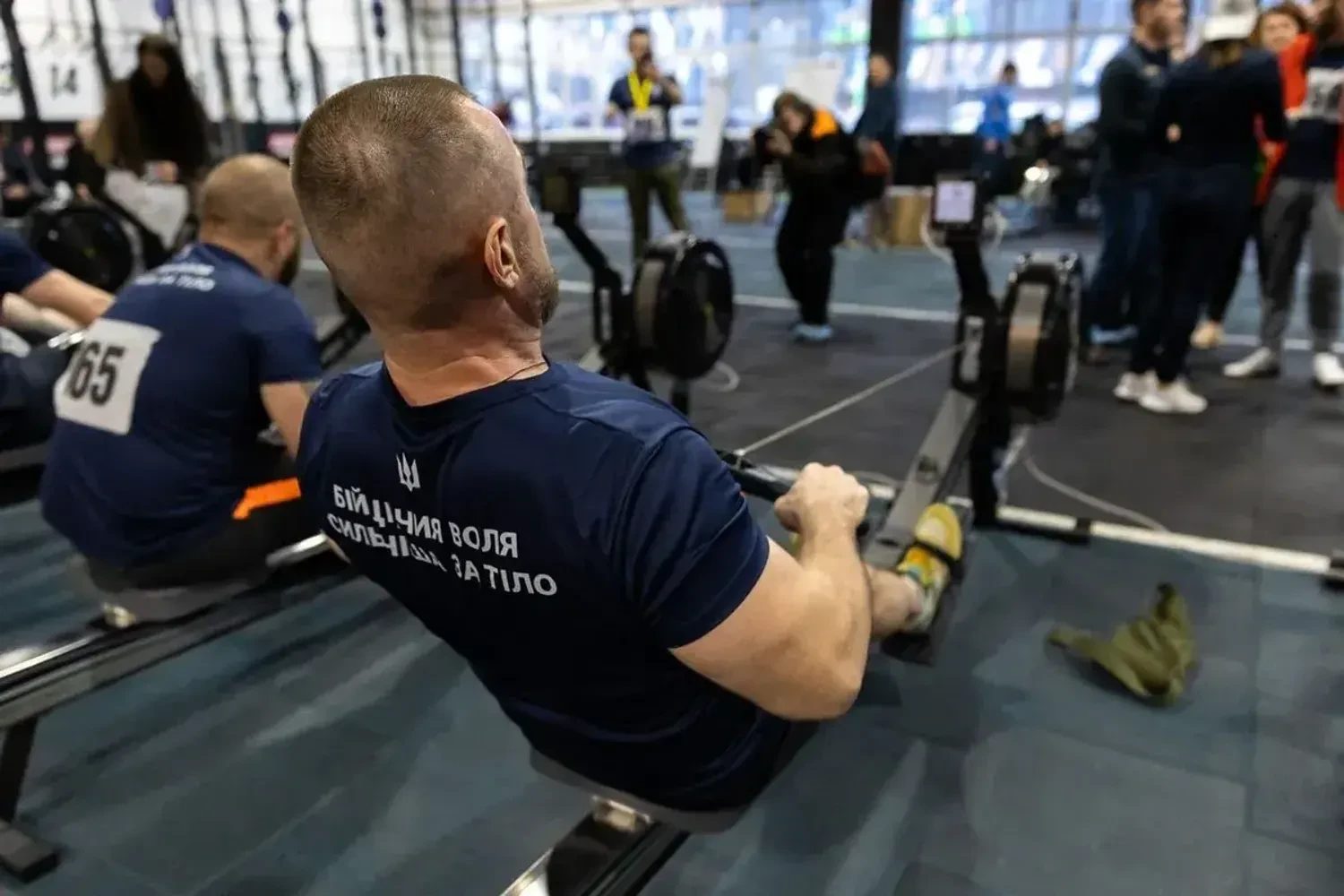
A new quarter of the “Veterans' Sport” program has started. Veterans can receive 1,500 UAH to pay for gyms, sections, and clubs — provided they submit an application in the Diia app by January 20. Mykhailo Fedorov reported this on Telegram; the information was also conveyed by UNN.
“A new quarter of the Veterans' Sport program is starting. Submit your application through Diia by January 20 and receive 1,500 UAH to pay for gyms, sections, and clubs. If you have already received the payment — the money will be transferred to your Diia.Card automatically. The program is available to all veterans. You only need the taxpayer identification number, status as a participant in hostilities (UBD) or status as a person with a disability due to the war, and a Diia.Card.”
— Mykhailo Fedorov, First Vice Prime Minister — Minister of Digital Transformation
How to apply
The procedure is simple and designed for Diia users:
- open Diia → Services → Veterans' Sport;
- select the Diia.Card for receiving the funds;
- confirm and submit the application by January 20.
Payment timing and details
Funds are credited to the Diia.Card within 6 working days. If you have already received a previous payment, the next one will be credited automatically to the card. Unused funds are returned to the budget, after which the participant can submit an application again.
Why this matters
This is not just a one‑time financial help. The program combines social rehabilitation and digital logistics: a small amount provides an incentive for regular physical activity, while payments through Diia reduce administrative barriers. Experts note that such initiatives are a marker of how the state is scaling services online without losing targeted support.
What to do now
Check in Diia for your status (participant in hostilities/UBD or disability due to the war) and your taxpayer identification number. If you meet the conditions — submit your application by January 20 and monitor the crediting to your Diia.Card. This simple action today can support your workouts in the coming months.
Source: Mykhailo Fedorov's Telegram; reported by UNN.