Adaptive Badminton for Veterans: The Racket as a Rehabilitation Tool and a Path to International Podiums
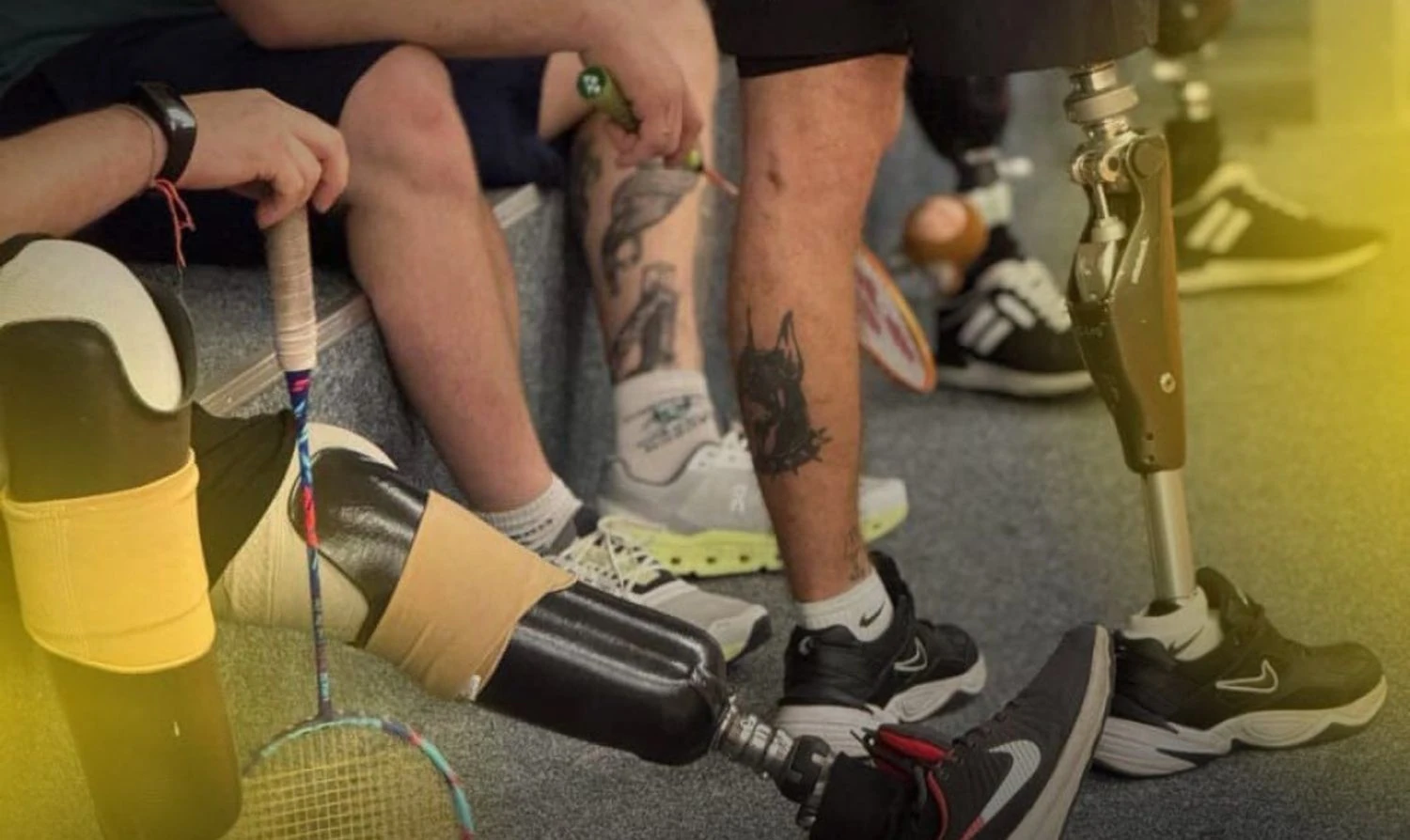
The General Staff has described adaptive badminton as an effective means of recovery for injuries, musculoskeletal conditions and PTSD. Combined with state support, it is not only rehabilitation but also a chance for a sporting career. We explain how it works and what to do next.

By Tetiana Suchkova-Ladik
January 4, 2026 · 2 min read
General Staff: a simple and practical alternative for rehabilitation
According to UNN, citing the General Staff of the Armed Forces of Ukraine, adaptive badminton has been called "the fastest racket sport," which is well suited for veterans (both men and women) of the Russian‑Ukrainian war. This assertion is timely: the combination of accessible sport and support programs provides concrete opportunities for physical recovery and psychological adaptation.
"Badminton is an official Paralympic sport. European and World Championships and international tournaments are held regularly. It can open a new goal for you — to follow the path from training in the gym to podiums on the world stage. Or you can simply have a great time with friends and family."
— General Staff of the Armed Forces of Ukraine
Why it matters: rehabilitation, focus and social integration
Physical recovery. Adaptive badminton is recommended for amputations, spinal cord injuries, and musculoskeletal impairments — you can play using prostheses or in a sports wheelchair, working on strength, coordination, and endurance.
Psychological effect. The game requires concentration — it provides a break from anxious thoughts and helps reduce PTSD symptoms if sessions are carried out systematically and under professional supervision.
Social and professional perspective. Paralympic status and international tournaments create a pathway not only for personal development but also for representing the country in competitions — from leisure to a serious sports career.
Who it’s suitable for and when not to start
The game is suitable for veterans (both men and women) with various forms of limb injuries, gait problems, or limited joint mobility, as well as those working on psychological rehabilitation. At the same time, there are clear medical contraindications:
- acute pain syndrome or recent injuries that require rest;
- unhealed wounds, active inflammatory processes, thromboses, or serious cardiac disorders;
- uncontrolled seizures or severe neurological conditions;
- recent traumatic brain injuries.
"Important: You should begin sessions only after your condition has stabilized and with the permission of your doctor or rehabilitation specialist."
— General Staff of the Armed Forces of Ukraine
How to access assistance: "Veteran Sport" and practical steps
A new quarter of the "Veteran Sport" program has started in Ukraine: veterans can receive 1,500 UAH to pay for sports halls. Applications are accepted until January 20. This is a real, low‑threshold opportunity to begin training with minimal costs.
What to do next: consult a doctor or rehabilitation specialist; find adaptive sports sections or volunteer organizations in your region that work with veterans; submit an application for "Veteran Sport" by the stated deadline.
Summary: from rehabilitation to new goals
Adaptive badminton is not just exercise. It is a combination of physical therapy, psychological work, and the opportunity to return to social life with a new goal. With medical safety and state support, this tool can become an important part of the journey from treatment to competing on the international stage. The next step is simple and concrete: consult a specialist and submit an application for the support program.