1,940 apartment buildings in Kyiv without heating after Russian strikes — where the worst damage occurred and how repairs are progressing
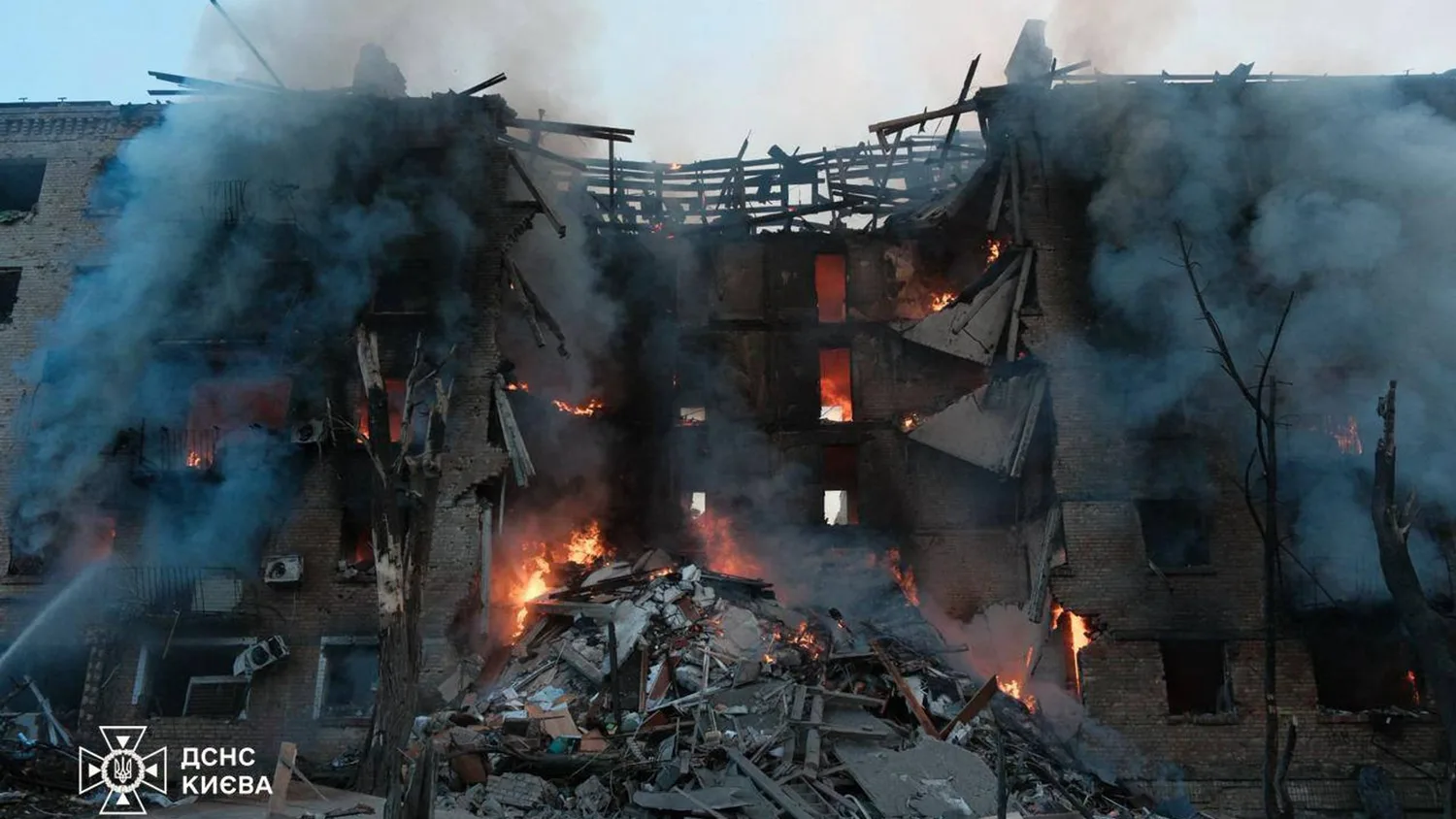
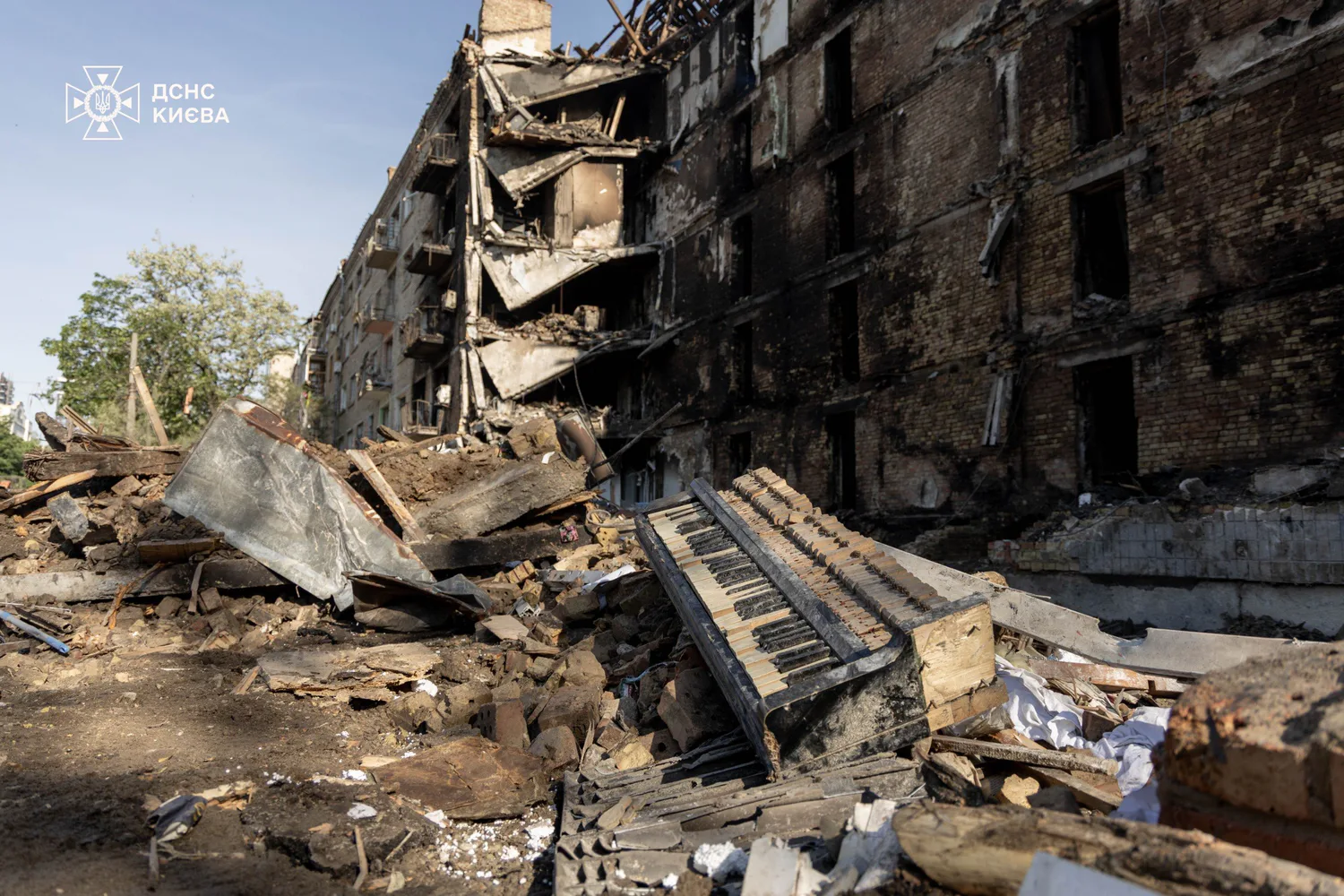
After the attacks on January 9 and 20, 1,940 buildings in Kyiv remain without heating. We examine which districts were hardest hit, what municipal utility crews have already done, and why this matters for residents this winter.

By Tetiana Suchkova-Ladik
January 23, 2026 · 2 min read
Brief
In Kyiv, after the missile strikes on January 9 and 20, 1,940 apartment buildings remain without heat supply, Mayor Vitali Klitschko reported on Telegram, citing data from communal services and UNN. Overnight, crews restored heating to more than 650 additional buildings and continue working.
"As of this morning, 1,940 apartment buildings still remain without heat supply; they are being reconnected for the second time after enemy attacks on January 9 and 20. Most of these buildings are on the city's left bank, in the Pecherskyi district, and some are in the Holosiivskyi and Solomianskyi districts."
— Vitali Klitschko, mayor of Kyiv (Telegram)
Where the biggest problems are
The largest number of outages has been recorded on the left bank and in the Pecherskyi, Holosiivskyi and Solomianskyi districts. This concentrates repair work for brigades and increases the load on certain sections of the heating networks.
What has been done and what is being done
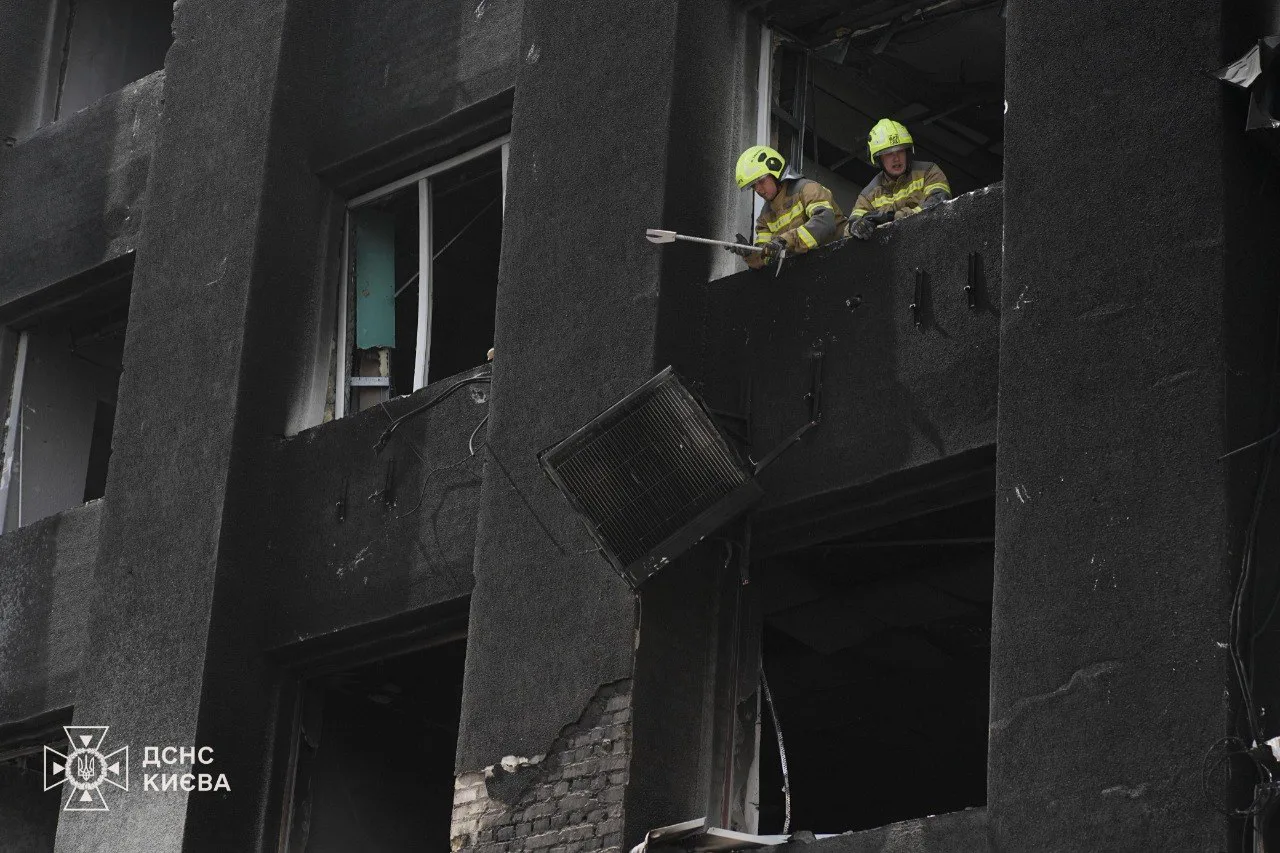
Communal services and energy workers restored heating to over 650 buildings overnight — a sign of swift mobilization of resources. Work continues: network diagnostics, replacement of damaged sections, and staged reconnection of subscribers following safety procedures.
Context and consequences
Prime Minister D. Shmyhal stated that the power system endured one of its most difficult days since November 2022. Attacks on the energy sector have not only temporary technical consequences — they affect the daily lives of millions, create additional risks for vulnerable groups, and require not only repairs but also strengthened network protection over the long term.
What this means for residents
Heating outages are not only a matter of discomfort. They raise safety concerns (especially for the elderly and families with children), logistical issues (replacement of appliances, access for repair crews) and financial burdens (costs for emergency measures and network restoration). City authorities ask residents to follow official announcements and contact the appropriate services in case of emergencies.
Conclusion
Restoring heat in the majority of buildings is the result of rapid work by crews and coordination among services. At the same time, the strike revealed the vulnerability of critical infrastructure and served as a reminder of the need to invest in network protection. The task now is to complete restoration and minimize the risk of repeated large-scale outages in the coming weeks. Whether there will be sufficient resources and time for this is a question that determines residents' safety this winter.