1,100 homes in a day: how Kyiv is restoring heating after an attack on infrastructure
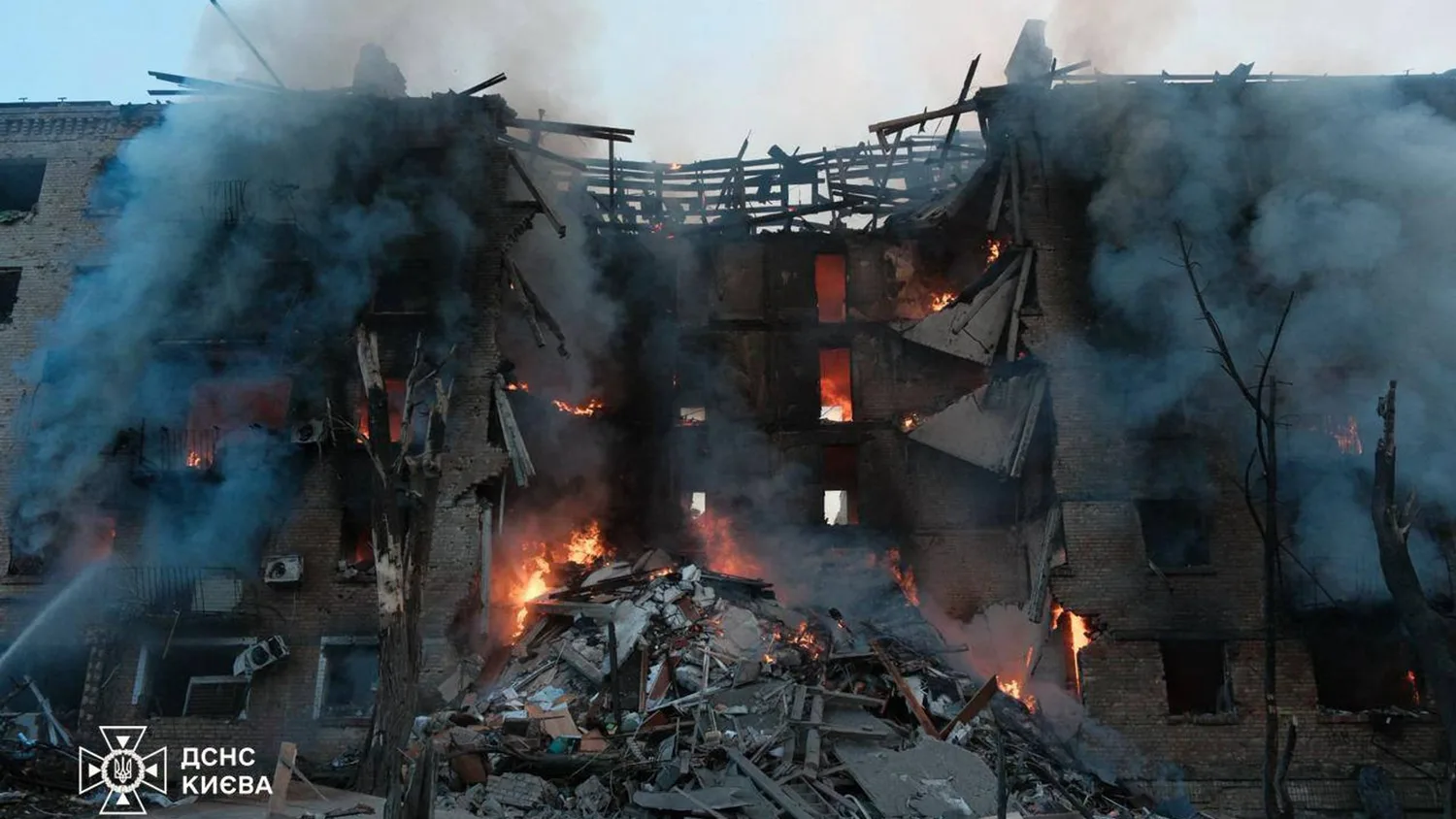
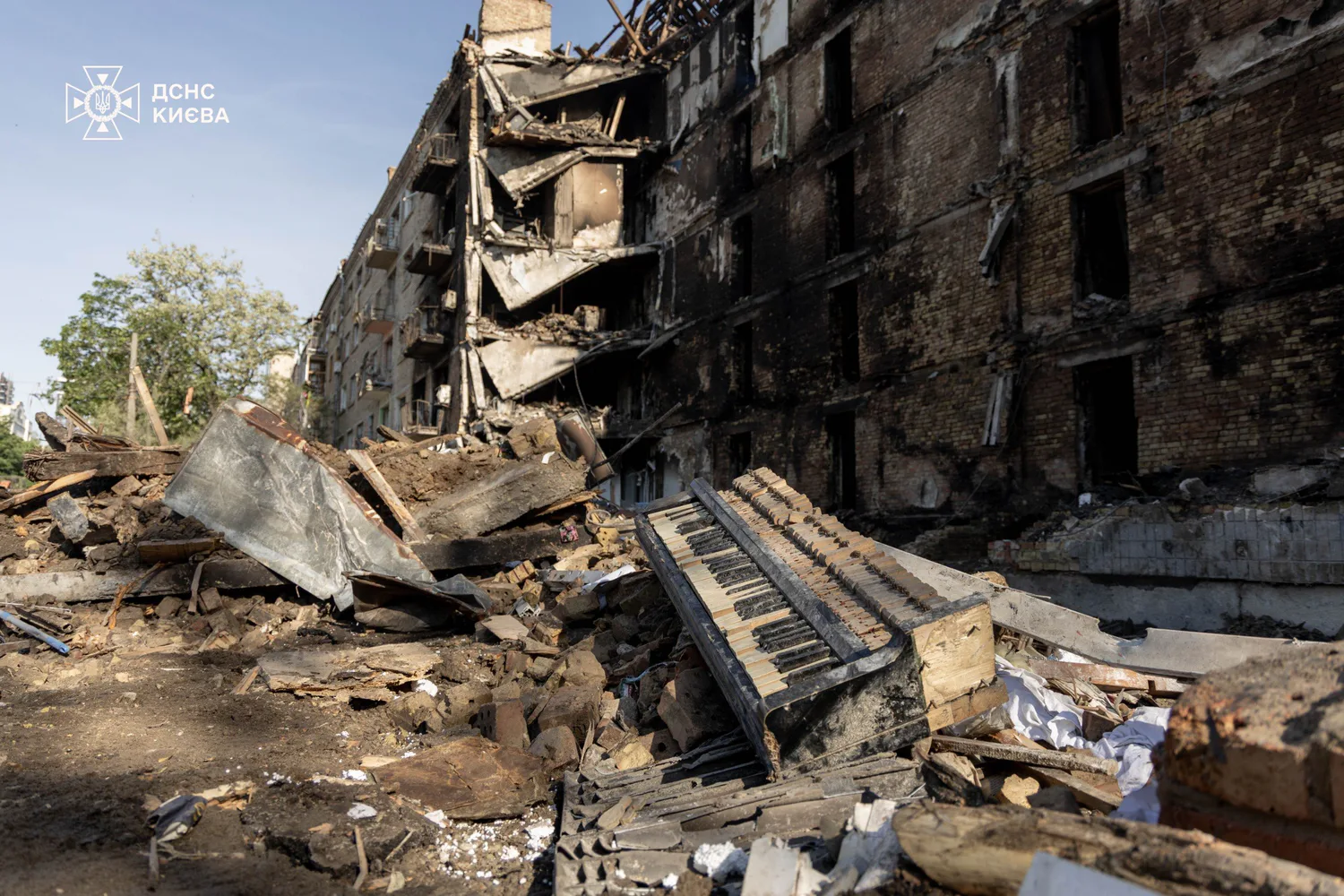
City authorities say that within 24 hours heat was restored to a further 1,100 apartment buildings — bringing the total to 1,500 of the 2,600 buildings left without heating after the February 12 shelling. We examine what this means for Kyiv residents and what challenges remain.

By Tetiana Suchkova-Ladik
February 15, 2026 · 2 min read

Quick facts
In Kyiv over the past 24 hours, heating was restored in 1,100 apartment buildings. This was reported by Mayor Vitali Klitschko, as quoted by UNN. In total, heat has been returned to 1,500 of the 2,600 buildings that lost supply after the infrastructure attack on February 12.
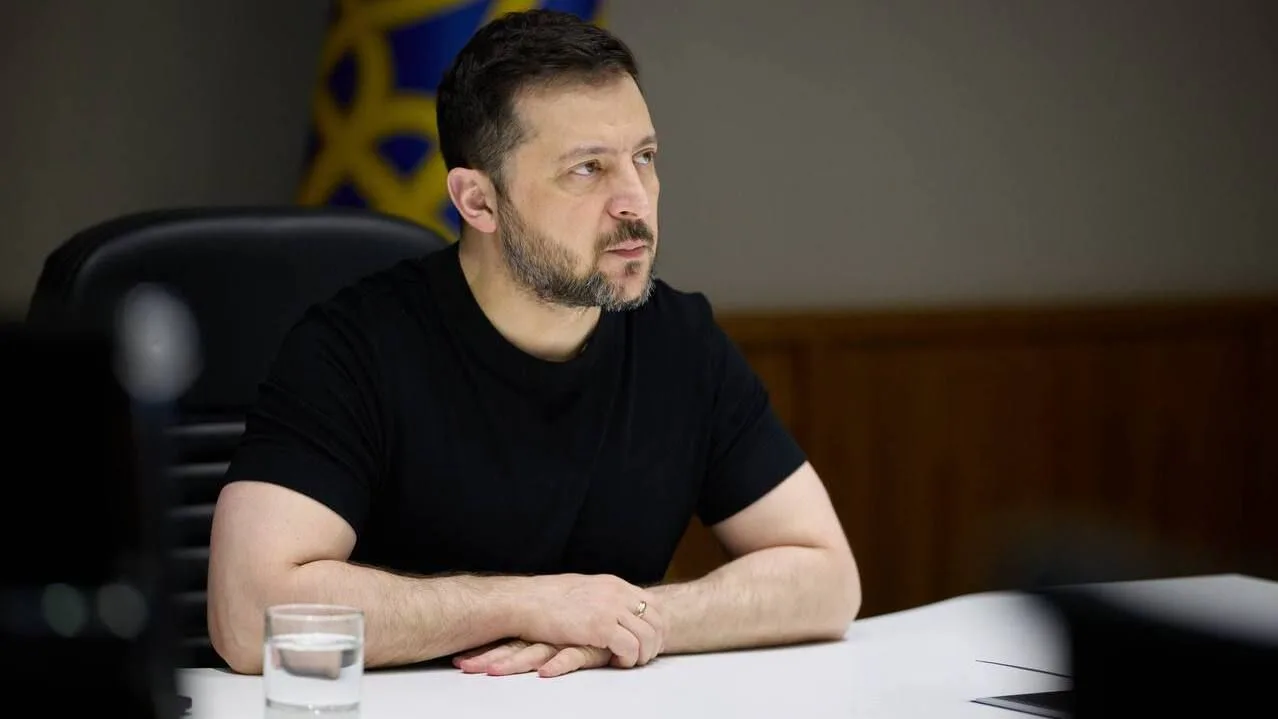
“Over the past 24 hours, heating was restored in another 1,100 apartment buildings. In other words, heat has already been returned to 1,500 of the buildings that were left without heat supply as a result of the enemy's attack on Kyiv's infrastructure on February 12 (2,600 buildings).”
— Vitali Klitschko, mayor of Kyiv (according to UNN)
What this means for residents
First, it is a direct relief for thousands of families: heating is a basic comfort and safety measure in the cold season. Second, such restoration demonstrates the ability of municipal services to respond quickly to widespread network damage.
How it's done and the challenges
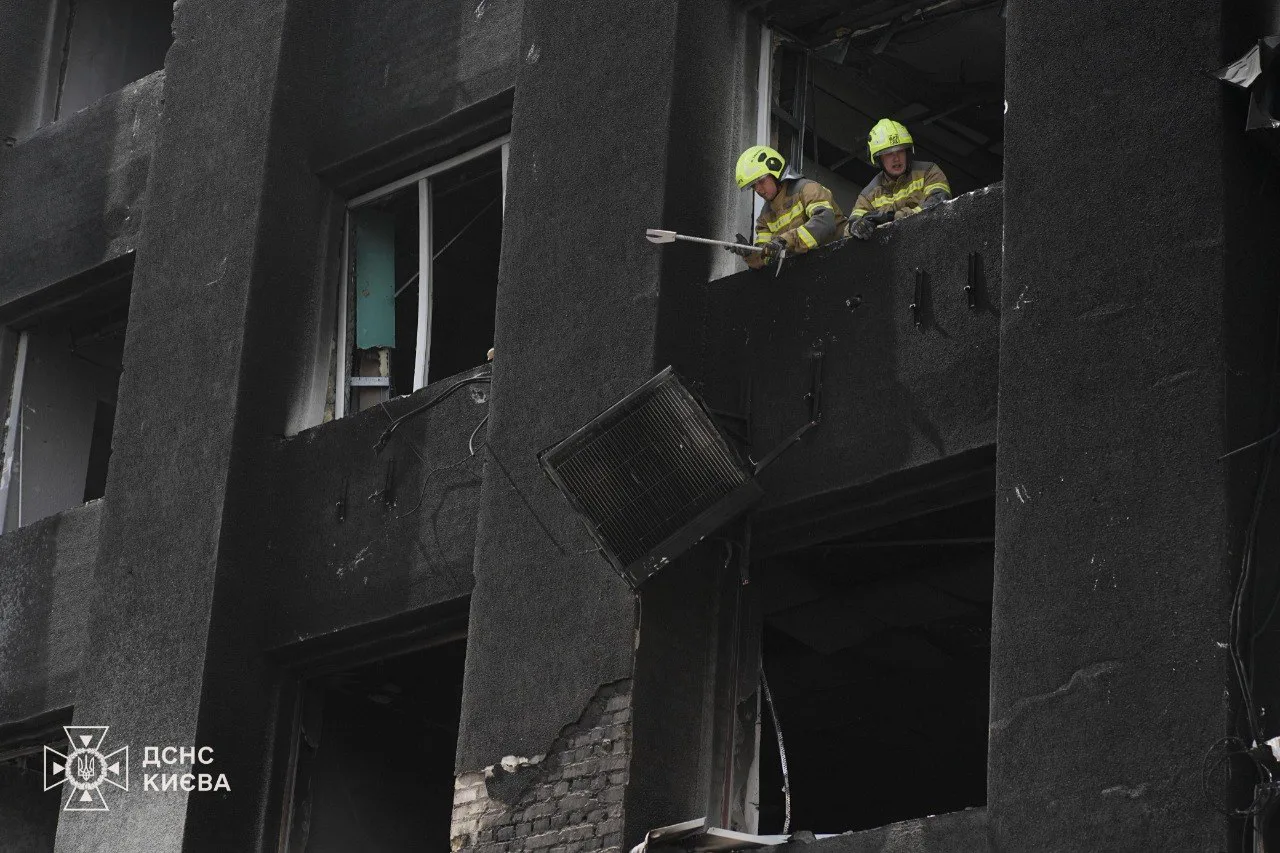
Utility crews are working around the clock, prioritizing according to risks to people (hospitals, kindergartens, schools) and the technical feasibility of reconnection. Some work takes place on complex sections of the network that require approved plans and specialized equipment. According to city authorities, repair teams are already restoring heat supply in certain neighborhoods, notably in Troyeshchyna.
Consequences and next steps
Of the 2,600 affected buildings, about 1,100 remain without connection — a backlog of work that may take time due to the need for materials, equipment and safety measures during shelling. The next stage is stabilizing the network and accelerating the repair of critical sections to minimize the risk of repeat outages.
Context for the reader: restoring heating is not only a technical success but also an indicator of the mobility of resources and coordination between authorities and repair crews. Full restoration of heat will require time, resource support and protection of infrastructure from further attacks.
Question for the future
While work continues, the question is simple: will the networks withstand the load and will there be enough resources to complete restorations without delays? The answer will determine the comfort and safety of thousands of Kyiv residents in the coming weeks.