1,200 apartment buildings in Kyiv still without heating — repeated reconnections after shelling and strain on the energy system
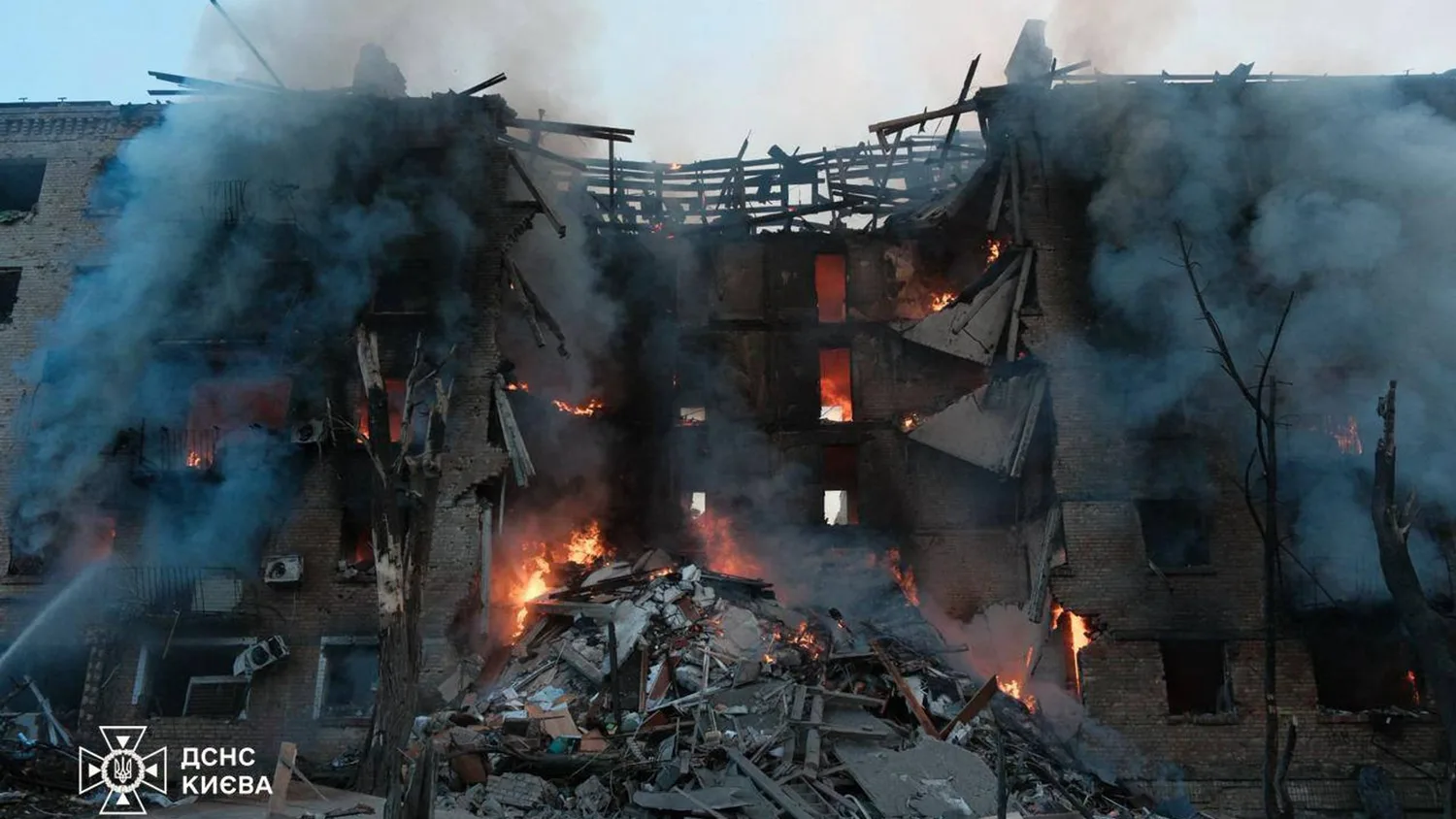
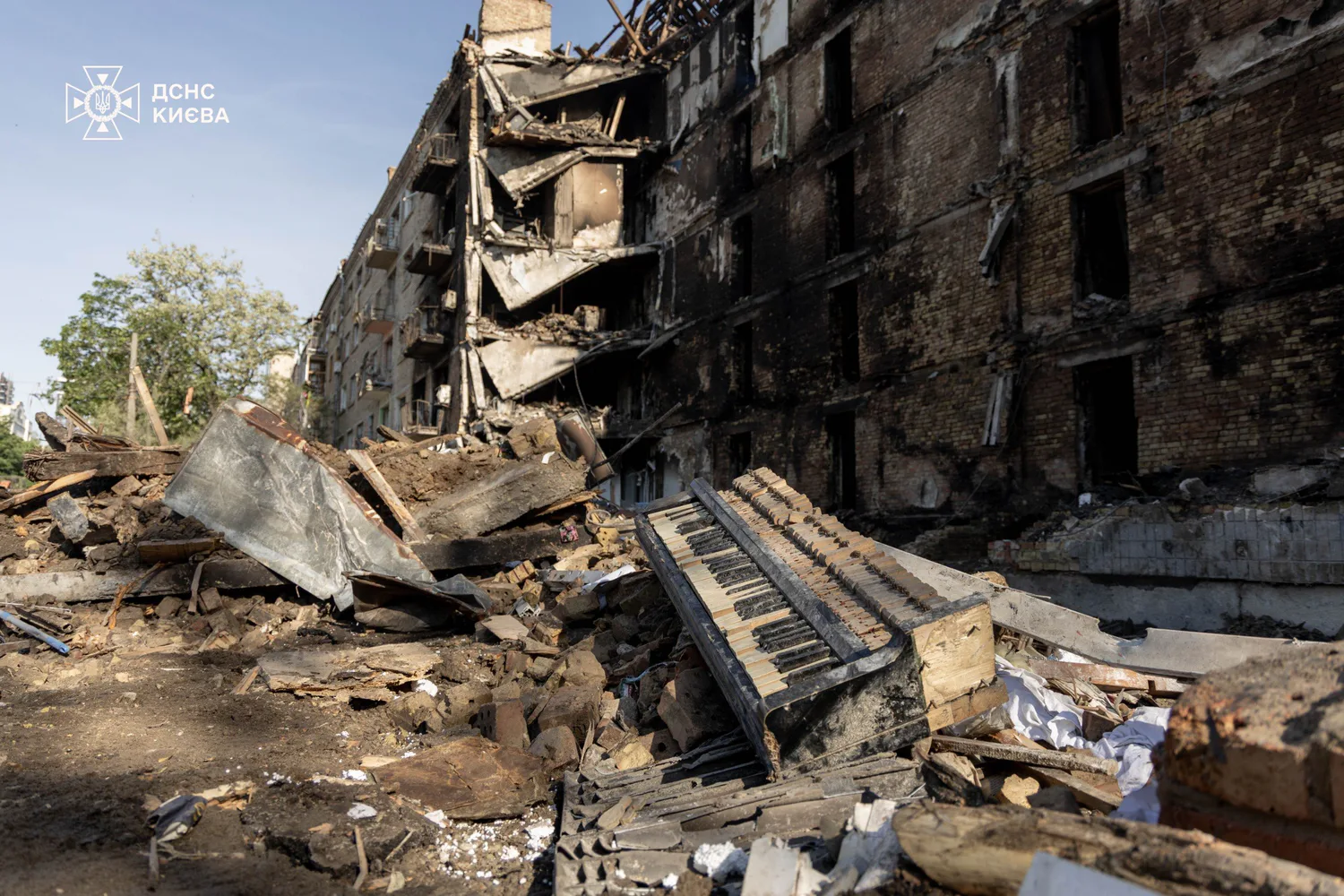
As of 6:00 p.m. on January 23, 1,200 apartment blocks in the capital remain without central heating. Repeated reconnections after the January 9 and 20 attacks are slowing restoration and increasing strain on the energy system — we examine what this means for Kyiv residents.

By Oleg Bazylewicz
January 23, 2026 · 2 min read
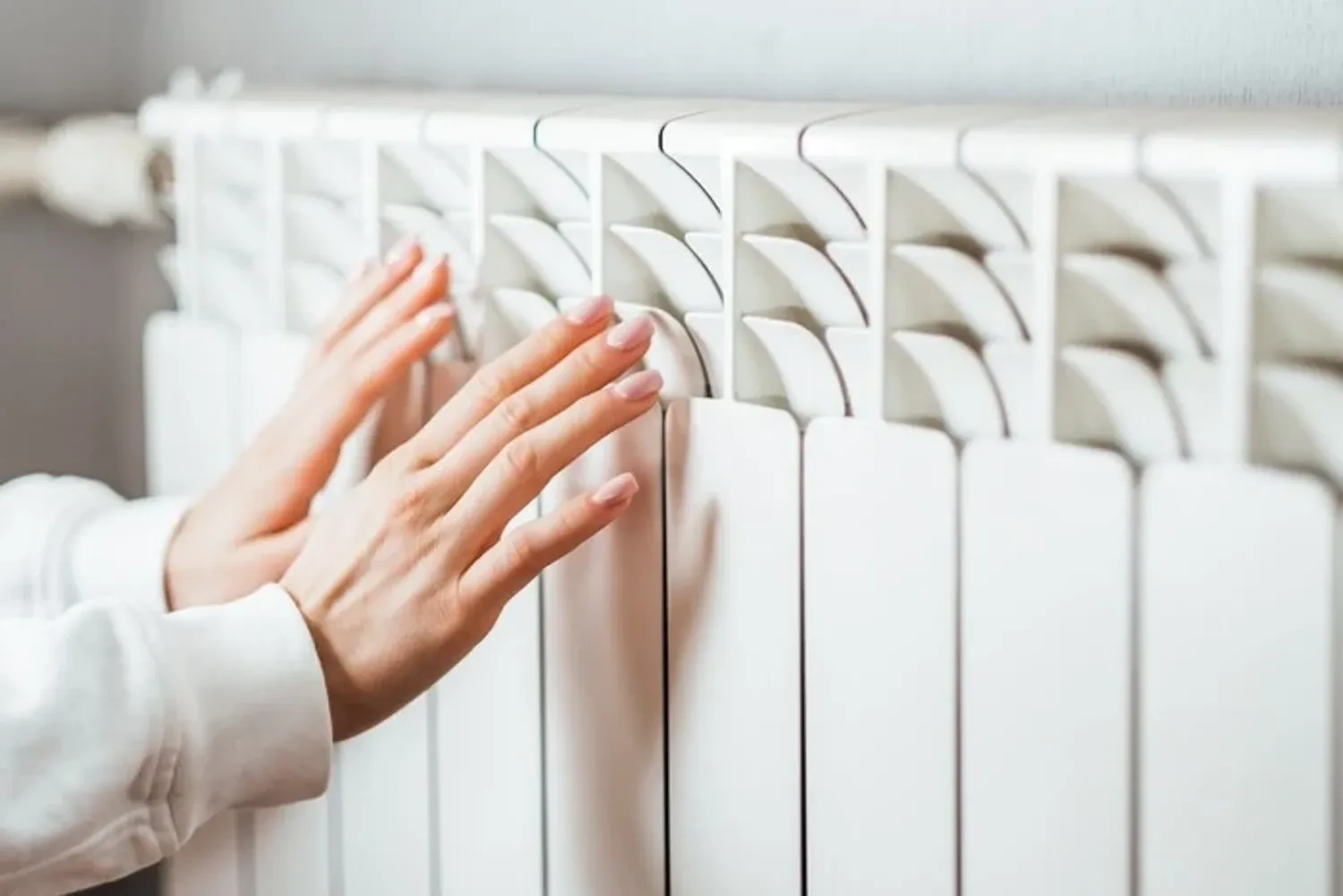
As of 6:00 PM on January 23 — 1,200 apartment buildings without heat
As of 6:00 PM on January 23, 1,200 apartment buildings in Kyiv still do not have central heating. These are buildings that are being reconnected after enemy attacks on January 9 and 20, the mayor of Kyiv said, citing data from municipal services and UNN.
Why it matters
Repeated strikes on energy infrastructure not only destroy specific heating networks — they increase the time needed for diagnostics and repairs, complicate spare-parts logistics, and heighten the risk of emergency outages in neighboring districts. In cold weather, this directly affects residents’ safety and health, as well as the operation of hospitals and social services.
What authorities and energy officials say
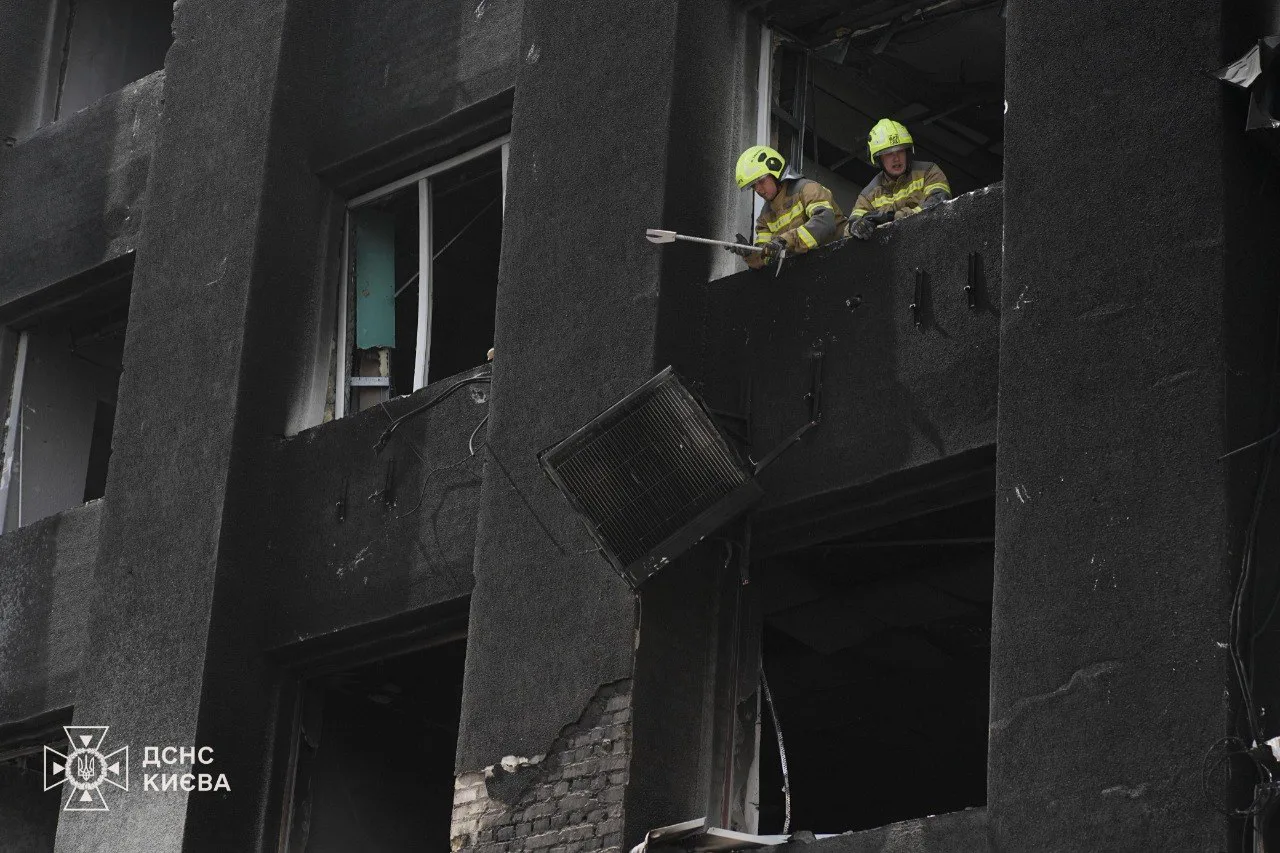
“Municipal and energy crews continue to work to restore heat to all buildings still without heating.”
— Vitali Klitschko, mayor of Kyiv
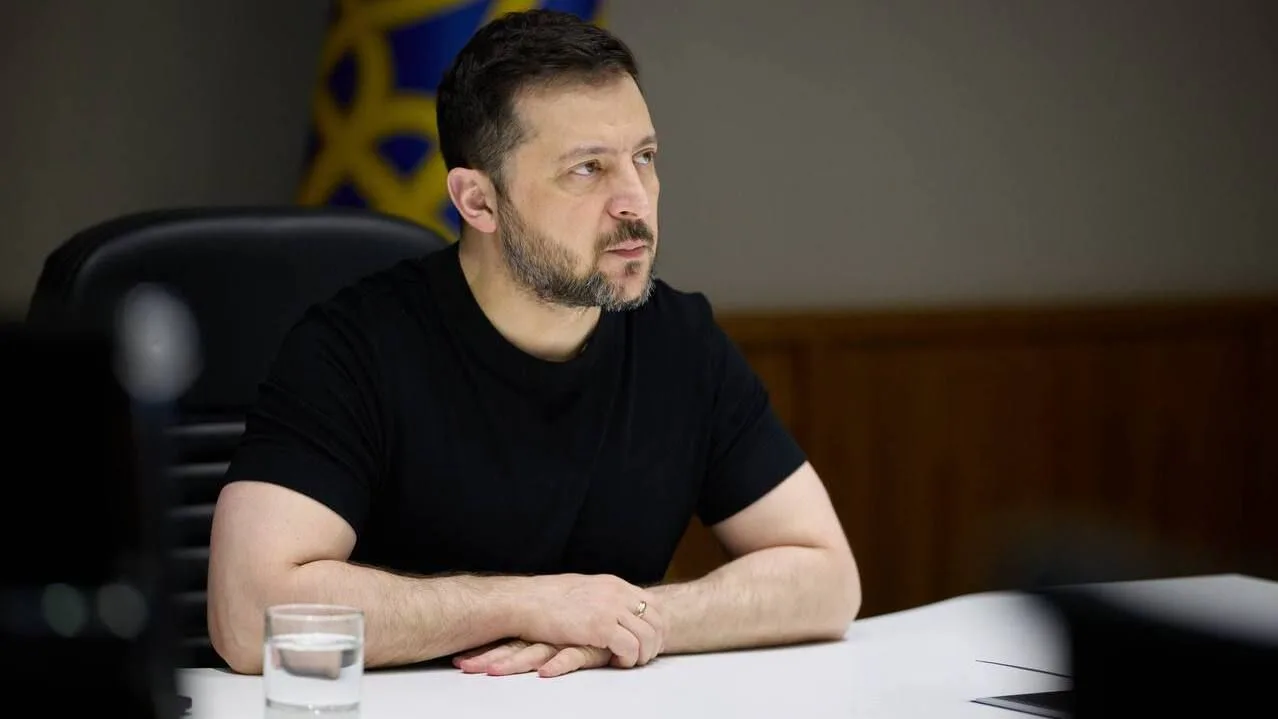
Energy Minister Denys Shmyhal warned that the situation with the power system “is extremely difficult,” especially in Kyiv, the Kyiv region and the Dnipro region. Due to damage to lines and substations, emergency outages are being implemented; energy workers are working around the clock on restoration.
“The situation with the power system is extremely difficult… Emergency outages are being implemented, and energy workers are working around the clock on restoration.”
— Denys Shmyhal, Ukraine’s energy minister
What the services are doing — and what Kyiv residents can do
Municipal crews continue phased reconnections and equipment checks. They prioritize buildings with special needs — hospitals, social protection institutions, and homes with bedridden patients.
Kyiv residents are advised to follow official city channels, stock up on food and medicines for several days, and, if possible, consider temporary relocation to relatives or people who can provide temporary heating. The mayor’s call to stock up and evacuate is not panic, but a practical step in case of prolonged outages.
Brief outlook
Restoring heat supply to all buildings will depend on the extent of the damage, weather conditions, and the availability of repair materials. If attacks are repeated, recovery time may be extended. It is now important that technical reports and repair statements be turned into concrete reconnection schedules — this is a matter of life and safety for thousands of Kyiv residents.
Sources: reports of the Kyiv City Council, statements by Vitali Klitschko and Denys Shmyhal, materials from UNN.