307 monuments in 2025: how the war is destroying Ukraine’s cultural memory — and what’s next
The Ministry of Culture has released detailed figures on destruction for 2025 and overall since the start of the full-scale invasion. This is not merely statistics — it is the loss of public spaces, libraries, and museums, without which the country's recovery will be more difficult.

By Tetiana Suchkova-Ladik
January 6, 2026 · 2 min read
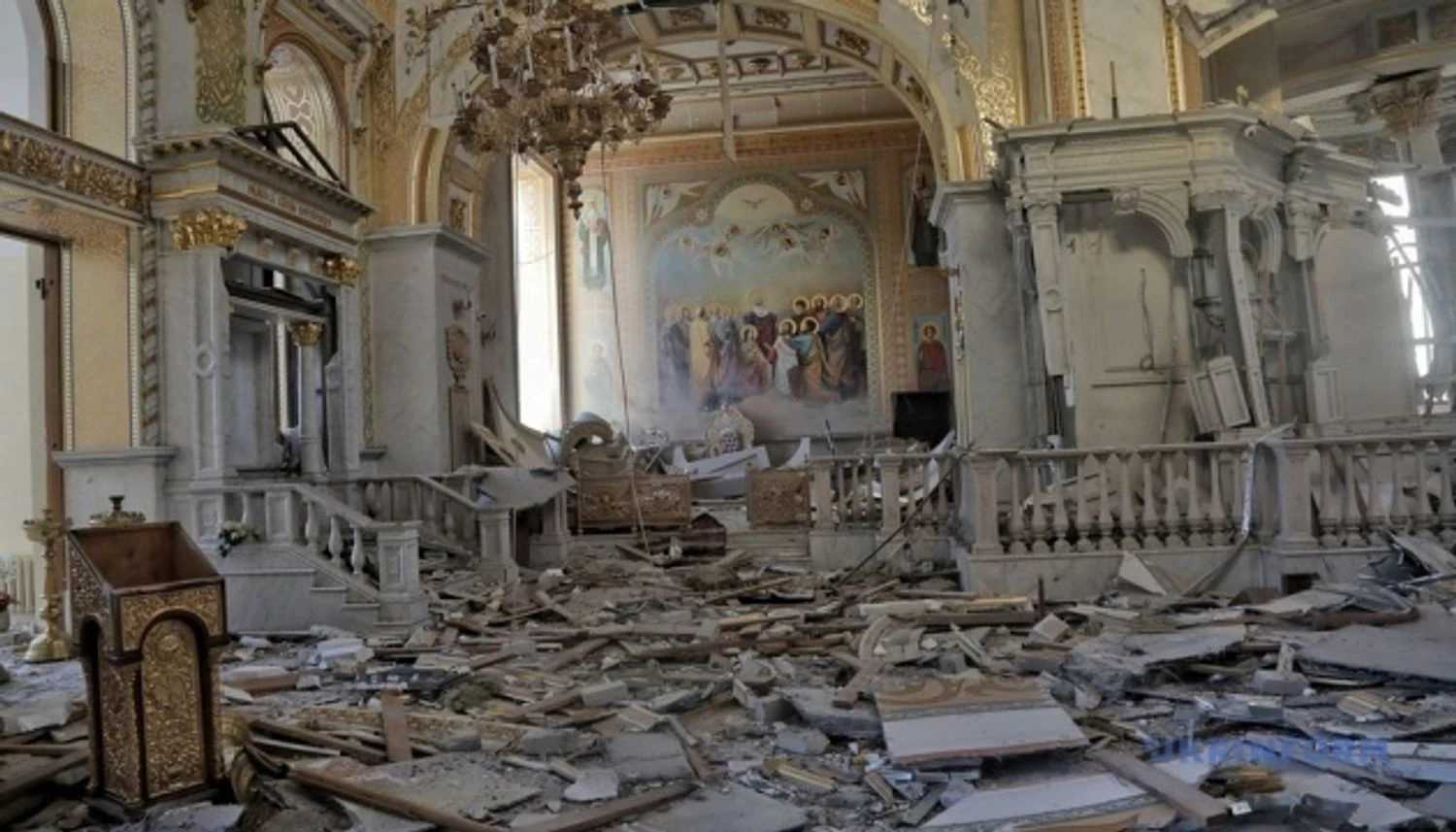
Quiet losses and clear figures
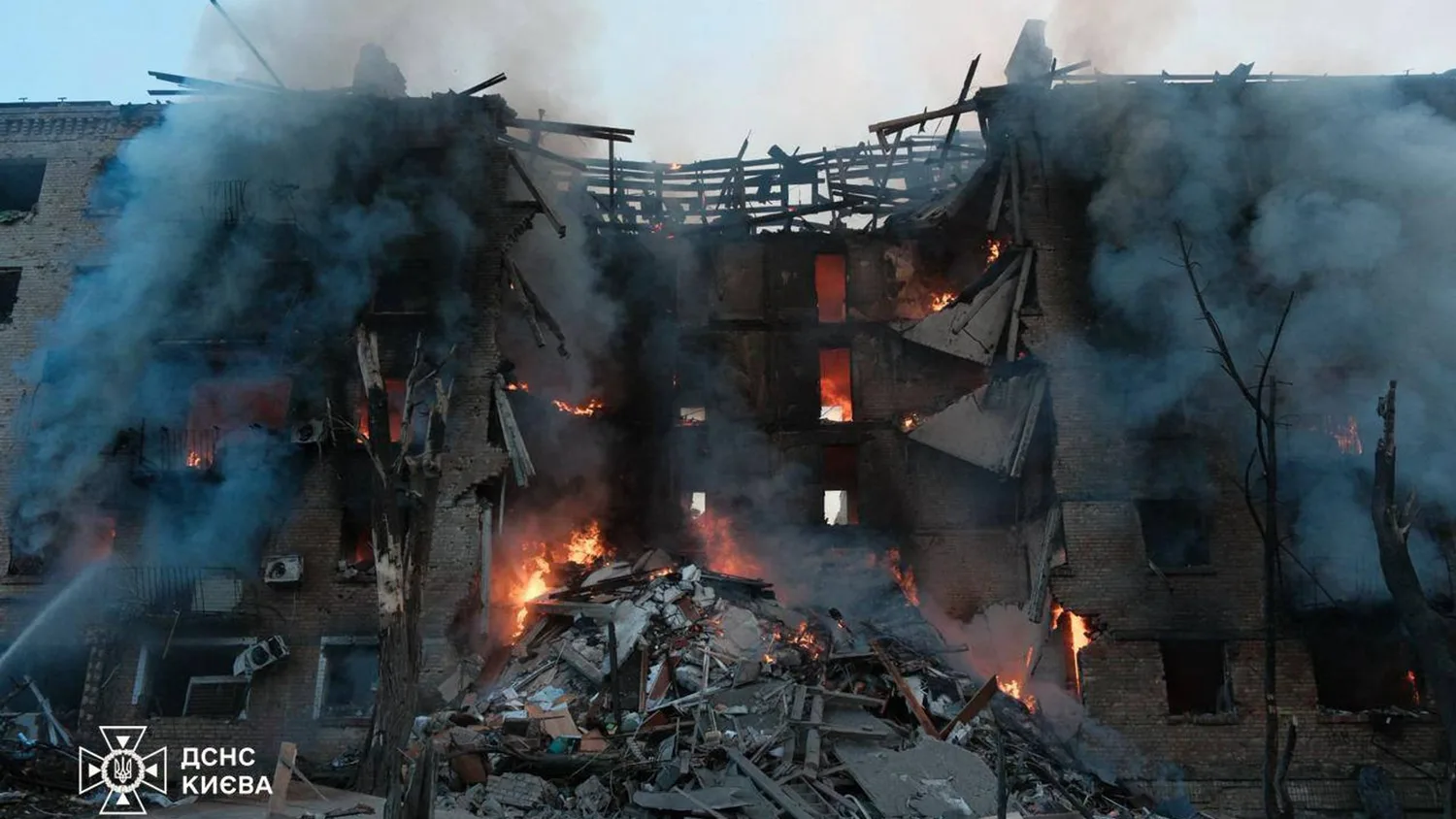
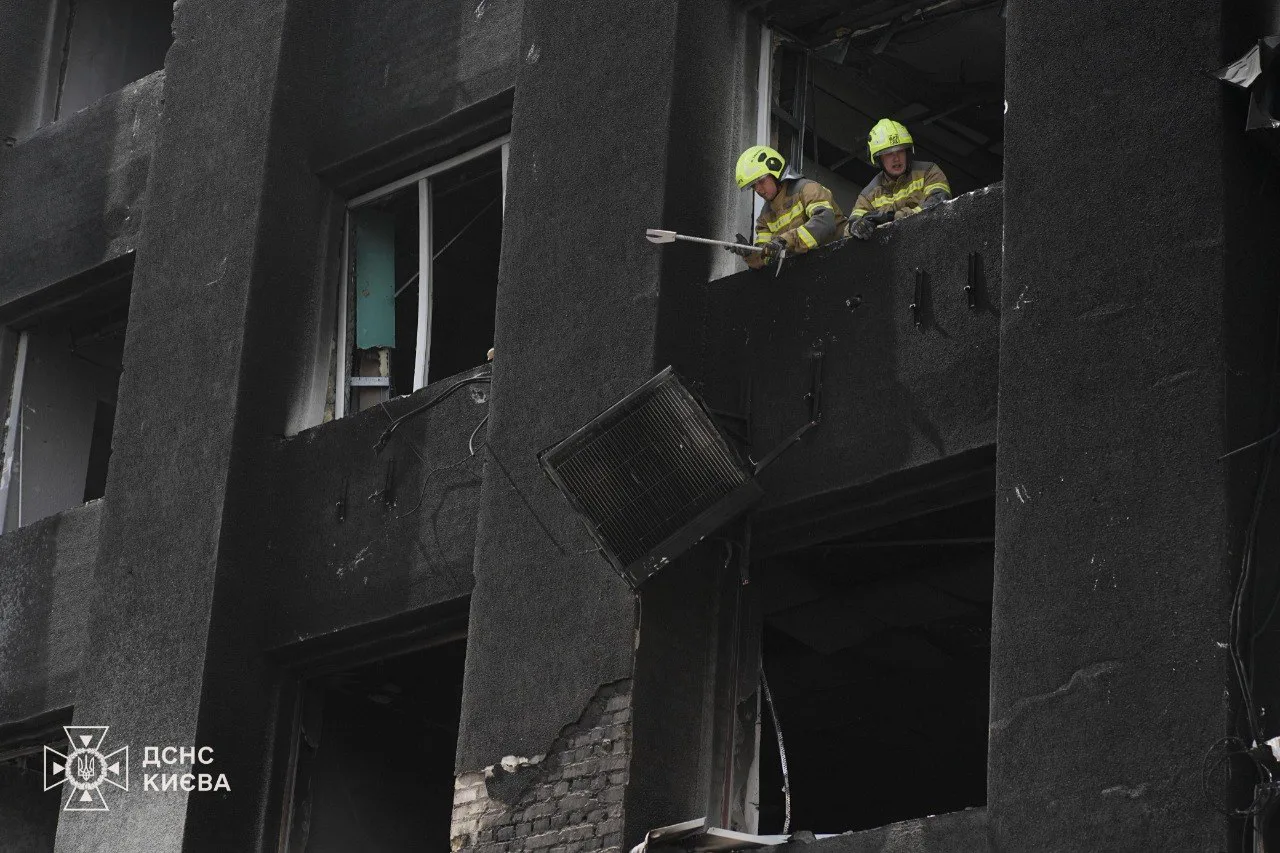
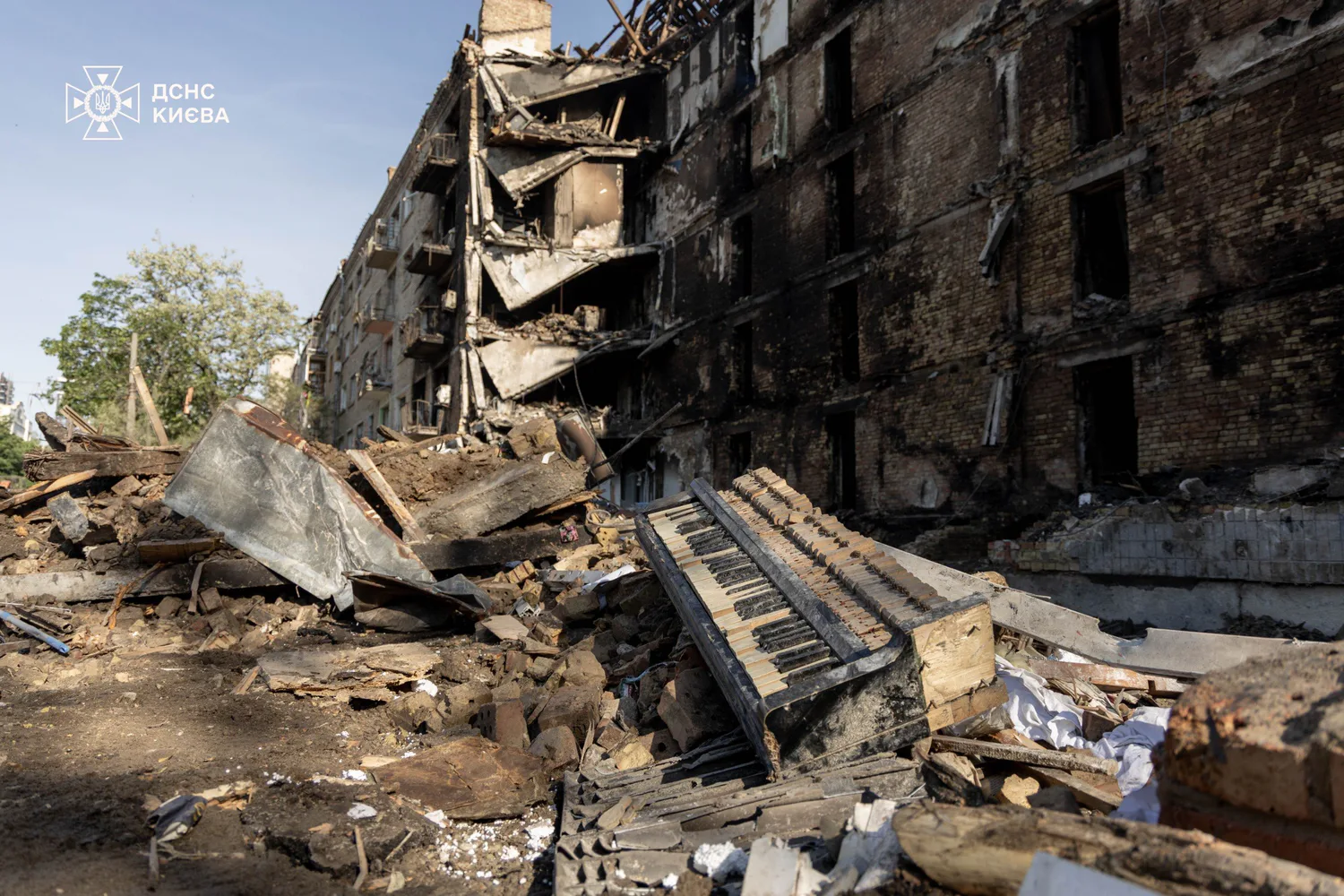
In 2025 the Ministry of Culture recorded that as a result of Russian aggression 307 cultural heritage sites and 261 cultural infrastructure facilities were destroyed or damaged. Overall, since the start of the full-scale invasion 1,640 heritage sites and 2,446 cultural infrastructure facilities have been damaged. These numbers are not abstract statistics: they are art schools, clubs, libraries and museums that shape local and national identity.
"In 2025, as a result of Russian aggression in Ukraine, 307 cultural heritage sites and 261 cultural infrastructure facilities were destroyed or damaged. Overall, since the start of the full-scale invasion 1,640 cultural heritage sites and 2,446 cultural infrastructure facilities have suffered damage."
— Ministry of Culture of Ukraine
Where losses are greatest
The most damage has been recorded in Kharkiv region (344 sites), Kherson (297), Odesa (182), Donetsk (175) and in Kyiv and Kyiv region (163). It is also noted that a significant part of Luhansk and parts of Zaporizhzhia, Donetsk and Kherson regions remain under temporary occupation — this complicates accurate accounting and, accordingly, planning for restoration.
What infrastructure was affected
Among damaged cultural infrastructure facilities the hardest hit were: club venues — 1,193, libraries — 854, art education institutions — 188, museums and galleries — 136, as well as theaters and philharmonics (50). In addition, parks, nature reserves, a film studio in Kyiv and other sites important to community life and the cultural economy were affected.
International reaction
On 4 December UNESCO's committee supported Ukraine's initiative and decided to add another 19 Ukrainian cultural heritage sites to the International List of Cultural Property under Enhanced Protection. This is an important signal: the international community has recognized the risks and provided tools to minimize them, but protection requires access and resources for practical implementation.
"The UNESCO Committee for the Protection of Cultural Property in the Event of Armed Conflict supported Ukraine's initiative and decided to add another 19 Ukrainian cultural heritage sites to the International List of Cultural Property under Enhanced Protection."
— UNESCO Committee
Why this matters to everyone
The destruction of cultural infrastructure affects more than the aesthetics of the urban environment: it is the loss of educational opportunities, economic mechanisms (tourism, creative industries) and social cohesion. Restoration requires not only money but also security, access to territories, professional personnel and international coordination.
Heritage preservation experts emphasize: UNESCO's decision is a step forward, but for it to have an effect, rapid inspections, long-term funding and clear local restoration plans are needed. The temporary occupation of a significant portion of territories makes these tasks even more difficult.
Now the ball is in the partners' court: will international decisions and statements be turned into practical assistance — funding, expertise and access for restoration — on which the speed and dignity of our culture's return to life will depend?