March 6 — Kyiv's air defenses respond to a threat: drones head toward the capital
On the evening of March 6, explosions were heard in Kyiv — a sign that air defense systems are operating. We explain what happened, who is reporting it, and how to act going forward.

By Tetiana Suchkova-Ladik
March 6, 2026 · 2 min read

What happened
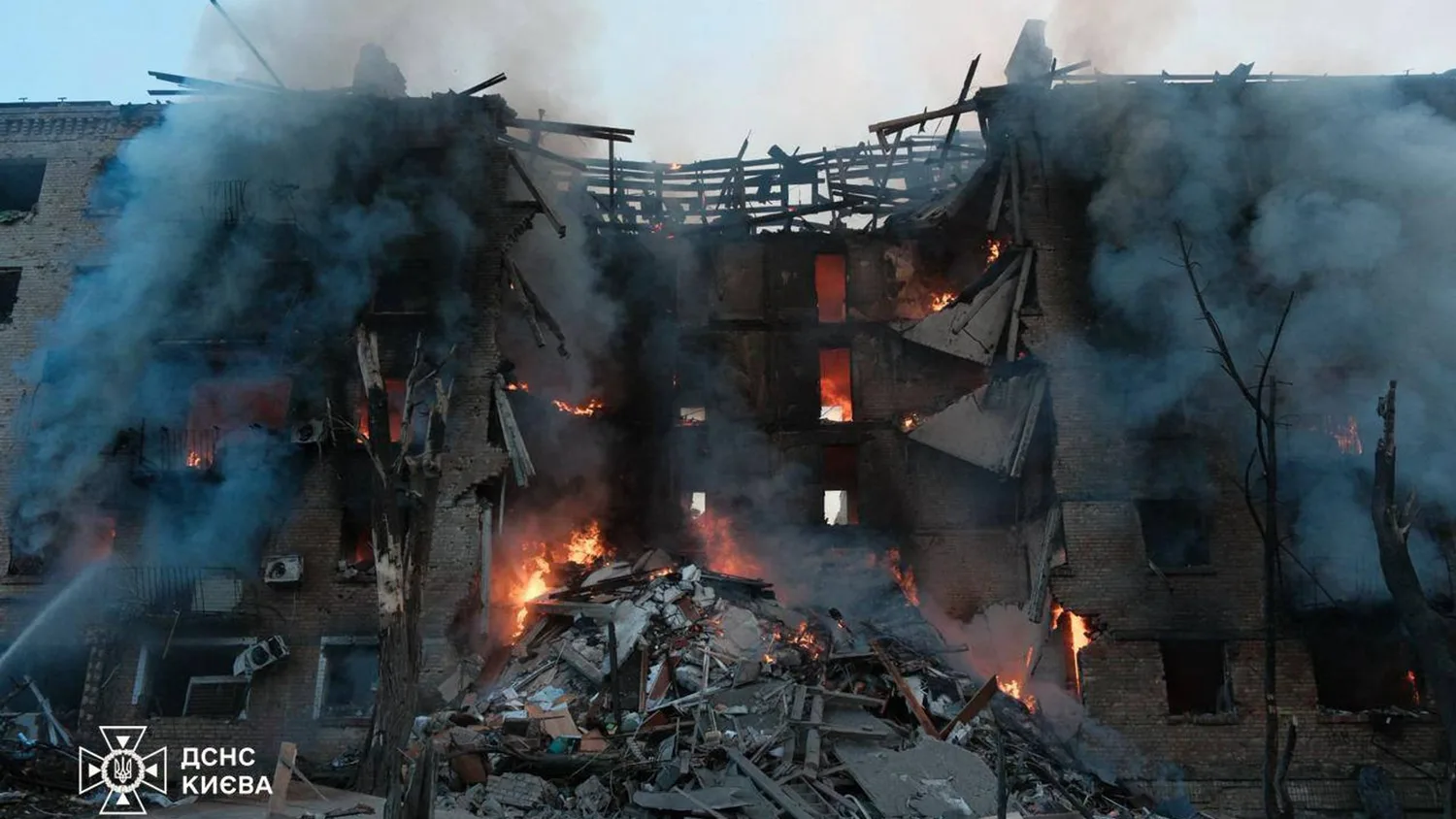
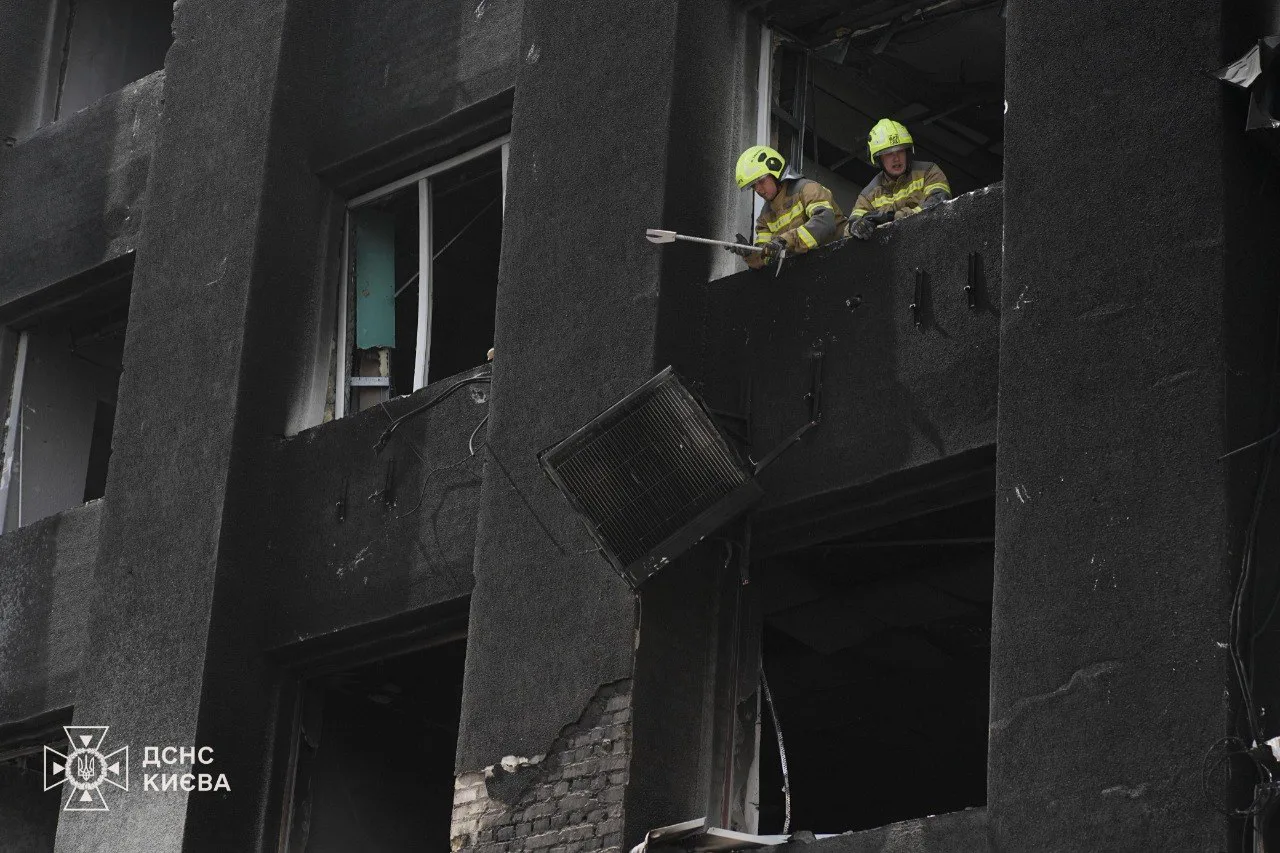
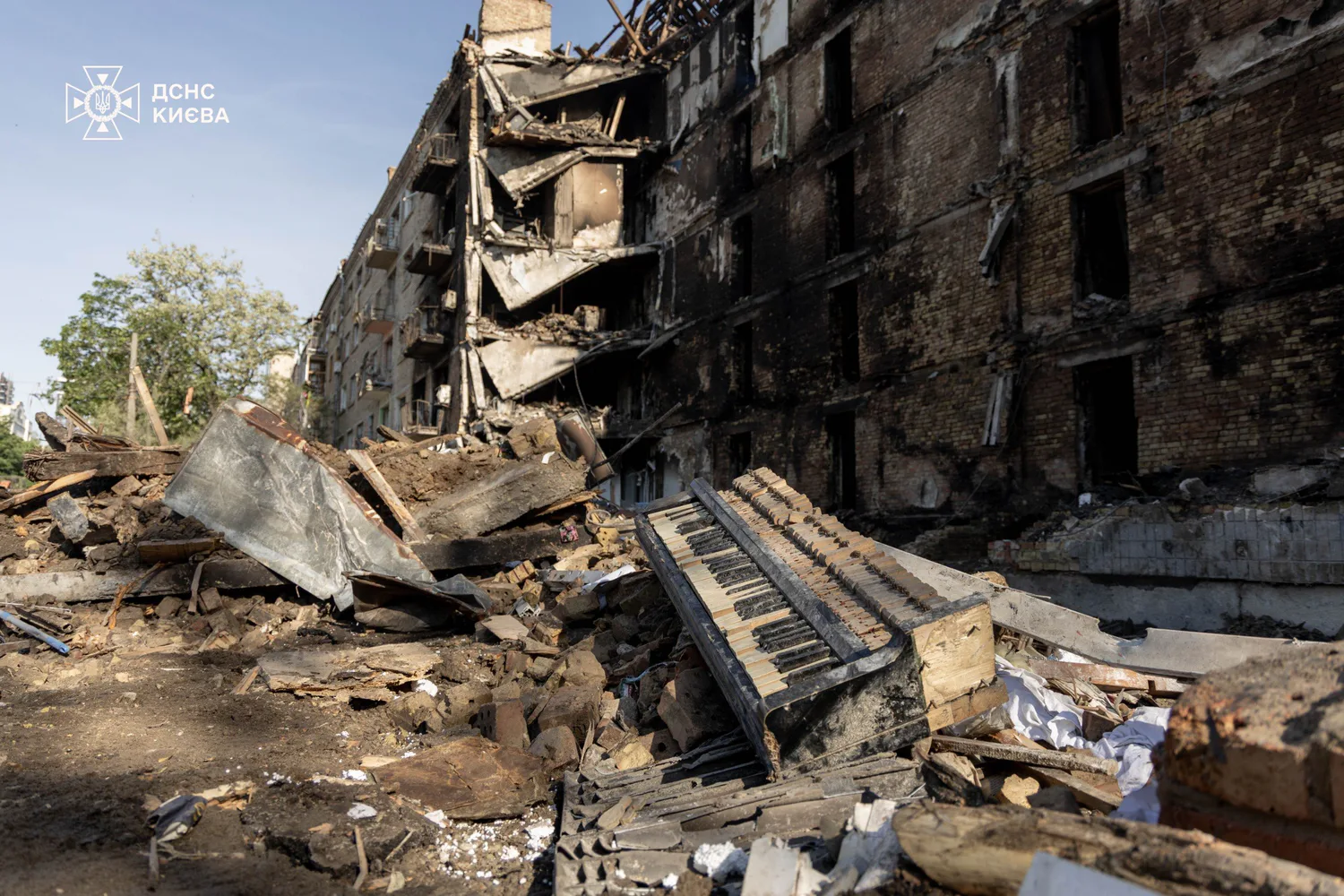
Explosions are sounding in Kyiv: city authorities and security services report the operation of air defense systems. According to UNN citing the Kyiv City State Administration and the Air Forces of the Armed Forces of Ukraine, enemy drones are being detected moving toward the capital.
Air defense forces are working to eliminate the threat in the sky over the capital. Remain in shelters until the official all-clear signal.
— Kyiv City State Administration
Why it matters
Every explosion is not just a sound but an indicator of a defensive system at work: air defenses are intercepting targets to minimize risk to civilian infrastructure and people. Air threats recently have more often been carried out by mass groups of drones, whose aim is to simultaneously overload detection and strike systems.
According to operational reports from the Defense Forces, reportedly 950 occupiers and more than 1,600 unmanned aerial vehicles were eliminated in the past day. These are figures from the operational summary as of 06.03.26 and their interpretation requires further verification and context — but they illustrate the intensity of the confrontation on various fronts.
What it means for Kyiv residents
First: follow official signals and the instructions of emergency services. Shelters remain the most reliable way to reduce the risk to life during air attacks.
Second: do not spread unverified videos and rumors — this complicates the work of services and can create unnecessary strain on communications.
Brief analysis and forecast
Drone attacks are part of a tactic of pressure and attritional exhaustion of defense systems. Experts at Defense Express and military analysts note: if the enemy maintains the tempo of mass strikes, stabilizing the situation will require strengthening air defenses, effective coordination of intelligence, and operational logistics.
While our systems and services are operating — the main task of the civilian population remains to stay vigilant and follow instructions. Whether current resources are sufficient for long-term resistance is a question that depends on the speed of deliveries, modernization, and personnel training.
We are monitoring updates from the Kyiv City State Administration and the Air Forces and will update the information when new confirmed data appear.