Power restored to 748,000 families — Kyiv’s left bank still under emergency outages
DTEK reports that critical infrastructure and the majority of households in Kyiv have been restored: <strong>748,000</strong> families have power again. However, due to overloading of damaged networks, the city's left bank remains subject to emergency outages — what this means for residents and when to expect stabilization.

By Tetiana Suchkova-Ladik
December 28, 2025 · 2 min read
What happened
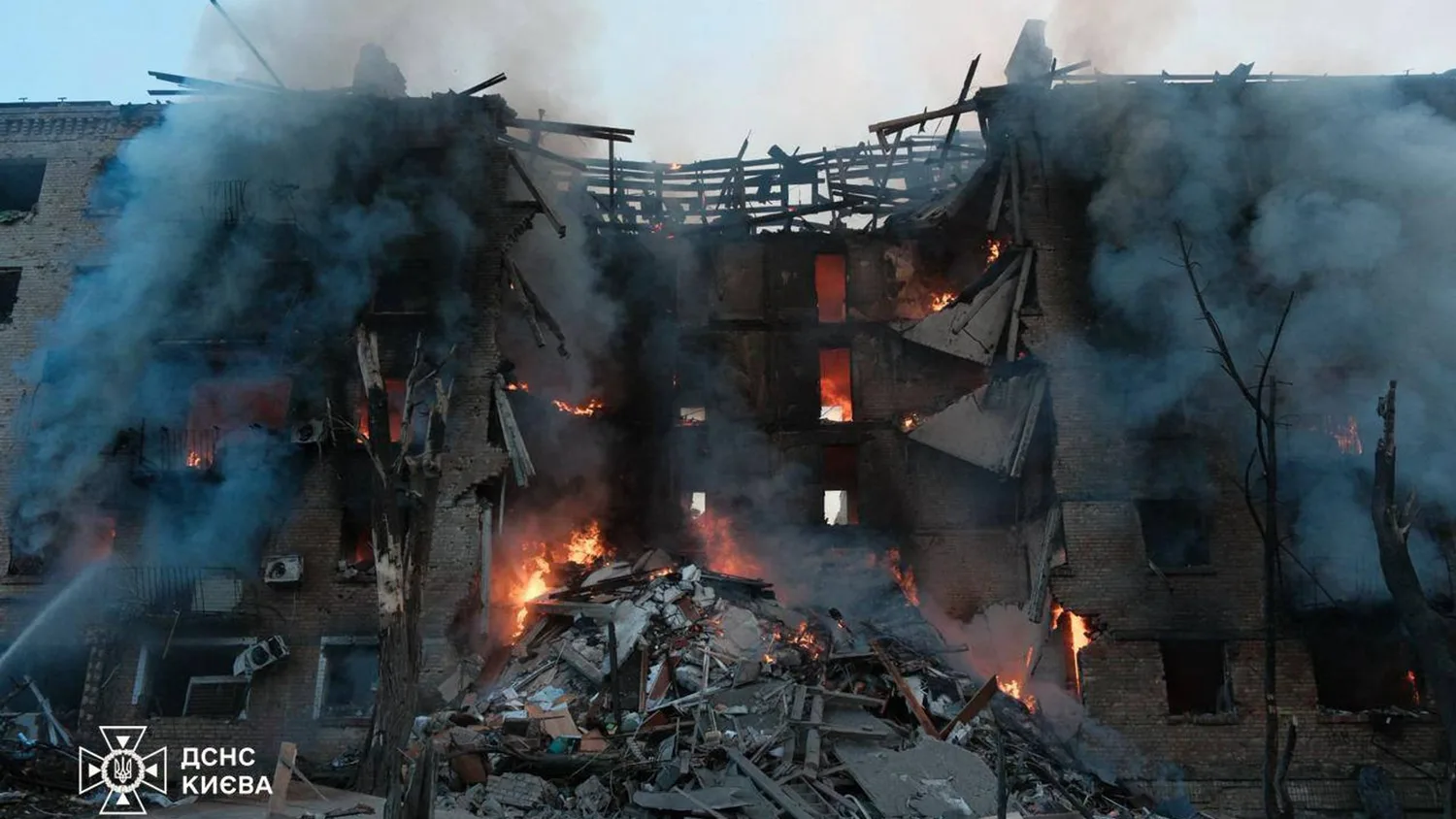
After a massive Russian attack, energy crews in Kyiv worked around the clock. According to energy company DTEK, critical infrastructure and most households were re-energized — currently 748,000 families have power. At the peak, the number of households left without electricity approached 750,000.
“We managed to restore power to critical infrastructure and all homes in the capital after yesterday’s attack.”
— DTEK, press service
Why the left bank is in a worse state
According to the company, left-bank districts are still feeling the effects due to overloaded damaged networks. These are not simply scheduled outages — crews are working on emergency line breaks and switching systems under high load. Therefore, emergency disconnections are still being applied there, while the right bank has returned to planned outage schedules.
Rescuers’ work and aid to the affected
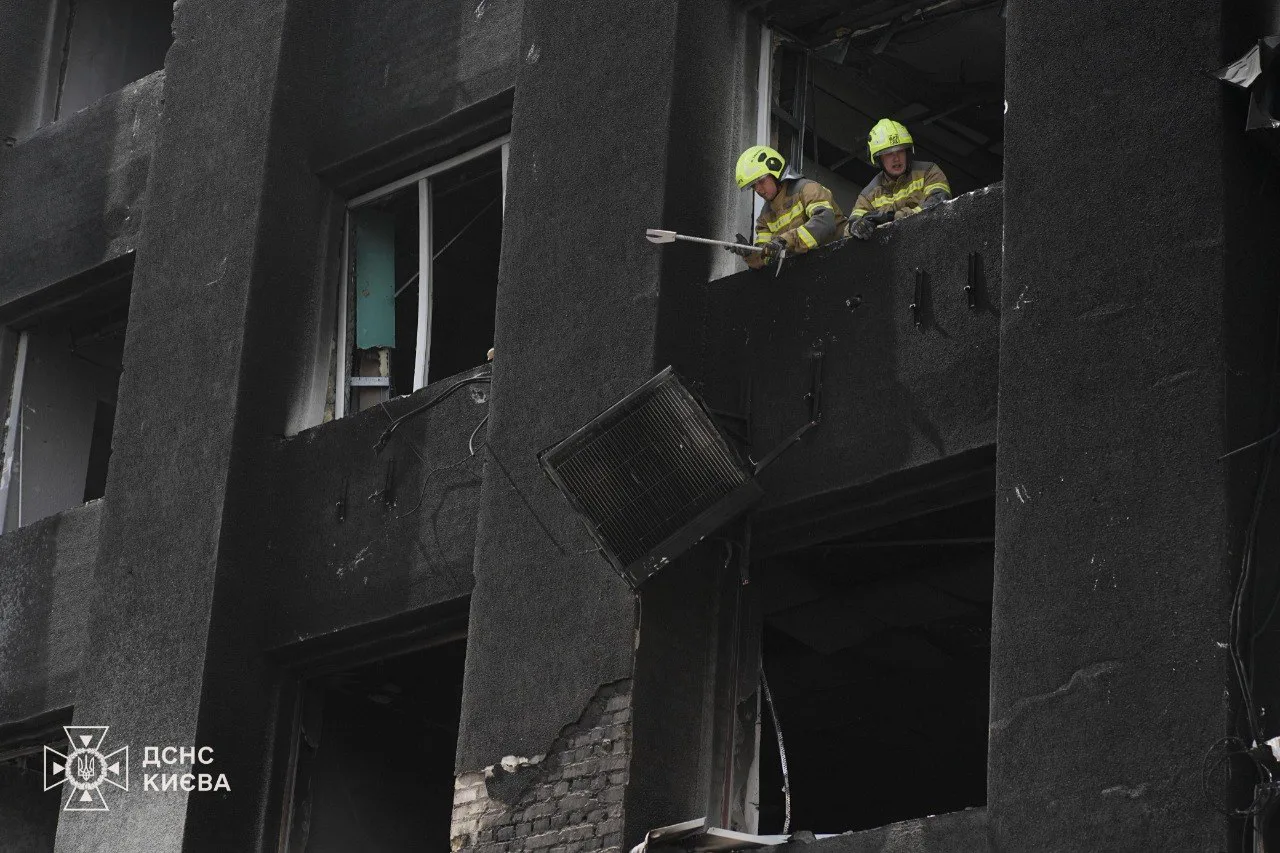
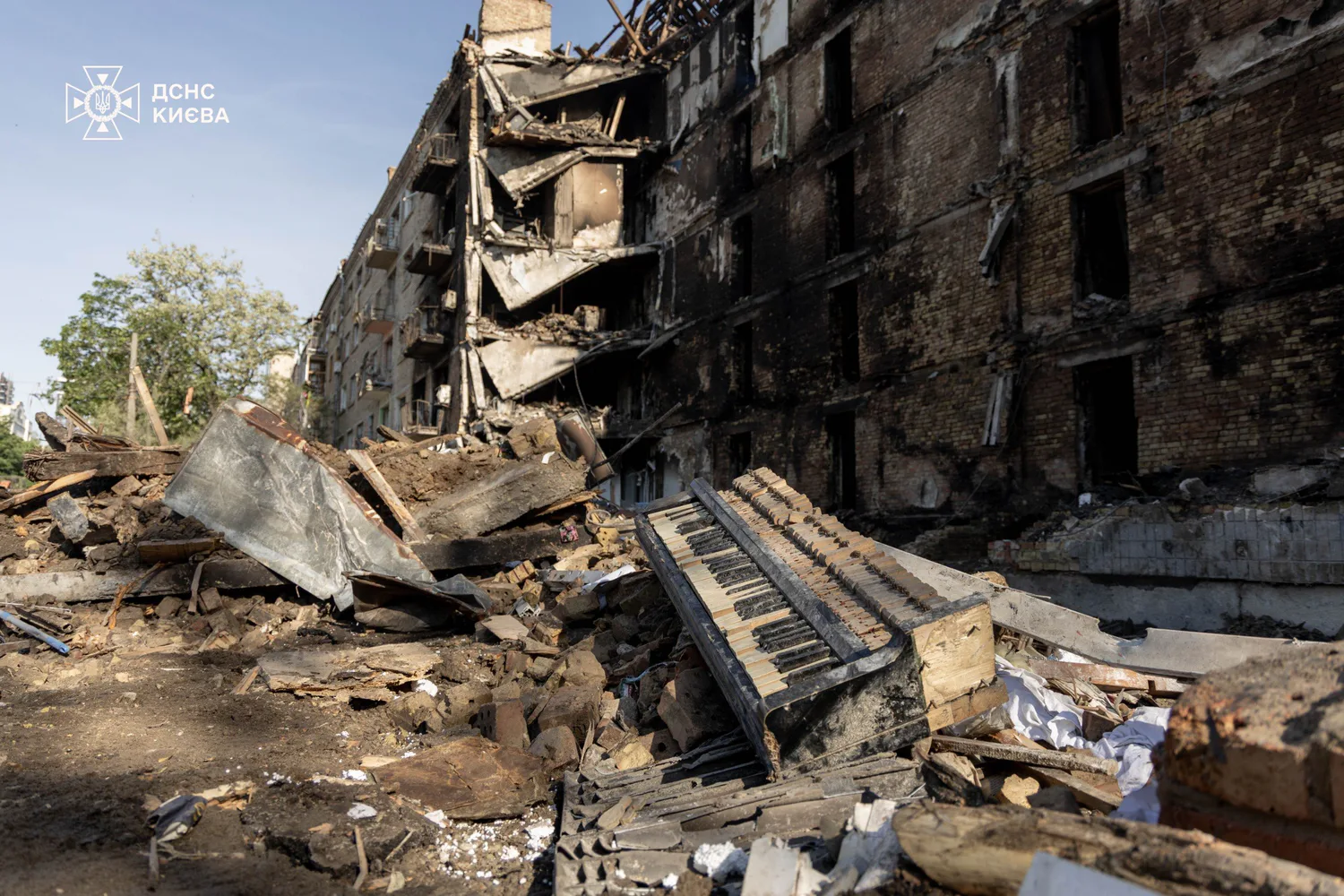
The State Emergency Service reports that rescue and recovery operations at all locations have been completed: debris has been cleared, dangerous structures dismantled, damaged buildings inspected, and site safety secured. Tents with portable heaters were set up at night to warm residents on site.
“Rescue and recovery operations at all locations have been completed. Units of the State Emergency Service carried out debris clearance, dismantling of dangerous structures, inspections of damaged buildings and ensured the safety of the areas.”
— State Emergency Service of Ukraine, official statement
As a result of the attack in Kyiv, 1 person was killed, 32 people were injured, including 2 children.
Context and consequences for residents
The technical reason for continued outages on the left bank is a combination of damaged trunk lines and increased load on the network sections left in operation. Energy workers are prioritizing power for critical facilities — hospitals, heating plants, municipal service points — and gradually expanding restoration in residential areas.
For residents this means: follow official announcements from DTEK and city authorities, adhere to temporary outage schedules, prepare backup sources of heat and lighting, and contact the appropriate services in case of threats to life or safety.
Brief conclusion
Restoring power for most Kyiv residents is the result of coordinated work by energy crews and rescuers. However, full restoration of the networks on the left bank will take time due to the complexity of the damage and system loads. The next 24–48 hours will be telling: whether it will be possible to stabilize the lines without new load peaks and additional attacks.